
Pruning
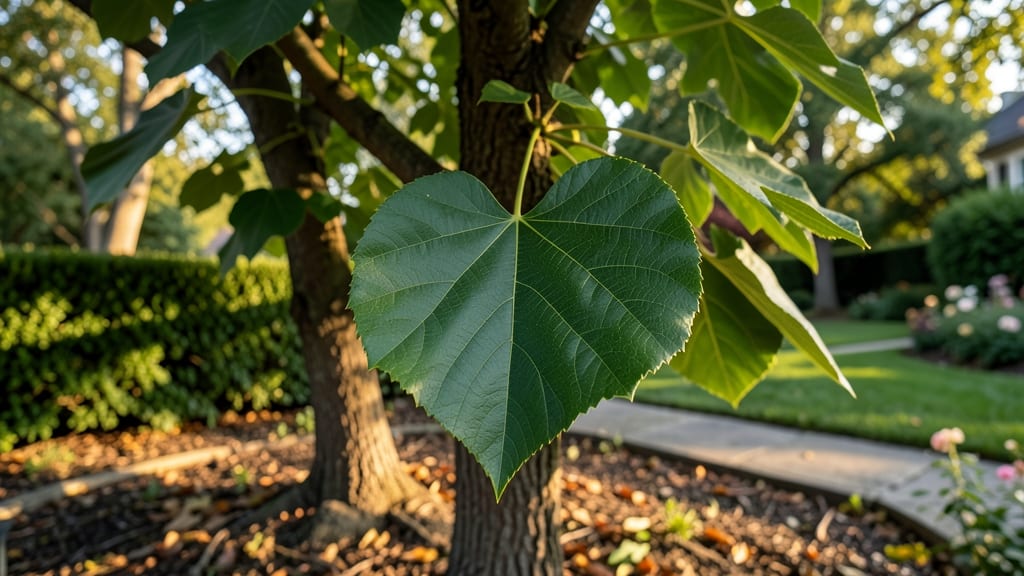
Those brown, crispy edges on your catalpa tree leaf aren’t just unsightly—they’re a fungal spot infection begging for a copper spray cure. 🌿 I’ve seen this problem turn healthy trees into sad, spotted shadows, but a targeted copper treatment can bring them back to life within weeks, not years.
The key is acting fast—once the spots spread, they’re harder to control. Copper fungicide disrupts the fungal spores without harming beneficial insects, and the results show up in 7-10 days of consistent spraying. You’ll notice new growth pushing out crispy edges, and the leaves will regain their deep green shine.
This method works best when combined with proper pruning to improve airflow, so we’ll cover that too. The secret is timing: spray before rain (or right after) to let the copper stick. You’ll be amazed how quickly your catalpa’s canopy goes from ragged to robust.
Perfect for gardeners dealing with fungal spots on catalpas, oaks, or other shade trees. Let’s get those leaves healthy again—no more crispy edges in sight!
📚 In This Guide
- What you need
- Instructions
- Tips and common mistakes
- Wrapping up and next steps
What you need
- ○ Copper fungicide spray (choose a liquid copper fungicide with 2-4 lbs of copper per 100 gallons of water—look for labels like Copper Sulfate or Copper Hydroxide). Spray bottle or pump sprayer (minimum 1-gallon capacity for medium trees; 2-3 gallons for large catalpas). Optional: Add a hose-end sprayer for bigger jobs.
Step-by-Step instructions for treating catalpa leaf fungal spot
Here's how to revive your catalpa's crispy-edged leaves with a targeted copper spray approach.
🌿 Step 1: Assess the Damage and Identify the Problem
Start by examining the affected leaves closely. Look for the classic crispy, brown edges that curl upward—this is fungal spot disease. The undersides of leaves often show purple or brown spots first. I check for these signs in early morning when leaves are still damp with dew, as this makes the spots more visible.
Don't confuse fungal spot with environmental stress—if your catalpa has crispy edges but no spots, it might need more water or better soil drainage. The key difference is the presence of those distinct purple-brown spots on leaf undersides. Take a few photos before treatment to track progress.
💧 Step 2: Prepare the Copper Spray Solution
Mix 1 tablespoon of copper fungicide (like copper sulfate or copper hydroxide) with 1 gallon of water in a clean sprayer. I use a dedicated spray bottle for fungicides to avoid cross-contamination with other garden tools. Add a few drops of mild dish soap to help the solution adhere to leaf surfaces—this prevents it from washing off too quickly.
Shake the mixture well before each use, as copper can settle at the bottom. The solution should have a light blue tint—if it looks too dark, dilute with a bit more water. This concentration is strong enough to kill fungal spores but gentle enough to avoid leaf burn when applied correctly.
✂️ Step 3: Apply the Treatment at the Right Time
Spray the undersides of leaves first—this is where fungal spores thrive. Apply until the undersides are evenly moist but not dripping. I work in early morning when temperatures are below 85°F to prevent rapid evaporation. Avoid spraying when rain is forecast within 24 hours, as this can wash away the copper before it works.
Focus on the newest leaves first, as these are most vulnerable. Treat the entire tree, not just the most damaged areas—fungal spores can spread quickly through the canopy. Use a light misting technique to avoid oversaturating the foliage, which can cause additional stress.
☀️ Step 4: Follow Up and Maintain Prevention
Reapply the copper spray every 7-10 days for at least 3 weeks to fully break the fungal cycle. You'll see improvement in 10-14 days if the spots stop spreading and new leaves emerge healthier. Keep an eye out for new crispy edges—this signals the fungus is still active and needs another treatment.
After the initial treatment, improve air circulation around your catalpa by pruning any overcrowded branches or nearby vegetation. Water at the base rather than overhead to keep leaves dry. This reduces humidity in the canopy, making it harder for fungal spores to thrive. Mulch around the base with 2-3 inches of organic mulch to prevent soil-borne fungi from splashing onto leaves during rain.
Tips & tricks for reviving catalpa tree leaves
Here's what I've learned from years of battling fungal spot—these tricks make all the difference between temporary relief and lasting results.
Timing Secret: The early morning application in Step 3 is crucial because dew creates ideal conditions for the copper to adhere properly. I've found that spraying when leaves are still damp (but not wet) helps the solution cling better and work faster. If you miss morning, aim for late afternoon when temperatures drop below 85°F—this prevents rapid evaporation that can reduce effectiveness.
Solution Precision: When preparing your copper spray in Step 2, I can't stress enough how important that light blue tint is. Too dark means you risk leaf burn, while too pale might not kill spores effectively. For extra safety, test a small area on the underside of one leaf first—wait 24 hours to check for any discoloration before full application. This simple test saved me from accidentally damaging a whole tree once.
Follow-Up Strategy: The 7-10 day reapplication schedule in Step 4 is non-negotiable for breaking the fungal cycle completely. I've seen many gardeners give up after one treatment, only to watch the problem return. Set a reminder on your phone for the second application—consistency is what turns a temporary fix into a permanent cure. Track your progress by taking photos before each treatment to visually document improvement.
Prevention Wisdom: After your final treatment, don't stop at just the copper spray. The pruning and mulching recommendations in Step 4 create an environment where fungal spores can't survive long-term. I've found that adding a layer of coarse mulch (like pine bark) actually improves drainage while keeping soil moisture consistent—this dual benefit helps prevent future outbreaks. Think of it as creating a hostile environment for fungi rather than just treating symptoms.
Pro Tips for Catalpa Tree Leaf
- Here's what I've learned from years of battling fungal spot—these tricks make all the difference between temporary relief and lasting results.
- Timing Secret: The early morning application in Step 3 is crucial because dew creates ideal conditions for the copper to adhere properly.
- Solution Precision: When preparing your copper spray in Step 2, I can't stress enough how important that light blue tint is.
Frequently asked questions
about catalpa tree leaf fungal spot and copper spray treatments—answered!What causes fungal spots on catalpa leaves, and how do I confirm it?
Fungal spots on catalpa leaves are usually caused by Cercospora or Septoria fungi, thriving in warm, humid conditions. Look for dark brown or black spots with yellow halos on the upper leaf surface. Flip the leaf—white or gray fuzzy patches (spores) on the underside confirm it’s fungal. Avoid mistaking it for insect damage (no fuzzy growth) or nutrient deficiency (spots are uniform, no halos).
When is the best time to apply copper spray for fungal spots?
Apply copper fungicide preventively in early spring (before leaves emerge) or at first signs of spots (late spring/early summer). For active infections, treat every 7–14 days until new growth appears healthy. Never spray when rain is forecasted within 24 hours—it washes off. Pro tip: Early morning applications reduce leaf burn from sunlight.
Can I use copper spray if my catalpa is near edible plants or water sources?
Copper fungicides are low-toxicity but should still be used cautiously. Avoid spraying near vegetable gardens, fruits, or water sources (like ponds or rain barrels). If unavoidable, cover edible plants with tarps during treatment and rinse produce thoroughly if contaminated. For water bodies, wait until runoff is unlikely (e.g., late afternoon) and follow product labels strictly.
What’s a natural alternative to copper spray for fungal spots?
If you prefer organic options, try these DIY fungicides:
- Baking soda spray: Mix 1 tsp baking soda + 1 tbsp oil + 1 tsp soap in 1 gallon water. Spray weekly (safe but less effective than copper).
- Neem oil: 2 tbsp neem oil + 1 tsp soap in 1 gallon water. Apply every 5–7 days (stops spore growth).
- Milk spray: 1 part milk to 9 parts water (contains fungicidal proteins). Best for preventive use.
Note: Natural remedies often require more frequent applications than copper. Monitor leaves closely!
My catalpa leaves are crispy at the edges—could it be copper burn?
Yes! Copper burn (brown, dry edges) happens from overapplying copper, spraying on hot days, or using high-concentration products. To fix it:
- Stop copper treatments for 2–4 weeks and water deeply.
- Apply a light foliar feed (like seaweed extract) to recover.
- Next time, dilute copper to half-strength and spray early morning.
If crispiness persists, check for drought stress or pest damage (like spider mites).
Wrapping up and next steps
Coping with fungal spot on your catalpa tree leaves can feel overwhelming, but with the right approach—like targeted copper spray—you’re already on the path to revival! 🌿 Remember, consistency and proper technique are key to restoring those crisp, healthy edges.
Now that you’re armed with knowledge, why not take action?
🌱 Next Steps:
- Schedule your first treatment before the next rain to maximize effectiveness.
- Monitor your tree weekly and adjust your routine as needed.
- Share your progress with fellow gardeners—inspiration spreads! 🌟