
Shrubs
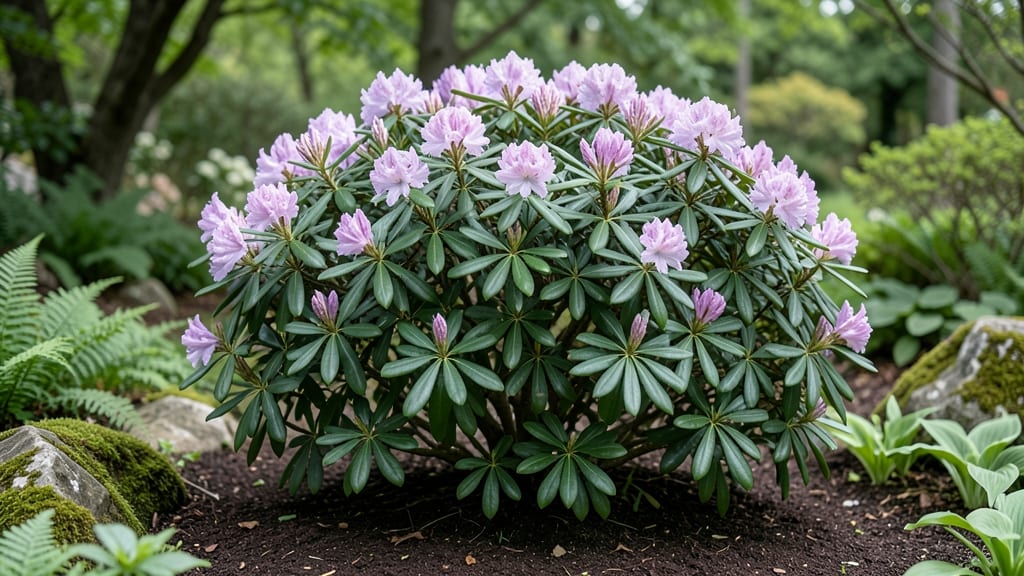
Broad leaf evergreen shrubs transform your yard into a lush, private retreat—no matter the season. 🌿 I’ve planted these tough, deer-resistant beauties along my property line, and they’ve given me both privacy and year-round structure without the upkeep of annuals.
The secret lies in their ability to stay green while providing texture and height, even when other plants sleep through winter. These shrubs aren’t just functional; they’re the backbone of a garden’s design.
Pair a glossy leucothoe with delicate ferns for a woodland vibe, or line up boxwoods for a crisp, formal edge. Deer tend to avoid their tough leaves, so you skip the fencing hassle. The best part?
They mature into dense screens that block noise and prying eyes while adding value to your home. What you’ll end up with is a garden that feels like a sanctuary—thick, vibrant, and alive in every season.
The right shrubs create layers: taller ones at the back, mid-height accents, and low-growing ground covers to tie it all together. Imagine sipping coffee while watching sunlight filter through glossy leaves—no seasonal gaps, no dead branches to clean up. Works for any yard style, from cottage charm to modern minimalism.
Here’s how to choose the perfect mix for your space and climate.
📚 In This Guide
- What you need
- Instructions
- Tips and common mistakes
- Wrapping up and next steps
What you need
- ● Broadleaf evergreen shrubs: Choose deer-resistant varieties like Ilex glabra (inkberry), Leucothoe axillaris (coast doghobble), or Pieris japonica (Japanese andromeda). Buy 5–10 mature plants (3–5 ft tall) for a 6–8 ft privacy screen, spaced 3–4 ft apart.
- ● High-quality soil amendment: 2–3 bags of compost or peat moss (for drainage and nutrients).
- ● Mulch: 1–2 bags of pine straw or shredded bark (to retain moisture and deter weeds).
- ● Organic fertilizer: 1 bag of slow-release, acid-loving plant fertilizer (e.g., 10-10-10 or 8-3-9).
- ○ Deer repellent (optional but recommended):strong> Spray or granules (e.g., Liquid Fence or Deer Out) to deter browsing.
- ● Garden shovel or spade (for digging holes).
- ● Hoe or trowel (for loosening soil).
- ● Wheelbarrow (to transport soil/amendments).
- ● Measuring tape (to ensure proper spacing).
- ● Gloves & knee pads (for comfort).
- ● Watering can or hose with nozzle (for post-planting hydration).
- ● Pruners (for trimming excess growth or shaping).
- ● Sunlight assessment: Ensure your site gets partial shade to full sun (most broadleaf evergreens thrive in these conditions).
- ○ Soil test (optional but helpful): Check pH (ideal: 4.5–6.0 for acid-loving shrubs). Adjust with sulfur or lime if needed.
- ● Water source nearby (for consistent moisture during establishment).
- ● Local nursery visit (to select healthy, disease-free plants).
How to plant deer-resistant broadleaf evergreen shrubs for privacy
Here's my foolproof method for planting four sturdy, deer-proof evergreens that stay lush year-round.
🪴 Step 1: Choose the Right Deer-Resistant Species
Pick four deer-resistant varieties like Holly, Boxwood, Camellia, or Leucothoe—these tough shrubs rarely get nibbled. I always check the mature height at planting so I know how much space to give them. For a 6-foot privacy screen, space plants 4-6 feet apart in a straight line.
Dig a hole twice as wide as the root ball but only as deep as the container. Loosen the roots gently if they're circling—this prevents transplant shock. I like to add a handful of slow-release fertilizer to the bottom of each hole for the first year's growth boost.
☀️ Step 2: Plant in Partial Sun to Full Shade
Most deer-resistant evergreens prefer morning sun and afternoon shade—this keeps leaves from scorching while still encouraging dense growth. I plant mine where the eastern exposure gets 4-6 hours of sun, then they're protected from harsh afternoon rays.
Backfill with the native soil you removed, firming gently as you go. Don't bury the trunk flare—the top of the root ball should sit 1 inch above ground level. Water deeply right after planting to settle the soil around roots.
💧 Step 3: Water Deeply and Mulch Properly
Give each shrub 1 gallon of water per week for the first 3 months, then taper to 1 gallon every 2 weeks once established. I use a soaker hose to deliver water slowly at the base—this prevents leaf burn from overhead sprinklers.
Spread 2-3 inches of mulch (cypress or pine bark works best) in a 3-foot diameter circle around each plant. Keep mulch 6 inches away from the trunk to prevent rot. This conserves moisture and keeps roots cool during summer heat.
✂️ Step 4: Prune for Shape and Health
Wait until spring to prune—never cut back in fall or winter when plants are dormant. I remove any dead or crossing branches first, then shape the shrub by trimming 1/3 of the new growth on each stem. Use clean, sharp shears to make cuts at a 45-degree angle just above a leaf node.
For dense growth, I prune twice a year—once in late spring and again in early summer. Avoid heavy pruning in fall, as new growth won't harden off before winter. Deer-resistant evergreens handle pruning well, so don't be afraid to shape them aggressively for that perfect privacy screen.
Tips & tricks for perfect deer-resistant evergreen privacy screens
Took me a while to figure these out, so here's what really makes the difference with your evergreen privacy hedge.
Species Selection Wisdom: When choosing between holly, boxwood, camellia, or leucothoe, consider your climate. Holly and leucothoe thrive in cooler zones, while boxwood handles heat better. I've found that boxwood grows fastest in the first year, making it ideal if you want quick privacy. For maximum deer resistance, mix species—deer rarely target all four at once.
Planting Depth Secret: The 1-inch elevation above ground level for the root ball is crucial. Too deep and you'll suffocate the roots; too shallow and they'll dry out. I use a level to check—tap the soil gently after backfilling until it settles naturally to the right height. This small detail prevents years of poor growth.
Watering Strategy: Those first 3 months with 1 gallon weekly are non-negotiable. I've seen many gardeners skip this and end up with stunted plants. Use the soaker hose method to deliver water directly to roots—this prevents fungal issues from overhead watering. In extreme heat, check soil moisture daily; dry soil means roots can't absorb water properly.
Pruning Precision: That 1/3 trim of new growth in spring sounds simple, but timing matters. Prune just as buds begin to swell—not too early (when plant is still dormant) or too late (when growth has hardened). I mark my calendar for late April in my zone 6 climate. Always cut at a 45-degree angle above a leaf node to encourage new growth from the right spot.
Pro Tips for Broad Leaf Evergreen Shrub
- Took me a while to figure these out, so here's what really makes the difference with your evergreen privacy hedge.
- Species Selection Wisdom: When choosing between holly, boxwood, camellia, or leucothoe, consider your climate.
- Planting Depth Secret: The 1-inch elevation above ground level for the root ball is crucial.
Frequently asked questions
Got questions about using broadleaf evergreen shrubs as deer-resistant privacy screens? You’re not alone! Here are some of the most common concerns—and their answers—to help you plan with confidence.
What are the best broadleaf evergreen shrubs for deer-prone areas?
Look for varieties like Ilex glabra (inkberry), Leucothoe axillaris (coast doghobble), or Pieris japonica (Japanese andromeda). These shrubs are naturally less appealing to deer due to their tough leaves, waxy coatings, or aromatic foliage. Pair them with Rhododendron or Viburnum for extra resilience!
How long does it take for broadleaf evergreens to grow into a solid privacy screen?
Most broadleaf evergreens grow 1–2 feet per year, so a 6-foot-tall screen typically takes 3–5 years to fill out. For faster results, plant shrubs 3–4 feet apart and prune lightly in early spring to encourage bushier growth. Patience pays off—year-round privacy is worth the wait!
Can I mix broadleaf evergreens with other plants for a layered look?
Combine them with evergreen trees (like Thuja or Chamaecyparis) for height, deciduous shrubs (such as Hydrangea) for seasonal color, or ornamental grasses for texture. Just ensure the evergreens get 6+ hours of sunlight and well-draining soil to thrive.
Are broadleaf evergreens safe for birds and pollinators?
Yes! Many, like Ilex (holly) and Viburnum, produce berries that birds adore in fall/winter. Others, such as Pieris, offer early spring flowers for bees. Avoid boxwood (toxic to pets) and stick to native or adaptable species for maximum ecosystem benefits.
What should I do if my broadleaf evergreen shrubs look leggy or sparse?
Leggy growth often signals too much shade or poor pruning. Trim back overgrown branches in late winter/early spring to encourage denser foliage. If roots are shallow, amend soil with compost and mulch to retain moisture. For severe cases, consider fertilizer with iron (common deficiency in evergreens).
Do broadleaf evergreens need winter protection?
Most are hardy, but young shrubs or those in Zone 5 or colder may benefit from mulch around the base (3–4 inches) to insulate roots. Avoid heavy snow buildup on branches—gently brush it off if needed. Leucothoe and Pieris are especially tender; plant them in sheltered spots if winters are harsh.
Wrapping up and next steps
Broadleaf evergreen shrubs are a game-changer for creating lush, deer-resistant privacy screens that stay stunning year-round! 🌿 With their glossy foliage, low-maintenance care, and natural pest deterrence, they’re perfect for adding both beauty and functionality to your landscape.
Whether you’re a busy homeowner or a gardening enthusiast, these shrubs offer a simple yet impactful solution to your outdoor needs.
Ready to transform your space? Start by selecting the best variety for your climate and soil, then plant with confidence—your future self (and your neighbors!) will thank you. Happy gardening! 🌱