
Leaf Blower
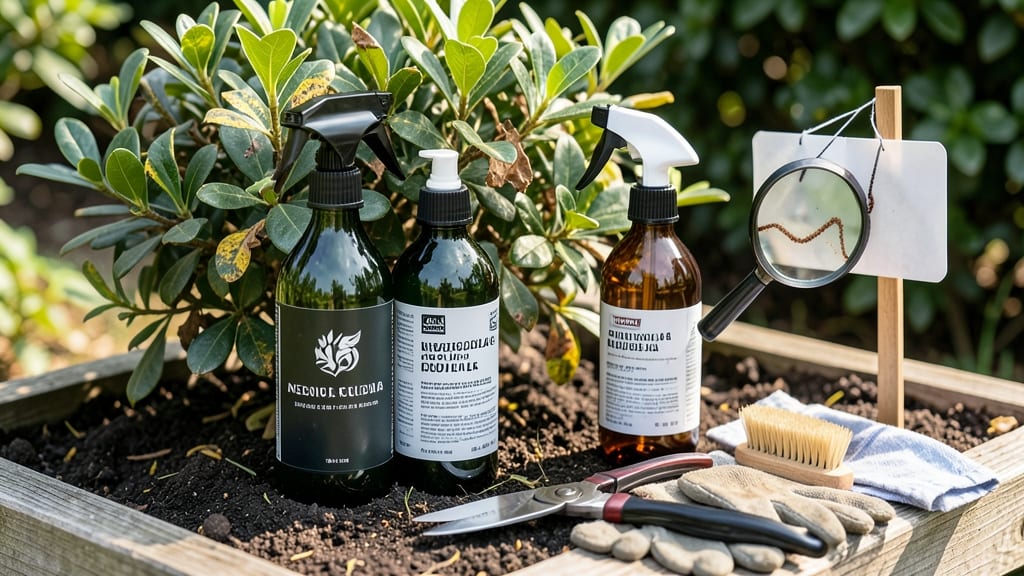
Your boxwood’s crispy, skeletonized leaves aren’t a death sentence—just a boxwood leaf miner treatment battle plan. 🌿 I’ve nursed back more boxwoods than I’d like to admit, and the key is acting fast before the miners chew through the whole plant.
What looks like winter damage is actually tiny white larvae munching their way through your shrub’s leaves, leaving behind that telltale lacework. The fix starts with sharp pruners and a targeted spray (organic or chemical) timed just right.
You’ll strip out the worst damage, then smother the remaining larvae before they pupate. Within weeks, new growth emerges—vibrant green and free of those unsightly trails. The secret? Don’t wait until next spring. Act now, and you’ll save your boxwood’s structure and curb appeal.
📚 In This Guide
- What you need
- Instructions
- Tips and common mistakes
- Wrapping up and next steps
What you need
- ● Pruning shears or loppers – Sharp, clean tools for trimming infested branches (1 pair). Pro tip: Sanitize blades with rubbing alcohol to prevent spreading pests! 💡
- ● Heavy-duty trash bags – 2–3 large bags (13-gallon or bigger) for disposing of pruned debris.
- ● Insecticidal soap or horticultural oil – 1–2 gallons (choose a label-approved product for leaf miners, like Safer® Brand Insect Killing Soap).
- ○ Systemic insecticide (optional but effective) – 1 bottle of imidacloprid or dinotefuran (e.g., Merit® or Safari®), diluted as per label instructions.
- ● Garden hose with adjustable nozzle – For rinsing foliage before/after treatment.
- ● Gloves (nitrile or rubber) – 1 pair to protect your hands from oils and sap.
- ● Spray bottle or backpack sprayer – 1–2 gallons capacity (e.g., Chapin® or Ryobi® models).
- ○ White vinegar (1:1 ratio with water) – 1 gallon (optional, for post-treatment cleanup).
- ● Beneficial nematodes (e.g., Steinernema feltiae) – 1–2 million nematodes per 1,000 sq. ft. of soil (releases naturally to combat larvae).
- ● Reflective mulch or aluminum foil – To deter adult leaf miners from laying eggs (wrap lower trunk in early spring).
- ● Fungicide (if needed) – 1 bottle (e.g., Neem Oil) to prevent secondary fungal infections from pruning wounds.
- ● Label and safety gear – Goggles, long sleeves, and a mask if using strong chemicals.
Step-by-Step instructions for boxwood leaf miner treatment
Here's how to revive your boxwoods and restore that crisp, manicured look—without losing plants to this pesky pest.
🌿 Step 1: Prune Infested Foliage to Contain the Problem
Grab your pruners and start by removing all leaves that show the telltale signs: white, serpentine trails or brown, crispy edges. I like to work in the early morning when the boxwoods are still cool and the miners are sluggish. Cut back to healthy green tissue—you'll know you've gone too far when you see fresh green leaves without any signs of damage.
This isn't just about looks. Removing infested leaves reduces the miner population and prevents them from spreading to uninfected parts of the plant. I always prune into a trash bag to avoid dropping infested leaves on the ground, where they can reinfest the plant later. Bag and discard all pruned material immediately—don't compost it.
✂️ Step 2: Apply Horticultural Oil or Insecticidal Soap
Once the pruning is done, it's time to smother the remaining miners. I reach for a horticultural oil or insecticidal soap—both are effective and won't harm beneficial insects if used correctly. Mix according to the label instructions, usually 1-2 tablespoons per gallon of water, and apply in the early evening when temperatures are below 85°F. Hotter conditions can burn the leaves.
Use a spray bottle or pump sprayer to thoroughly coat the undersides of the leaves—this is where the miners hide. You'll know you've done it right when the leaves glisten slightly. Reapply every 7-10 days for at least 3-4 weeks, even if you don't see new damage. Consistency is key here; miners are sneaky and can hide for weeks.
☀️ Step 3: Monitor and Repeat as Needed
After your first treatment, keep a close eye on your boxwoods. Check the undersides of the leaves every 3-4 days for new signs of activity. If you spot fresh trails or crispy edges after a week, it's time for another round of pruning and spraying. I've found that miners often resurface after rain or when new growth appears—so stay vigilant.
This is where patience pays off. It can take 4-6 weeks to fully break the miner cycle, but you'll see a difference after the second treatment. Focus on the new growth at the tips of the branches—these are the crispest, healthiest parts of the plant and where recovery starts. If you see fresh, untouched leaves emerging, you're on the right track.
💧 Step 4: Boost Plant Health to Speed Recovery
While you're fighting the miners, give your boxwoods a little extra care to help them bounce back. Water deeply once a week during dry spells, ensuring the soil is moist 6 inches down. Overhead watering can spread miners, so use a soaker hose or water at the base of the plant instead. You'll know the soil is right when it feels damp but not soggy.
Consider applying a balanced fertilizer (like 10-10-10) in early spring or late fall to encourage strong new growth. Avoid high-nitrogen fertilizers—they promote soft, tender leaves that miners love. Instead, focus on a slow-release formula that keeps the plant robust without inviting more pests. Healthy boxwoods are better equipped to fight off miners and recover faster.
Tips & tricks for perfect boxwood leaf miner rescue
These simple strategies will help you tackle boxwood leaf miners like a pro and restore your plants to their crisp, healthy glory.
Timing is Everything: The early morning is your best window for Step 1 pruning because cooler temperatures make the miners less active. I've found that working when the plant is still damp from morning dew helps me spot the serpentine trails more easily—just be sure to let the leaves dry completely before spraying in Step 2 to prevent fungal issues.
Precision Pruning: When cutting back in Step 1, aim for clean cuts just above healthy green tissue. I use sharp pruners and make diagonal cuts to prevent tearing the leaves, which can stress the plant further. Remember, you're not just improving appearance—every infested leaf you remove is one less miner to contend with later.
Spray Technique: For Step 2, focus on thorough coverage of leaf undersides where miners hide. I like to work in sections, spraying until the leaves glisten, then moving to the next branch. A fine mist is better than a heavy drench—you want to coat without oversaturating. Reapply every 7-10 days as instructed, but don't skip treatments just because you don't see new damage immediately.
Monitoring Strategy: In Step 3, I've found that checking every 3-4 days is crucial, especially after rain showers. Keep a small notebook by your boxwoods to record treatment dates and any new signs of activity. This helps you track progress and identify patterns—like when miners tend to resurface in your climate.
Pro Tips for Boxwood Leaf Miner Treatment
- These simple strategies will help you tackle boxwood leaf miners like a pro and restore your plants to their crisp, healthy glory.
- Timing is Everything: The early morning is your best window for Step 1 pruning because cooler temperatures make the miners less active.
- Precision Pruning: When cutting back in Step 1, aim for clean cuts just above healthy green tissue.
Frequently asked questions
about boxwood leaf miner treatment—because even the toughest gardeners need a little clarity! Here are answers to the most common concerns.When is the best time to treat boxwood leaf miners?
The ideal time to act is early spring (March–April) or late summer (August–September). These periods catch larvae before they mature, making treatments like pruning and sprays most effective. If you spot damage in fall or winter, focus on cleanup and next year’s prevention.
Can I still save my boxwood if it’s already heavily infested?
Yes, but act fast! Prune out all infested leaves (burn or bag them!) and apply horticultural oil or insecticidal soap. For severe cases, repeat treatments every 2–3 weeks. Healthy boxwoods often bounce back with consistent care—just don’t wait until the plant looks like a skeleton!
Are there organic alternatives to chemical sprays?
Try these eco-friendly options:
- Neem oil: Disrupts larvae life cycles (mix 2 tbsp per gallon of water + surfactant).
- Kaolin clay: Creates a barrier that deters adults from laying eggs.
- Beneficial nematodes: Target larvae in the soil (apply in spring).
- Pruning + cleanup: Remove infested leaves immediately to starve the cycle.
How long until my boxwood looks normal again?
Recovery depends on the infestation level and your treatment consistency. With aggressive early action, you’ll see improvement in 4–6 weeks. New growth will fill in gaps, but expect some browning until next spring. Patience is key—think of it as a slow-mo comeback!
What if the problem keeps coming back?
Persistent issues often mean re-infestation or improper cleanup. Double-check:
- Are you removing all infested leaves (including fallen ones)?
- Did you treat both the top and undersides of leaves?
- Is your boxwood stressed (over/under-watered, poor soil)? Fix that first!
Wrapping up and next steps
Dealing with boxwood leaf miners doesn’t have to be a stressful battle—with the right prune-and-spray strategy, your plants can bounce back beautifully! 🌿 By combining timely pruning and targeted insecticide treatments, you’re giving your boxwoods the best shot at recovery.
Remember, consistency is key, so stay vigilant and act early to prevent future infestations.
Now that you’re armed with knowledge, take action today! Start by inspecting your plants and implementing the steps that fit your situation. Your boxwoods—and your crispy edges—will thank you!