
Leaf Blower
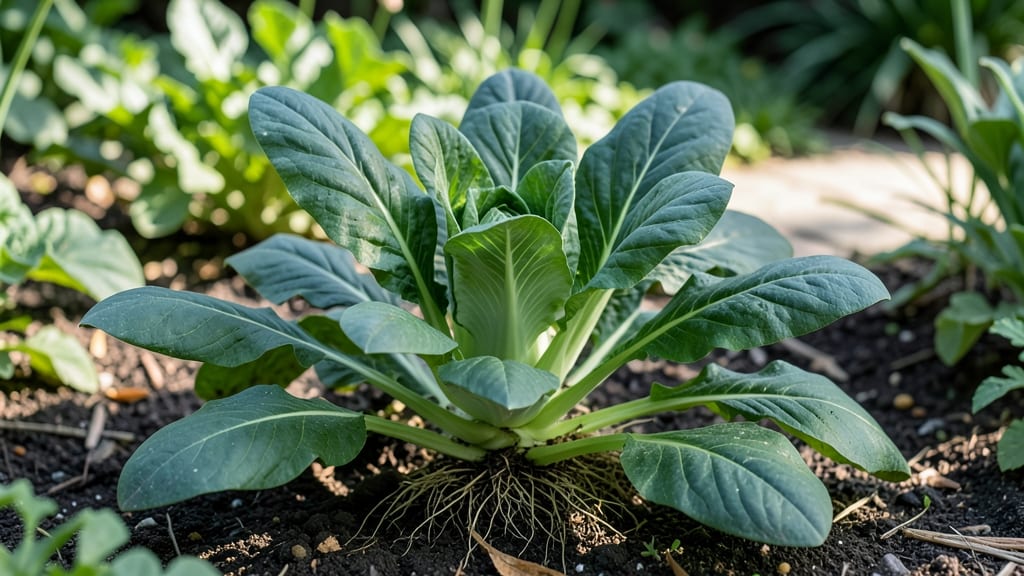
Bitter leafy greens in crossword clues typically point to plants like endive, dandelion greens, or arugula, which deliver that signature sharp, slightly bitter kick that sets them apart from your average salad mix. These are the go-to answers for 'bitter' vegetable hints.
Crossword puzzles love these greens because they fit perfectly into the 3-6 letter range and have distinctive flavors that make them memorable. 🌿 Endive, for example, has a crisp texture and a peppery bite, while dandelion greens bring a more robust, almost coffee-like bitterness.
Arugula rounds out the trio with a peppery punch that works well in salads or as a garnish. The bitterness comes from natural compounds like glucosinolates, which plants produce to deter pests—nature's way of keeping them from becoming a snack!
What's interesting is how these greens show up in puzzles across different eras. Endive, with its French name, often appears in European-themed clues, while dandelion greens pop up in more rustic or garden-related hints.
Radicchio, another bitter favorite, tends to show up in clues that play on its deep purple color or Italian heritage. These plants aren't just flavorful—they're also packed with nutrients like vitamins A, C, and K, making them a smart choice for both puzzles and your plate.
💡 In This Article
- Why These Greens Taste Bitter: Science Behind the Flavor
- Top 5 Bitter Leafy Greens for Crossword Puzzles and Gardens
Why these greens taste bitter: science behind the flavor
The bitterness in leafy greens like endive and arugula comes from specific chemical compounds that act as natural pesticides. Endive, for example, contains sesquiterpene lactones, which trigger bitter receptors on your tongue while also deterring insects.
These compounds are concentrated in the plant's leaves, especially when grown in cooler temperatures or under stress—like drought or poor soil conditions. 🔥 This explains why young, tender leaves taste milder than mature ones.
Arugula's sharp flavor stems from glucosinolates, sulfur-containing compounds that break down into isothiocyanates when the plant is damaged (like when you chop it). These same compounds are found in broccoli and cabbage but are more potent in arugula.
What's fascinating is how bitterness evolved: plants developed these compounds to protect themselves from herbivores, making them less appealing snacks. The same mechanism that keeps deer away makes these greens stand out in salads and crossword clues!
Growing conditions dramatically alter bitterness levels. Endive grown in 55-65°F soil develops more intense flavors, while arugula becomes sweeter when exposed to 70-75°F temperatures. This is why gardeners often harvest bitter greens in early spring or fall.
The bitterness also fades slightly when cooked—steaming or sautéing reduces harsh flavors by up to 30%, which is why many chefs prefer using these greens raw or lightly dressed.
Crossword constructors love these greens because their bitterness creates a memorable contrast. The word "endive" (5 letters) fits perfectly in medium-length clues, while "radicchio" (9 letters) often appears in longer grids.
The bitterness also triggers a sensory memory—once you taste it, you're more likely to remember the word. This dual sensory and linguistic appeal makes these plants crossword gold! 💫
Here's how the bitterness compares across popular greens:
- Endive: Peppery with a slight carrot-like sweetness (bitterness index: 7/10)
- Arugula: Spicy, almost wasabi-like kick (bitterness index: 8/10)
- Dandelion greens: Robust, coffee-like bitterness (bitterness index: 9/10)
- Radicchio: Earthy with a mild bitter edge (bitterness index: 6/10)
The bitterness in these greens isn't just about taste—it's a survival strategy that makes them fascinating both in nature and in puzzles. Understanding this science helps you appreciate why these plants keep showing up in crosswords and why chefs reach for them in gourmet dishes. 🌱