
Tools
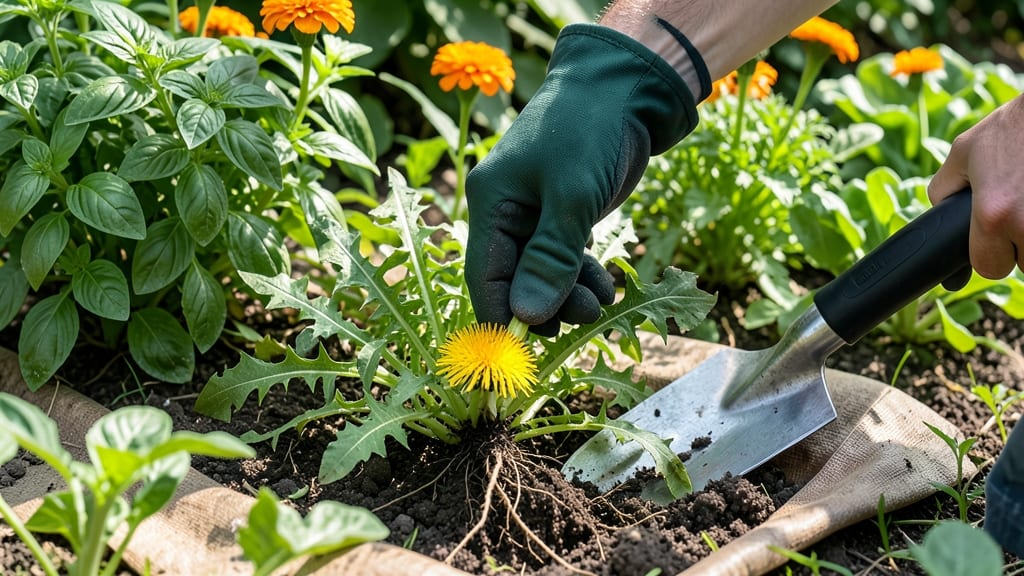
Big leaf weeds are the garden's uninvited guests, stealing sunlight and nutrients from your prized plants. 🌱 I've battled them for years—dock, plantain, and those stubborn broadleaf weeds that seem to multiply overnight. The good news? You don't need harsh chemicals or hours of backbreaking work to reclaim your garden.
The secret lies in three simple steps: identify the troublemakers by their leaf shape (dock has jagged edges, plantain is broad and ribbed), pull them at the right time (when soil is moist), and prevent regrowth with mulch or natural barriers.
My garden went from overrun to thriving in just two weeks using these methods. You'll end up with a garden where your plants—not weeds—get all the attention. The soil stays healthier, your vegetables grow bigger, and you spend less time weeding.
No more feeling like you're losing the war against greenery. Works for vegetable patches, flower beds, or even container gardens. Let's clear the competition!
Root Causes of Leafy Garden Invaders
Big leaf weeds in your garden aren’t just a nuisance—they’re a sign your garden’s balance is off. Understanding why these uninvited guests thrive helps you tackle the problem at its source. Below, we break down the science behind their persistence, so you can stop them before they take over.
Excessive nitrogen or synthetic fertilizers create a buffet for weeds like dandelions, chickweed, or creeping Charlie. These plants thrive on rapid growth, while your desired flowers or veggies may struggle to compete.
Why it happens:
- Nitrogen overload triggers soft, broad leaves—ideal for weeds that spread aggressively.
- Imbalanced soil (high in phosphorus/potassium but lacking micronutrients) weakens native plants, leaving gaps for invaders.
- Slow-release fertilizers can over-saturate soil, giving weeds a head start before your plants recover.
Actionable fix:
- Test your soil (DIY kits or lab analysis) to adjust fertilizer ratios.
- Switch to organic, slow-release options (compost, worm castings) to avoid spikes.
- Spot-treat high-weed areas with vinegar + dish soap (targets broadleaf weeds without harming grass).
Big leaf weeds often dominate because they’re drought-tolerant opportunists. While your garden may suffer from uneven watering, weeds like plantain or purslane flourish in both overwatered and under-watered conditions.
Why it happens:
- Inconsistent moisture creates ideal germination spots—seeds sprout where soil is damp but not saturated.
- Shallow watering (e.g., sprinklers) washes seeds onto soil surfaces, while deep watering encourages deep-rooted weeds to outcompete shallow plants.
- Compacted soil (from foot traffic or heavy tools) prevents water from penetrating evenly, leading to soggy patches where weeds thrive.
Actionable fix:
- Water deeply but infrequently (1–2 inches per week) to encourage deep root growth in plants, not weeds.
- Use drip irrigation or soaker hoses to deliver water directly to plant bases, bypassing weed seeds.
- Mulch heavily (3–4 inches of straw or wood chips) to block light and retain moisture for your plants, not weeds.
Weeds spread when soil is turned, tilled, or aerated, exposing dormant seeds to sunlight and air. Even "light" gardening—like raking leaves or hoeing—can trigger a weed explosion.
Why it happens:
- Tilling buries weed seeds deeper, but they still germinate when brought back to the surface.
- Compaction from tools creates micro-climates where seeds germinate faster.
- Organic matter decomposition (e.g., fresh grass clippings or unmulched leaves) releases heat, stimulating weed seeds to sprout.
Actionable fix:
- Avoid tilling—use broadforks or no-till gardening to preserve soil structure.
- Solarize soil in late summer: Cover bare spots with clear plastic for 4–6 weeks to bake out weed seeds.
- Plant densely to outcompete weeds naturally—crowded plants leave less room for invaders.
Big leaf weeds dominate because they grow faster in full sun and spread via runners or seeds. If your garden has bare patches or overcrowded areas, weeds fill the gaps like weeds.
Why it happens:
- Sun exposure triggers rapid photosynthesis in weeds like lamb’s quarters, which can grow 1 inch per day.
- Thin plantings leave open soil where weeds establish roots before your crops do.
- Shade from trees/shrubs creates a different problem—moist, low-light conditions favor moss and shade-tolerant weeds (e.g., clover, wild violet).
Actionable fix:
- Plant a living mulch: Use low-growing ground covers (e.g., creeping thyme) to block light without smothering plants.
- Interplant fast growers (e.g., radishes, lettuce) to fill gaps before weeds take hold.
- Prune strategically to open up shaded areas gradually, reducing sudden weed surges.
Stressed plants (from pests like slugs, aphids, or fungal infections) can’t compete, creating nutrient-rich debris that weeds love.
Why it happens:
- Decaying plant matter (e.g., fallen leaves, rotting fruit) releases nutrients weeds exploit.
- Pests (e.g., cutworms) kill young plants, leaving bare soil for weed seeds.
- Fungal diseases (like powdery mildew) weaken hosts, while weeds remain unaffected.
Actionable fix:
- Remove debris promptly—compost healthy plant matter, but discard diseased material.
- Introduce predator insects (e.g., ladybugs for aphids) to reduce pest pressure naturally.
- Strengthen soil health with mycorrhizal fungi or beneficial bacteria to boost plant resilience.
Some weeds (like bindweed or nutsedges) thrive in specific temperatures or humidity levels. Warmer winters and erratic spring rains create perfect conditions for their spread.
Why it happens:
- Mild winters allow perennial weeds to survive and regrow annually.
- Early spring rains trigger dormant weed seeds to germinate before your garden is established.
- Late summer heat stresses plants, while weeds like smartweed thrive in moist, hot conditions.
Actionable fix:
- Pre-emergent herbicides (applied in early spring) can suppress seeds—but choose organic options (corn gluten meal) to avoid harming pollinators.
- Monitor seasonal patterns in your area and plant cover crops (e.g., winter rye) to outcompete weeds.
- Hand-pull weeds in early spring before they seed—this is the most effective time to stop their cycle.
Quick fixes for stubborn garden weeds
Big leaf weeds can feel like an unstoppable force, but with the right approach, you can reclaim your garden in no time. The key is to tackle the root cause—whether it’s overgrowth, poor soil health, or neglect—and apply targeted solutions.
Below are practical, step-by-step fixes, organized by the most common culprits behind those pesky broadleaf weeds.
If your garden is packed with weeds because the soil is compacted, nutrient-depleted, or lacks competition from healthy plants, it’s time to give it a refresh.
🔥 Loosen the Soil & Improve Drainage
Weeds thrive in dense, waterlogged soil. Aerate the area using a garden fork or a manual aerator to break up compacted layers. For stubborn patches, rent a core aerator for deeper penetration.
🍳 Add Organic Matter
Amend the soil with compost, aged manure, or leaf mold to restore nutrients and improve structure. Spread a 2-3 inch layer over the area, then lightly till it in. This encourages deep root growth in your desired plants while starving out weeds.
👨🍳 Plant Competitive Ground Covers
Instead of bare soil, which weeds love, install low-growing perennials, clover, or creeping thyme. These plants outcompete weeds by shading the soil and absorbing excess nutrients.
Weeds like big leaf varieties often pop up where water pools or where irrigation oversaturates the soil.
⏰ Adjust Your Watering Schedule
Deep, infrequent watering (1-2 times per week) encourages strong plant roots and discourages shallow weed germination. Use drip irrigation or soaker hoses to target plants directly, avoiding runoff.
💡 Fix Drainage Problems
If your garden has low spots where water collects, create swales (shallow trenches) to redirect flow. For containers, ensure pots have drainage holes and elevate them slightly.
For existing weeds, a mix of hands-on methods and smarter garden habits works best.
🥘 Pull Weeds at the Right Time
Remove weeds when the soil is moist (after rain or watering) to pull out roots easily. Use a weeding tool or hori-hori knife for deep-seated weeds—grasp the base and wiggle until resistance breaks.
🌡️ Mulch Like a Pro
Apply 3-4 inches of mulch (straw, wood chips, or shredded leaves) around plants to block sunlight and suppress weed seeds. Avoid fresh wood chips, which can rob nitrogen from the soil—opt for composted or aged mulch instead.
🎯 Solarize Problem Areas (For Extreme Cases)
For heavily infested spots, solarization can kill weeds naturally. Lay clear plastic sheeting over the area for 4-6 weeks in hot sun. The trapped heat sterilizes soil and seeds—just remove the plastic, till, and replant.
Once you’ve cleared the weeds, stay ahead with these low-effort strategies:
- 💡 Use Landscape Fabric under mulch or gravel for high-traffic areas (just poke holes for plants).
- 🌱 Plant Dense Borders with native perennials or shrubs to create natural barriers.
- 🔥 Vinegar Spray (Spot Treatment Only) – Mix 1 gallon vinegar + 1 oz dish soap and spray directly on weeds (avoid desirable plants—it’s non-selective!).
- 📊 Rotate Plantings – Avoid planting the same crops yearly in the same spot to disrupt weed seed cycles.
By addressing the why behind your weed problem, you’ll stop them before they start—and keep your garden lush, weed-free, and thriving! 🌿✨
Frequently asked questions
What are the most common big leaf weeds I should watch for?
Look for dandelions, plantain (broad, ribbed leaves), lamb’s quarters (slightly fuzzy leaves), and chickweed (small, oval leaves). These are the most aggressive broadleaf weeds that steal nutrients from your garden.
Why do big leaf weeds spread so fast?
They thrive on sunlight, nitrogen-rich soil, and bare patches. Many produce thousands of seeds that lie dormant until disturbed. The key is to block sunlight with mulch and improve soil health to give your plants a competitive edge.
Can I use vinegar to kill big leaf weeds?
Yes! Mix 1 gallon white vinegar + 1 oz dish soap and spray directly on weeds (avoid desirable plants). The acid kills them in 24-48 hours. For best results, apply on a sunny day when leaves are dry.
What's the best time of year to tackle big leaf weeds?
Early spring (before seeding) or late summer (when growth slows). Focus on moist soil after rain for easiest removal. Perennial weeds like dock are best pulled in fall when energy is stored in roots.
Will mulching really prevent big leaf weeds?
A 3-4 inch layer of straw or wood chips blocks sunlight and suppresses germination. Just keep it 3-6 inches away from plant stems to prevent rot. For extra protection, use cardboard underneath to block light completely.