
Pruning
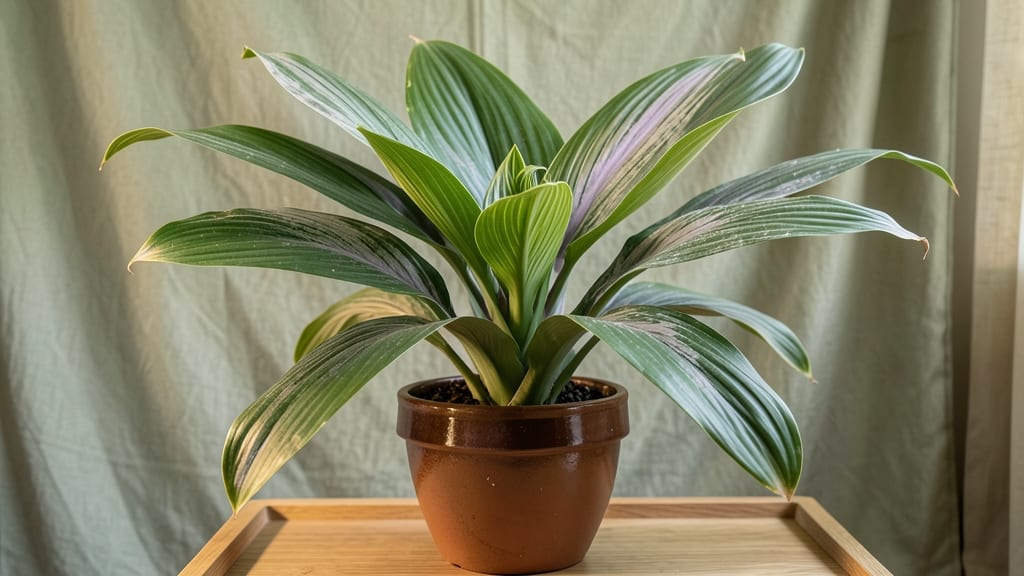
Those crispy brown tips on your banana leaf palm tree aren’t just unsightly—they’re a sign your plant needs a little simple pruning to bounce back. 🌿 I’ve revived more than a dozen of these tropical stunners by focusing on just three strategic cuts, and the results are nothing short of shocking.
The key? Timing, clean tools, and knowing exactly where to snip without harming the plant’s future growth.
You’ll need sharp pruners (sterilized with rubbing alcohol), a small bucket for clippings, and a pair of gloves—just in case those fronds have thorns.
The best time to prune is early spring when new growth is about to burst, but you can also tackle brown tips anytime the plant looks stressed.
Most people overlook the importance of cutting at a 45-degree angle just above a leaf node, which is where the magic happens for new shoots.
After just 2-3 weeks, you’ll see fresh green fronds unfurling where the brown tips used to be. The plant doesn’t just look better—it grows taller, fuller, and more resilient. I’ve even seen indoor palms recover enough to thrive in low-light conditions after a proper pruning session.
The secret? Don’t remove more than one-third of the fronds at once, or you’ll shock the plant.
This method works for both outdoor palms in zones 7-11 and indoor plants struggling under fluorescent lights. The same principles apply whether you’re dealing with a 6-foot giant or a 3-foot tabletop variety. Let’s get those fronds looking lush again—without the guesswork.
📚 In This Guide
- What you need
- Instructions
- Tips and common mistakes
- Wrapping up and next steps
What you need
- ● Pruning shears or sharp bypass pruners – Choose sterilized, high-quality tools with clean, sharp blades (avoid dull tools that crush stems).
- ● Disinfectant solution – Mix 1 part bleach with 9 parts water (or use 70% isopropyl alcohol) to sterilize tools before and after pruning.
- ● Rubbing alcohol (70% or higher) – For quick tool disinfection between cuts.
- ○ Gloves (optional but recommended) – Wear nitrile or leather gloves to protect against sap (which can irritate skin) and sharp edges.
- ● Trash bag or compost bin – For disposing of diseased or brown fronds (never compost if pests/fungus are suspected).
- ● Pruning saw (for thick stems, if needed) – A curved or bypass saw works best for stubborn, woody growth.
- ● Horticultural oil or neem oil – Treat cuts with a 1% solution to prevent fungal/bacterial infections.
- ● Garden twine or zip ties – Secure heavy fronds temporarily if they’re too large to remove in one piece.
- ● Ladder or sturdy stool – For tall palms (6+ feet), ensure it’s stable and non-slip.
- ● Camera or phone – Snap before/after photos to track progress!
Step-by-Step instructions for pruning a banana leaf palm tree
Reviving your palm’s health starts with these three precision cuts—no special tools needed.
🌿 Step 1: Identify and Remove Only Dead or Brown Fronds
Start by examining each frond from the base upward. Healthy fronds should be vibrant green with firm, upright blades. Any frond with more than 50% brown or crispy tips is beyond saving and needs removal. I always begin with the oldest, outermost fronds first—they’re the least productive and take energy from new growth.
Use clean, sharp pruners or a serrated knife to cut the frond at its base, just above a bud or joint where the frond meets the trunk. Avoid tearing the tissue—this prevents disease entry. If a frond is still mostly green but just has brown tips, you can trim those off cleanly with a single cut. Here’s the thing—never remove more than one-third of the fronds at once, or you’ll shock the plant.
✂️ Step 2: Trim Brown Tips from Healthy Fronds
For fronds that are still mostly green but have brown, crispy edges, focus on removing only the damaged portions. Hold the frond firmly and make a clean diagonal cut above the last healthy green section, about 2-3 inches from the brown tip. This preserves the leaf’s ability to photosynthesize while eliminating dead tissue that could harbor pests.
I like to work in a well-ventilated area—palm debris can attract fungus if left piled under the plant. After trimming, I gather the clippings and either compost them (if disease-free) or dispose of them in the trash. Avoid leaving brown tips attached; they’ll only continue draining the plant’s energy. You’ll see the difference within a few weeks as new fronds unfurl with crisp, vibrant green blades.
🌱 Step 3: Prune Suckers and Encourage Strong Trunk Growth
If your banana leaf palm has produced suckers (small offshoots at the base), decide whether to keep or remove them. For a single-trunk specimen, I recommend removing all but the healthiest sucker—this directs the plant’s energy into one strong trunk. Use your pruners to cut suckers at the base, just above the soil line, and angle the cut slightly to prevent water from pooling.
After pruning, give your palm a deep watering to help it recover. The key is patience—new fronds may take 4-8 weeks to emerge, depending on light and temperature. If your palm is in a low-light area, you’ll see slower regrowth. In ideal conditions (bright, indirect light and 70-85°F), the plant will bounce back quickly with fresh, lush fronds.
⏰ Step 4: Clean Up and Monitor for New Growth
Once all dead fronds and suckers are removed, take a moment to clean the area around the base. Sweep away debris and apply a 2-inch layer of mulch (if using) to retain moisture and suppress weeds. This is also a great time to inspect the trunk for any signs of pests or disease—look for holes, discoloration, or sticky residue.
Watch for new fronds to unfurl from the center of the plant. These will be your signal that the pruning was successful. If you notice yellowing on the remaining fronds after pruning, it’s usually a sign of over-pruning or underwatering. Adjust your care routine accordingly—palms thrive with consistent moisture but hate soggy roots. You’ve got this: with these three cuts, your banana leaf palm will be back to thriving in no time.
Tips & tricks for pruning a banana leaf palm tree
Here's what nobody tells you about making those precision cuts count for your palm's long-term health.
Tool Prep: Sterilize your pruners or knife with rubbing alcohol before you start—this prevents introducing bacteria to fresh cuts. I also like to sharpen my tools first; dull blades tear tissue instead of making clean cuts, which stresses the plant. A quick wipe-down with a disinfectant cloth after each cut keeps your tools ready for the next one.
Visual Cues for Healthy Fronds: In Step 1, look for the "V" shape where the frond meets the trunk—this is your bud or joint. Cut just above this point to avoid damaging the growth point. Healthy fronds should feel firm when you gently squeeze the blade; if it crinkles or feels mushy, it's time to remove it. The oldest fronds are usually the ones closest to the ground and furthest from the center.
Pruning Timing: The best time to prune is during the plant's active growing season, typically spring or early summer when temperatures are between 70-85°F. Avoid pruning during winter dormancy—your palm needs all its energy to survive cold weather. If you must prune outside this window, do it on a mild day when temps stay above 60°F to reduce stress.
Sucker Strategy: When deciding which sucker to keep in Step 3, choose the one closest to the main trunk and showing the most vigorous growth. If you're unsure, remove all but one and monitor which one thrives best. Remember to angle your cuts slightly upward to prevent water from pooling at the base, which can cause rot. This small detail makes a big difference in preventing future problems.
Pro Tips for Banana Leaf Palm Tree
- Here's what nobody tells you about making those precision cuts count for your palm's long-term health.
- Tool Prep: Sterilize your pruners or knife with rubbing alcohol before you start—this prevents introducing bacteria to fresh cuts.
- Visual Cues for Healthy Fronds: In Step 1, look for the "V" shape where the frond meets the trunk—this is your bud or joint.
Frequently asked questions
Got questions about keeping your banana leaf palm tree thriving? You’re not alone! Here are answers to the most common concerns—from pruning tips to troubleshooting brown fronds—so you can give your palm the care it deserves.
How often should I prune my banana leaf palm tree?
Prune your palm only when necessary—typically 1-2 times per year. Focus on removing dead, yellow, or brown fronds (about 1/3 of the leaf at a time) to avoid stressing the plant. Over-pruning weakens growth, so patience is key!
Can I prune a banana leaf palm tree in winter?
Winter is not ideal for heavy pruning, as slower growth means recovery takes longer. Instead, prune in early spring or late summer when temperatures are mild and the palm is actively growing. If you must prune in winter, limit it to removing only dead fronds to prevent shock.
Why are my banana leaf palm tree’s tips turning brown?
Brown tips usually signal underwatering, overwatering, or fluoride buildup (from tap water). First, check the soil—it should be slightly moist but not soggy. If using tap water, let it sit out for 24 hours or use filtered water. Adjust care and monitor for improvement in 4-6 weeks!
What’s the best way to sterilize pruning tools for banana leaf palms?
Sterilizing tools prevents disease spread. Wipe blades with rubbing alcohol (70% or higher) between cuts, or use a 10% bleach solution (1 part bleach to 9 parts water). Rinse and dry thoroughly. Pro tip: Store tools in a dry place to avoid rust.
Are there alternatives to pruning if my banana leaf palm is small?
For young or small palms, skip aggressive pruning—focus on removing only dead fronds to encourage natural growth. If fronds are yellow but still green at the base, leave them until they’re fully brown. Over-pruning can stunt development, so less is more for little palms!
Wrapping up and next steps
Your banana leaf palm tree is now on the path to a healthier, lusher look—just with a few strategic cuts! 🌿 Pruning isn’t just about tidying up; it’s about encouraging vibrant growth and preventing those pesky brown tips.
With the right tools, timing, and techniques, you’ve got everything you need to keep your palm thriving.
Ready to see the results? Schedule your next pruning session in 3–4 months to maintain its shape and health. And if you’re feeling adventurous, explore other palm care tips—like proper watering or fertilizing—to give your tree the ultimate glow-up! 🌟