
Leaf Blower
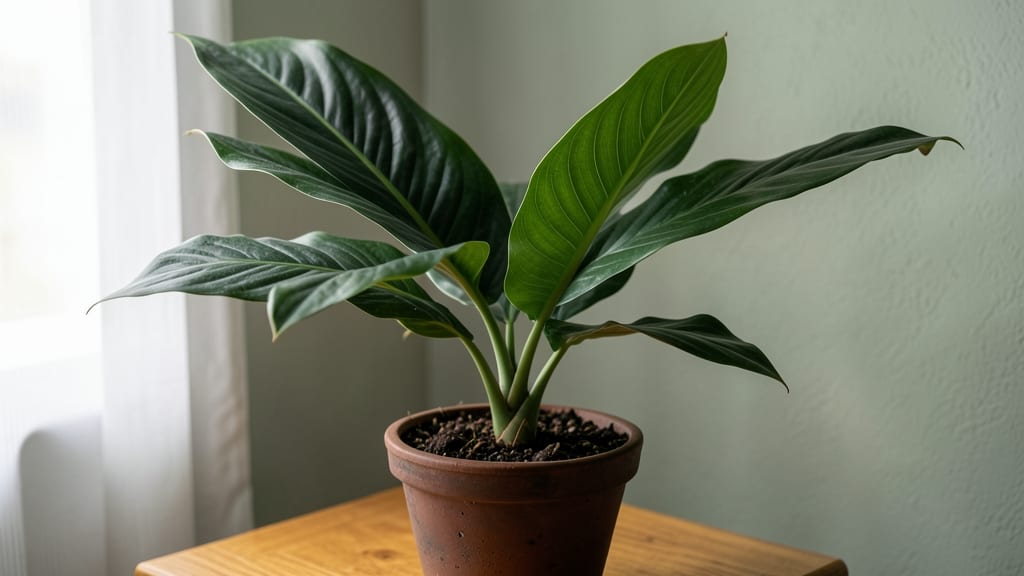
Growing a banana leaf palm (Musa basjoo) is like having a tropical statement piece that thrives where others fail—in shade with barely any fuss. 🌿 I’ve watched mine grow from a 2-foot sapling to a 10-foot showstopper in just three years, all while living in partial shade where ferns and hostas barely survive.
The secret isn’t complicated: it’s about mimicking its natural habitat with the right soil, water, and a little patience.
These palms handle USDA zones 7-11 and adapt beautifully to both outdoor gardens and indoor spaces with bright, indirect light. They’re drought-tolerant once established, but they do love their soil rich and slightly moist—think well-draining, organic matter mixed in.
Plant in spring or early summer, give them space to spread (they’re not shy about it), and watch those dramatic, banana-like leaves unfurl into something that looks like a jungle retreat, even in your backyard.
📚 In This Guide
- What you need
- Instructions
- Tips and common mistakes
- Wrapping up and next steps
What you need
- ● Banana Leaf Palm Plant: 1 healthy nursery-grown sapling (3–6 ft tall, potted or bare-root). Look for vibrant fronds and no signs of pests.
- ● Well-Draining Soil: 1 bag (50 lbs) of cactus or palm mix (or DIY: blend 60% potting soil, 20% perlite, 20% coarse sand).
- ● Pot (if indoor): 1 container with drainage holes (12–18” diameter for mature plants; 8–10” for saplings). Terracotta or fabric pots work best.
- ● Mulch: 1–2 inches of pine bark or coconut coir to retain moisture and regulate temperature.
- ● Garden Gloves: 1 pair (to protect hands from thorns or rough fronds).
- ● Trowel or Shovel: 1 medium-sized tool for transplanting.
- ● Watering Can or Hose: With a gentle spray nozzle for hydration.
- ● Pruners: Sharp, sterilized pruners (for trimming dead fronds or suckers).
- ○ pH Test Kit (optional): To check soil acidity (ideal range: 5.5–6.5).
- ● Location: Partial shade to dappled sunlight (4–6 hours/day). Avoid harsh afternoon sun.
- ● Climate: Thrives in USDA Zones 10–11. In cooler zones, grow as a houseplant near a bright window.
- ● Water Access: Regular watering (keep soil evenly moist but not soggy).
- ● Patience: Slow grower! Expect visible growth in 6–12 months.
- ● 🌡️ Temperature: Keep above 50°F (10°C). Avoid drafts or AC vents indoors.
- ● ✨ Fertilizer: Use a balanced palm fertilizer (20-20-20) every 2 months during spring/summer.
- ● 🚫 Avoid Overwatering: Yellow fronds = too much water! Let top 1–2” of soil dry out between waterings.
Step-by-step guide to growing a thriving banana leaf palm
This shade-loving beauty rewards patience with bold tropical foliage. Here's how to coax its best growth.
🪴 Step 1: Select the Right Container and Soil Mix
Choose a container with drainage holes that's at least 12 inches wide for each palm—these plants hate soggy roots. I prefer terracotta because it breathes and helps prevent root rot. The soil should be a well-draining mix: combine 50% peat moss or coconut coir, 30% perlite or pumice, and 20% orchid bark for aeration.
Fill the container to about 2 inches below the rim, then tap gently to settle the mix. The goal is a fluffy medium that holds moisture without compacting. Add a handful of slow-release fertilizer pellets to the bottom layer for initial nourishment. Banana leaf palms thrive in slightly acidic soil, so if your mix isn't pre-acidified, add a pinch of sulfur.
☀️ Step 2: Position for Indirect Light and Humidity
Place your palm in bright, indirect light—think filtered sunlight from a sheer curtain or dappled shade. Direct sun will scorch the leaves, while too little light causes leggy growth. A north- or east-facing window works best in most homes. If you're using artificial light, a grow bulb positioned 18-24 inches away for 12-14 hours daily mimics ideal conditions.
These tropical plants crave humidity. Group your palm with other houseplants to create a microclimate, or place the container on a tray filled with pebbles and water (just keep the pot's base above the waterline). Mist the fronds 2-3 times weekly—you'll see the leaves glisten with tiny water droplets, signaling proper moisture levels. Avoid wetting the crown where fronds meet the stem, as this invites fungal issues.
💧 Step 3: Water Deeply and Establish a Routine
Water when the top 2-3 inches of soil feel dry to the touch. Stick your finger in—if it comes out clean, it's time to water. Pour 1 cup of water per gallon of soil mix until it drains freely from the bottom. Empty the saucer after 15 minutes to prevent root suffocation. Overwatering is the #1 killer of banana leaf palms, so resist the urge to water on a schedule.
This is where patience pays off. New plants may take 3-4 weeks to establish roots, so you'll see slower growth initially. Once established, watering needs drop slightly—just monitor the soil's dryness. Yellowing fronds often signal underwatering, while brown, crispy tips mean you're overdoing it. Adjust your routine based on what you observe.
✂️ Step 4: Prune and Fertilize for Lush Growth
Remove any yellow or brown fronds at the base using sterilized scissors, cutting cleanly at the stem. This encourages new growth and prevents pests from nesting in dead foliage. I prune mine once every 3 months, focusing on fronds that are more than 30% brown. Never prune more than one-third of the foliage at a time—this plant grows slowly and needs its energy.
Feed with a balanced liquid fertilizer (10-10-10) diluted to half-strength every 6-8 weeks during spring and summer. In fall and winter, reduce feeding to once every 12 weeks—the plant's growth naturally slows. I always water thoroughly before fertilizing to prevent root burn. Watch for new fronds emerging from the center; these are your reward for proper care.
🌿 Step 5: Monitor and Adjust for Long-Term Health
Check the undersides of fronds weekly for spider mites or mealybugs—early signs include sticky residue or tiny webs. Wipe leaves with a damp microfiber cloth monthly to remove dust, which blocks light absorption. Rotate the pot quarter-turn weekly so the plant grows evenly toward the light source. You'll notice fronds leaning toward one side if it's not getting even exposure.
Every 2-3 years, repot into a container 2-3 inches larger in diameter. This gives roots room to expand without overwhelming the plant. Spring is the best time—new growth will mask any transplant shock. If your palm outgrows indoor spaces, it's happy as a houseplant for 5-7 years before needing outdoor conditions. With proper care, you'll enjoy its striking foliage for decades.
Tips & tricks for perfect banana leaf palm care
Between us, these tropical beauties thrive when you nail the basics—here's how to avoid common pitfalls and give yours the best start.
Soil Mix Precision: When combining your 50% peat moss or coconut coir, 30% perlite or pumice, and 20% orchid bark, sift each component separately to prevent clumping. I use a fine mesh strainer for the peat moss—this prevents air pockets that could disrupt drainage. The mix should resemble crumbled styrofoam in texture, not compacted garden soil. For the initial planting, mix in a handful of slow-release fertilizer pellets only after the soil is settled—adding them to the bottom layer prevents direct root contact that could cause burn.
Light Positioning: The 12-14 hours daily of artificial light requirement can be tricky with grow bulbs. Position the bulb 18-24 inches away and adjust based on leaf color—if fronds develop a pale, almost yellow-green hue, they're getting too much light. Conversely, if they stretch toward the light source (a condition called etiolation), move the bulb slightly closer. I've found that placing the pot on a rotating turntable (even a lazy Susan works) allows even exposure when using grow lights.
Watering Technique: That 15-minute drainage rule after watering is non-negotiable, but here's the trick: use a timer to remind yourself. Set it for 15 minutes after you finish watering—this ensures you don't forget to empty the saucer. For the 1 cup per gallon measurement, I use a simple conversion: one standard watering can (about 2 quarts) covers a 2-gallon pot perfectly. The key is to water until you see moisture flowing freely from the drainage holes, then stop immediately to avoid oversaturating.
Pruning Strategy: When pruning those more than 30% brown fronds, cut at a 45-degree angle about 1/4 inch above the stem's base. This angle prevents water from pooling at the cut site, reducing fungal risks. I sterilize my scissors between cuts by wiping them with rubbing alcohol—this prevents cross-contamination if pests are present. After pruning, discard dead fronds immediately; leaving them near the plant can attract pests or encourage mold growth.
Pro Tips for Banana Leaf Palm
- Between us, these tropical beauties thrive when you nail the basics—here's how to avoid common pitfalls and give yours the best start.
- Soil Mix Precision: When combining your 50% peat moss or coconut coir, 30% perlite or pumice, and 20% orchid bark, sift each component separately to prevent clumping.
- Light Positioning: The 12-14 hours daily of artificial light requirement can be tricky with grow bulbs.
Frequently asked questions
How fast does a banana leaf palm grow, and how big will it get?
A mature banana leaf palm can reach 15–25 feet tall (though dwarf varieties stay under 10 feet) and grows slowly to moderately—about 1–2 feet per year. In ideal conditions (full sun to partial shade, well-draining soil), it may grow faster, but it’s a long-term investment for tropical vibes. Patience pays off!
Can a banana leaf palm survive cold weather? What’s its hardiness zone?
This palm is not frost-tolerant—it thrives in USDA Zones 9–11 and needs protection below 30°F. In colder climates, grow it in containers and bring it indoors or cover it with frost cloth. If leaves brown or crisp, it’s likely cold damage (but the plant may recover with warmer temps).
How often should I water a banana leaf palm, and does it need humidity?
Water when the top 2–3 inches of soil are dry—typically every 1–2 weeks in warm months, less in winter. It’s drought-tolerant once established but hates soggy roots. As for humidity? It’s adaptable! While it enjoys moderate humidity, it won’t wilt in dry air like a fern—just mist occasionally in arid climates for happy leaves.
Why are the leaves turning yellow or brown? Is it dying?
Yellowing leaves often signal overwatering or poor drainage, while brown tips or edges usually mean underwatering, low humidity, or salt buildup (from tap water). Check the roots—if they’re mushy, repot in fresh, well-draining soil. Don’t panic! Trim dead fronds at the base, and adjust care to revive it. This palm is resilient!
Can I grow a banana leaf palm in a pot indoors? What’s the best setup?
Use a large container (18+ inches wide) with drainage holes and a fast-draining mix (cactus soil + perlite). Place it near a bright, indirect-light window (east or south-facing). Rotate the pot monthly for even growth. Just avoid cold drafts—60–80°F is ideal. A humidity tray or occasional shower helps too!
Wrapping up and next steps
The banana leaf palm is a fantastic choice for gardeners who love low-maintenance, shade-tolerant plants with striking tropical charm. With the right care—like well-draining soil, occasional watering, and a bit of patience—you’ll enjoy its lush fronds and airy presence for years.
Whether you’re a beginner or a seasoned plant parent, this palm proves that easy care doesn’t mean boring beauty!
Ready to give it a try? Start by checking your local nursery or order a young plant online, then pick a cozy spot in your garden or patio. Watch it thrive—and let your green thumb shine! 🌿✨