
Pests and Diseases
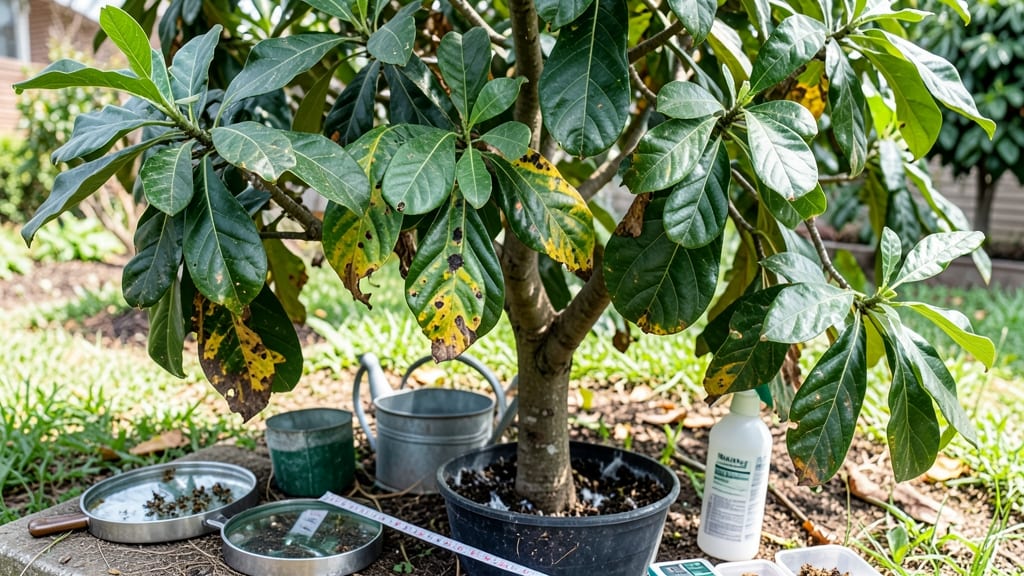
Those crispy avocado leaf problems mean your plant is silently screaming for help. 🌿 I’ve seen this problem turn lush trees into sad, brown-edged shadows—until copper spray saved them. The trick isn’t just spraying; it’s timing, concentration, and knowing why those edges curl in the first place.
Most gardeners blame drought or pests first, but fungal spots and nutrient imbalances often hide behind the crispy edges. My avocado’s leaves went from brittle to vibrant in two weeks after I adjusted watering, added compost, and applied the right copper mix.
The key? Catching it early before the spots spread to the fruit. You’ll learn to spot the difference between fungal spots and mite damage, plus how to mix a homemade copper spray that works as well as store-bought.
No more guessing—just healthy, glossy leaves that keep producing those rich, creamy avocados you love. Works for container-grown trees or backyard giants, and the solution scales with your plant’s size. Let’s fix those leaves before they turn to dust.
Root Causes Behind Leaf Issues
Avocado trees are resilient, but their leaves can develop problems due to a mix of environmental stressors, nutritional deficiencies, and pathogen attacks. Understanding the why behind these issues is the first step to restoring your tree’s health.
Below, we break down the most common culprits—each with a clear scientific explanation and actionable insights.
Avocado trees thrive in warm climates (USDA Zones 9-11), but sudden temperature swings—whether from frost, heatwaves, or cold drafts—can trigger leaf damage. Cold stress causes cell membrane rupture in leaves, leading to crispy edges, brown spots, or even leaf drop.
Heat stress, on the other hand, disrupts photosynthesis by closing stomata (leaf pores) to conserve water, resulting in scorch marks or yellowing.
Why it happens:
- Cold damage: Temperatures below 28°F (-2°C) can kill avocado leaves within hours, as their cells lack antifreeze proteins found in cold-hardy plants.
- Heat damage: Prolonged exposure to 95°F (35°C)+ without shade or hydration forces leaves to "shut down," mimicking drought stress.
- Windburn: High winds dry out leaf surfaces, creating desiccation cracks along edges (common in coastal areas).
💡 Pro Tip: Mulch with wood chips to insulate roots from temperature swings, and use shade cloth (30-50%) during heatwaves. Avoid overhead watering at night to prevent frost formation.
Avocado leaves are sensitive to moisture imbalances. Overwatering suffocates roots by blocking oxygen, while underwatering triggers oxidative stress in leaf cells. Both scenarios lead to yellowing, wilting, or fungal infections like Phytophthora root rot.
Why it happens:
| Issue | Scientific Cause | Visual Clues |
|---|---|---|
| Overwatering | Excess water displaces oxygen in soil, causing anaerobic respiration in roots. This produces ethanol, which is toxic to cells. | Yellowing between leaf veins (chlorosis), mushy stems, and a sour smell at the base. |
| Underwatering | Leaf cells lose turgor pressure due to plasmolysis (when water exits cells faster than roots can absorb it). | Crispy, brown edges; leaves curling underward (unlike overwatered leaves, which curl upward). |
| Poor Drainage | Compacted or clay soil traps water, leading to root asphyxiation and secondary fungal/bacterial infections. | Dark, waterlogged soil; leaves develop black spots or mold. |
💡 Pro Tip: Test soil moisture by sticking your finger 2 inches deep—water only when dry. Amend heavy soil with perlite or sand to improve drainage. Drip irrigation (not sprinklers) delivers water directly to roots.
Avocados are heavy feeders, and imbalances in key nutrients can manifest as leaf problems. For example, copper deficiency (common in alkaline soils) causes dieback and crispy edges, while magnesium deficiency leads to yellow patches between veins (interveinal chlorosis).
Conversely, excess salts or fertilizers burn roots, starving leaves of nutrients.
Why it happens:
- Copper deficiency: Copper is critical for enzyme function in photosynthesis and cell wall formation. In alkaline soils (pH > 7.5), copper binds to calcium, making it unavailable. Symptoms: Leaf tips die back, stems become brittle.
- Magnesium deficiency: Magnesium is the center of the chlorophyll molecule. When soil is too acidic (pH < 6.0) or potassium levels are high, magnesium leaches away, causing yellowing.
- Iron deficiency: Even in iron-rich soil, high pH (>7.0) locks iron out of root uptake, leading to pale new growth (chlorosis).
- Fertilizer burn: Excess nitrogen or salts (e.g., from synthetic fertilizers) disrupt osmotic balance in roots, preventing water/nutrient uptake.
💡 Pro Tip: Conduct a soil test to identify pH/nutrient imbalances. For copper deficiency, use chelated copper sprays (like copper sulfate) or amend soil with elemental sulfur to lower pH. For magnesium, apply Epsom salt (magnesium sulfate) as a foliar spray.
Avocado leaves are prime targets for pathogens like Colletotrichum (anthracnose), Phytophthora (root/fruit rot), and Xanthomonas (bacterial leaf spot). These microbes exploit weak spots—often created by stress (e.g., poor watering, wounds)—to invade leaf tissues.
Why it happens:
- High humidity + wounds: Fungi like Colletotrichum thrive in 80%+ humidity and enter through stomata or damaged leaf edges. Symptoms: Sunken, dark spots with yellow halos.
- Overhead watering: Splashing water spreads Xanthomonas bacteria, causing water-soaked lesions that turn brown and crusty.
- Poor air circulation: Dense foliage traps moisture, creating the perfect environment for Botrytis (gray mold), which causes fuzzy gray spots on leaves.
💡 Pro Tip: Prune for airflow (remove crossing branches) and water at soil level. Apply copper-based fungicides (like copper hydroxide) preventatively, especially before rainy seasons. Remove and destroy infected leaves to stop spread.
Most avocado leaf problems stem from a combination of environmental stress and poor cultural practices. By addressing the root cause—whether it’s temperature, water, nutrients, or pathogens—you can restore your tree’s vitality and prevent further damage. Stay tuned for our next section on diagnosing specific symptoms and copper spray solutions!
Fixing Avocado Leaf Issues
Avocado trees are stunning, but their leaves can develop problems like crispy edges, fungal spots, or discoloration—leaving you scratching your head. 🌿 The good news? Most issues have simple fixes, whether you’re dealing with nutritional deficiencies, fungal infections, or environmental stress.
Below, we’ll break down the most common causes and the step-by-step solutions to restore your tree’s health.
If your avocado leaves have brown crispy edges or black fungal spots, copper-based treatments are often the fastest fix.
✅ Step 1: Confirm the Problem
- Crispy edges? Likely due to low humidity, overwatering, or copper deficiency.
- Black spots? Usually fungal diseases like anthracnose or leaf spot.
✅ Step 2: Apply Copper Spray (Best Cure)
- Choose a copper fungicide (e.g., copper sulfate, copper hydroxide, or Bordeaux mixture).
- Mix according to label instructions (typically 1–2 tbsp per gallon of water).
- Spray thoroughly on both sides of leaves and stems, focusing on affected areas.
- Reapply every 7–14 days until symptoms improve.
💡 Pro Tip: Early morning or late evening spraying reduces leaf burn and improves absorption.
✅ Step 3: Adjust Care Routine
- Improve drainage (avoid soggy soil—fungi love moisture).
- Water at the base (not overhead) to prevent fungal spread.
- Prune infected leaves to stop the disease from spreading.
Yellowing leaves often signal nutrient deficiencies, overwatering, or pests.
🍂 Step 1: Check the Soil & Watering
- Overwatering? Let the top 2 inches of soil dry out before watering again.
- Underwatering? Deep water once a week (avocados hate drought stress).
🍃 Step 2: Test & Boost Nutrients
- Yellow leaves with green veins? Likely iron or zinc deficiency—use a chelated iron supplement.
- Pale yellow leaves? Could be nitrogen deficiency—apply a balanced fertilizer (10-10-10).
- Brown spots with yellow halos? Manganese deficiency—sprinkle Epsom salt (magnesium sulfate) around the base.
🌡️ Pro Tip: Avocados thrive in slightly acidic soil (pH 6.0–7.0)—test your soil if problems persist.
🐜 Step 3: Rule Out Pests
- Mites or scale insects? Spray with neem oil or insecticidal soap.
- Aphids? Blast off with water first, then treat with soapy water spray.
Once your avocado tree recovers, keep it happy long-term with these habits:
✨ 🌿 Optimal Growing Conditions
- Sunlight: 6–8 hours of morning sun (afternoon shade in hot climates).
- Humidity: Mist leaves daily in dry climates or use a pebble tray.
- Wind Protection: Young trees need windbreaks to prevent leaf scorch.
✨ 🍂 Regular Maintenance
- Fertilize every 2–3 months with citrus/avocado-specific fertilizer.
- Prune dead leaves to improve airflow (reduces fungal risk).
- Mulch with wood chips to retain moisture and regulate soil temp.
✨ 🚨 Early Warning Signs
- Curling leaves? Could mean pests or underwatering.
- Dropping leaves? Check for root rot or overwatering.
By tackling the root cause (literally and figuratively) and adjusting care, your avocado tree will bounce back stronger. 💪 Copper sprays, proper watering, and nutrient balance are your best tools—so roll up your sleeves and give your tree the TLC it deserves!
Frequently asked questions
Why do avocado leaves develop crispy edges first?
Crispy edges appear first because they're the most vulnerable part of the leaf. This usually signals low humidity, copper deficiency, or overwatering stress. Avocado leaves lose moisture fastest through their edges, making them the first to show signs of dehydration or nutrient imbalance. Check soil moisture and consider a copper spray if edges continue browning.
Can I use regular copper sulfate for avocado leaf problems?
Yes, but with caution. Regular copper sulfate works but can burn leaves if too concentrated. For avocados, use 1 teaspoon per gallon of water and apply in the evening. Copper hydroxide or Bordeaux mixture are gentler alternatives that still effectively treat fungal spots and deficiencies. Always test on a small leaf first.
How often should I spray copper on my avocado tree?
For active problems, spray every 7-10 days until symptoms improve, then switch to monthly preventative sprays during humid seasons. Avoid spraying when rain is forecasted within 24 hours—it washes off before being absorbed. Morning applications work best for maximum effectiveness without leaf burn.
What's the difference between fungal spots and pest damage?
Fungal spots appear as dark, sunken areas with yellow halos and often have a fuzzy texture, while pest damage shows as tiny holes, webbing, or sticky residue. Check the undersides of leaves—pests leave visible trails or eggs, while fungi create irregular, spreading patterns. Magnify with a hand lens if unsure.
Will my avocado tree recover if I wait too long to treat?
Early intervention is key—untreated problems can spread to fruit and kill branches. While mature trees may recover from leaf issues, severe cases can weaken the tree permanently. For crispy edges, act within 2-3 weeks; fungal spots require treatment before they spread to new growth. Prune affected areas immediately to contain the problem.