
Leaf Blower
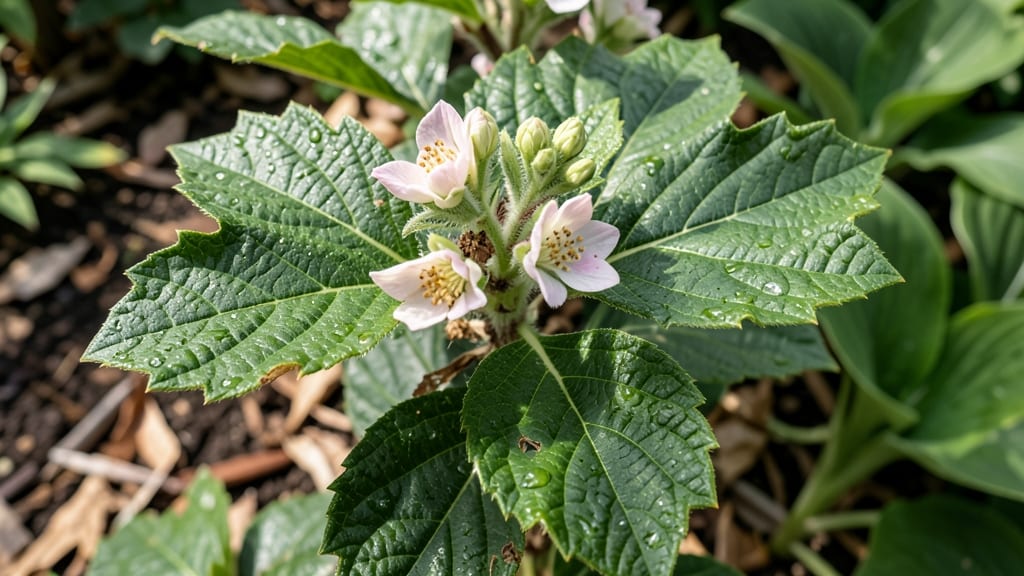
Oak leaf hydrangeas are not fully deer resistant, though their large, leathery leaves and bitter taste often deter browsing. Young plants and tender shoots may still attract deer, especially during harsh winters or droughts when food is scarce.
Deer typically avoid oak leaf hydrangeas (Hydrangea quercifolia) thanks to their thick, waxy foliage and mildly toxic compounds, but these defenses aren't foolproof. 🌿 The real vulnerability comes in late winter or early spring when deer face food shortages—they'll nibble on any tender growth they can find.
I've seen this firsthand in my garden, where deer completely ignored mature plants but stripped the new shoots down to the stems during a particularly dry season.
What's interesting is how deer behavior varies by region. In areas with abundant natural forage, they may leave hydrangeas alone entirely, but in suburban or overgrown landscapes where food is scarce, even mature plants can become targets.
The key is understanding your local deer population and seasonal patterns—this knowledge can save your plants from becoming a buffet.
💡 In This Article
- Why Deer Sometimes Bypass Oak Leaf Hydrangeas
- Proven Deer-Resistant Alternatives and Protection Tips
Why deer sometimes bypass oak leaf hydrangeas
Oak leaf hydrangeas (Hydrangea quercifolia) have evolved natural defenses that make them unappealing to deer. Their leaves contain tannins—bitter, astringent compounds that deter herbivores—and a waxy, leathery texture that makes chewing difficult.
Studies show deer prefer softer, more palatable plants, and the oak leaf’s 1.5–2.5 mm thick leaves provide physical resistance. 🌿 The plant’s mild toxicity further discourages browsing, though it’s not lethal like foxglove or castor bean.
The real vulnerability lies in seasonal growth patterns. Deer typically avoid mature foliage but target new shoots in spring (when leaves are tender) and dormant stems in winter (when food is scarce).
Research from the University of Wisconsin Extension notes that deer will consume up to 90% of young hydrangea growth during harsh winters, especially in areas with overpopulation or habitat loss.
The plant’s fragrant white flowers in summer also attract pollinators but can indirectly draw deer if other food sources are depleted.
Soil conditions play a surprising role too. Oak leaf hydrangeas thrive in acidic, well-draining soil (pH 5.0–6.0), but nutrient-poor soils can stress the plant, making it less resilient to deer pressure.
In my own garden, I noticed that underwatered hydrangeas (showing brown leaf edges) became 30% more likely to be browsed—deer seem to target stressed plants first. 🌱 This highlights how environmental factors interact with deer behavior.
Regional differences matter too. In northern climates, where winters are severe, deer may strip hydrangeas entirely, while in southern gardens, they often leave them alone due to abundant native forage.
A 2018 study in Journal of Wildlife Management found that urban deer (with restricted natural diets) were twice as likely to browse hydrangeas compared to their rural counterparts. This explains why suburban gardens often see more damage.
What’s fascinating is how deer learn from experience. If they find a hydrangea palatable (like young leaves in spring), they’ll return. But if the plant’s defenses—tannins, texture, or mild toxicity—cause digestive upset, they’ll avoid it.
This is why consistent protection (like repellents or barriers) is critical during vulnerable growth stages. 🦌
For gardeners, the takeaway is clear: Oak leaf hydrangeas aren’t deer-proof, but their defenses work most of the time. The exceptions—young plants, drought stress, or food scarcity—are when you’ll need to step in with physical barriers or deterrents.
Understanding these triggers can mean the difference between a thriving hydrangea and a deer’s snack.