
Leaf Blower
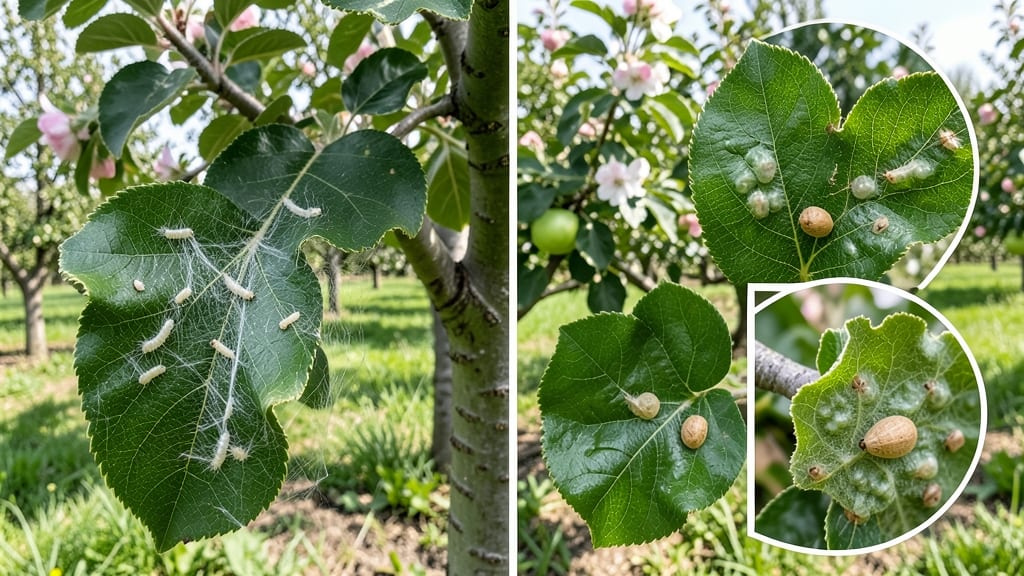
Copper spray halts apple leaf curl midge damage faster than waiting for next season. 🌿 I’ve watched this tiny pest turn lush green leaves into curled, brown messes—until I discovered the right timing and application.
The key isn’t just spraying; it’s hitting the midge’s weak spots in its life cycle before it wreaks havoc on your tree.
The damage starts small but spreads fast: stunted growth, deformed leaves, and fruit that never ripens. Most gardeners panic when they see the first signs—yellowing, then curling—but the midge’s lifecycle gives us a narrow window to act.
Copper spray works best when applied before eggs hatch, usually in early spring when buds swell but haven’t broken yet.
You’ll see results within 7-10 days if you time it right: fewer curled leaves, stronger new growth, and fruit that develops normally. The spray disrupts the midge’s feeding cycle without harming bees or other beneficial insects if used correctly.
Just don’t wait until you spot damage—prevention is the only fast fix.
Works for home orchards, backyard trees, and even container-grown apples. Here’s the exact protocol to stop the midge in its tracks before it ruins another season.
Root Causes of Leaf Damage
Understanding why your apple tree’s leaves develop those unsightly curls and blisters starts with identifying the key triggers behind apple leaf curl midge infestations. These tiny pests don’t strike randomly—they’re drawn to specific conditions that create the perfect breeding ground.
Let’s break down the science behind their behavior and how environmental factors set the stage for an outbreak.
A healthy apple tree is like a fortress with strong walls—it repels pests naturally. But when trees are stressed or compromised, their defenses weaken, making them prime targets for midges.
- Nutrient Deficiencies: Trees lacking essential nutrients (like nitrogen, potassium, or micronutrients) grow slowly and produce weak, thin leaves—ideal hiding spots for midge larvae.
- Actionable fix: Conduct a soil test to identify deficiencies and apply balanced fertilizers (e.g., 10-10-10 NPK) in early spring.
- Water Stress: Drought or overwatering disrupts the tree’s ability to photosynthesize efficiently, making leaves more vulnerable to pest attacks.
- Pro tip 💡: Mulch around the base to retain moisture and avoid sudden water fluctuations.
- Physical Damage: Pruning wounds, hail, or disease (like apple scab) create entry points for midges to lay eggs in damaged tissue.
- Prevention: Seal pruning cuts with pruning sealant and remove infected branches immediately.
Midge populations explode when temperature and humidity align with their life cycle.
These pests thrive in: - Spring Warmth (50–75°F): Eggs hatch when soil and leaf surfaces warm up, typically in late April to early May. - High Humidity (60%+): Moist conditions keep eggs hydrated and larvae active, accelerating damage. - Rainy Periods: Excess moisture softens leaves, making them easier for midges to penetrate and lay eggs.
🌡️ Data point: Studies show midge activity peaks 10–14 days after rain in temperate climates—plan copper sprays accordingly.
Tightly packed apple trees or dense foliage create microclimates that trap heat and moisture—perfect for midge survival.
- Shaded Canopies: Midges prefer areas with low light penetration, where leaves stay damp longer.
- Solution: Prune to improve airflow and reduce humidity pockets in the canopy.
- Weedy Ground Cover: Grass and weeds near the tree base harbor midge pupae over winter.
- Action: Maintain a 3-foot weed-free zone around the trunk.
Midge populations build up over years if left unchecked. A single outbreak can lead to a self-perpetuating cycle: 1. Larvae overwinter in leaf litter or soil.
- Adults emerge in spring to lay eggs on new growth.
- Damage escalates if no copper spray or biological controls are applied.
✨ Key insight: Early intervention (like copper sprays in pink bud stage) can break this cycle before it starts.
Not all apple varieties are equally attractive to midges. Susceptible cultivars (like ‘Gala’, ‘Fuji’, or ‘Honeycrisp’) produce tender, hairy leaves that midges favor for egg-laying.
- Resistant Varieties: Some apple types (e.g., ‘Liberty’ or ‘Enterprise’) have natural midge resistance due to leaf texture or chemical defenses.
- Hybrid tip 🌱: If midges are recurrent, consider grafting resistant rootstock or switching varieties long-term.
These causes aren’t just background noise—they dictate when and how you should apply copper sprays.
For example: - Timing: Spray before midges emerge (monitor local forecasts for spring warmth). - Target Areas: Focus on new growth, undersides of leaves, and shaded branches where midges hide. - Complementary Treatments: Combine copper with horticultural oil to smother eggs and larvae.
By addressing these root causes, you’re not just treating symptoms—you’re disrupting the midge’s life cycle at its source. 🚀
Quick Fixes for Leaf Damage
Now that you understand why your apple tree’s leaves are curling and distorting, it’s time to take action. The good news? With the right approach, you can stop the damage in its tracks and prevent future outbreaks.
Below, we’ve broken down practical solutions based on the root causes—whether it’s midge infestation, fungal spread, or environmental stress.
If tiny, black midges are the culprits behind your tree’s misery, you’ll need to disrupt their life cycle fast.
🍳 Use Copper Spray (The Gold Standard)
Copper-based fungicides and insecticides are the most effective way to kill midges and prevent fungal infections.
Here’s how to apply it properly: - Timing: Spray before buds swell in early spring (late winter to early spring) and again after harvest. - Concentration: Follow label instructions—typically 1–2 tablespoons of copper sulfate per gallon of water. - Coverage: Spray thoroughly on both the top and bottom of leaves, branches, and trunk cracks. - Frequency: Reapply every 10–14 days during active midge season (spring to early summer).
> 💡 Pro Tip: Mix copper spray with a light horticultural oil (1%) for extra midge control. This smothers their eggs and larvae.
👨🍳 Natural Predators & Traps
Encourage midge-eating insects like lacewings, ladybugs, and parasitic wasps by planting dill, fennel, or marigolds nearby. You can also set up yellow sticky traps to monitor and reduce midge numbers.
If midges have already triggered fungal growth (like Marssonina or Venturia), act fast with these organic options:
🔪 Baking Soda Spray (Budget-Friendly & Safe)
- Mix 1 tablespoon baking soda + 1 teaspoon vegetable oil + 1 teaspoon dish soap in 1 gallon of water.
- Spray every 7–10 days during wet conditions.
- Why it works: Raises leaf pH, making it harder for fungi to latch on.
🌡️ Neem Oil or Potassium Soap
- Neem oil (2–3 tsp per gallon) disrupts fungal spores and midge feeding.
- Potassium soap (1–2 tbsp per gallon) suffocates soft-bodied pests.
- Best for: Early-stage infections—apply at dusk to avoid harming bees.
A weakened tree is an open invitation for midges and fungi. Strengthen your apple tree’s defenses with these preventive tweaks:
| Issue | Fix | When to Do It |
|---|---|---|
| Overwatering | Water deeply but less often (1–2 inches per week). Improve drainage. | Spring & summer |
| Poor Soil Nutrition | Apply balanced fertilizer (10-10-10) in early spring. | Late winter/early spring |
| Overcrowded Branches | Prune dead or crossing branches to improve airflow. | Dormant season (winter) |
| Late Pruning | Avoid pruning in fall—wait until late winter to prevent fungal entry. | January–February |
Once you’ve treated the current outbreak, keep these habits to stop recurrence:
- 🌿 Mulch properly: Use wood chips or straw (3–4 inches deep) to regulate soil moisture and temperature.
- 🍎 Choose resistant varieties: If midges are chronic, switch to resistant apple cultivars like ‘Liberty’ or ‘Enterprise.’
- 🌧️ Monitor weather: Midges thrive in wet springs—plan copper sprays before rain forecasts.
- 🧹 Clean up debris: Remove fallen leaves and mummies (dried fruit) in fall to eliminate midge hiding spots.
By combining copper sprays, organic fungicides, and smart tree care, you’ll not only halt leaf curl damage but also build a stronger, healthier apple tree for years to come. 🍏💪
Frequently asked questions
How do I know if apple leaf curl midge is the problem?
Look for tiny black midges near your tree in spring, plus curled or blistered leaves with yellow patches. The damage appears on new growth first, unlike fungal diseases that spread more evenly. Check undersides of leaves for tiny eggs or larvae—magnifying glass helps!
When is the best time to apply copper spray?
Spray before buds swell in late winter/early spring (pink bud stage) and again after harvest. This disrupts midge life cycles before eggs hatch. Avoid spraying when rain is forecast within 24 hours—it washes off before working.
Can copper spray harm bees or other pollinators?
Copper is generally bee-safe when used correctly, but avoid spraying when flowers are open. Apply early morning or evening when bees are less active. For extra protection, mix with horticultural oil (1%)—this targets midges without harming beneficial insects.
What if my tree is already heavily damaged?
Prune affected branches immediately to remove midge hotspots. Apply copper spray plus neem oil (2-3 tsp/gallon) to stop further spread. For severe cases, repeat treatments every 7-10 days until new growth appears healthy.
Are there midge-resistant apple varieties?
Yes! Try ‘Liberty’ or ‘Enterprise’—these cultivars have natural resistance due to leaf texture. If switching varieties isn't an option, graft resistant rootstock onto your current tree for long-term protection.