
Pests and Diseases
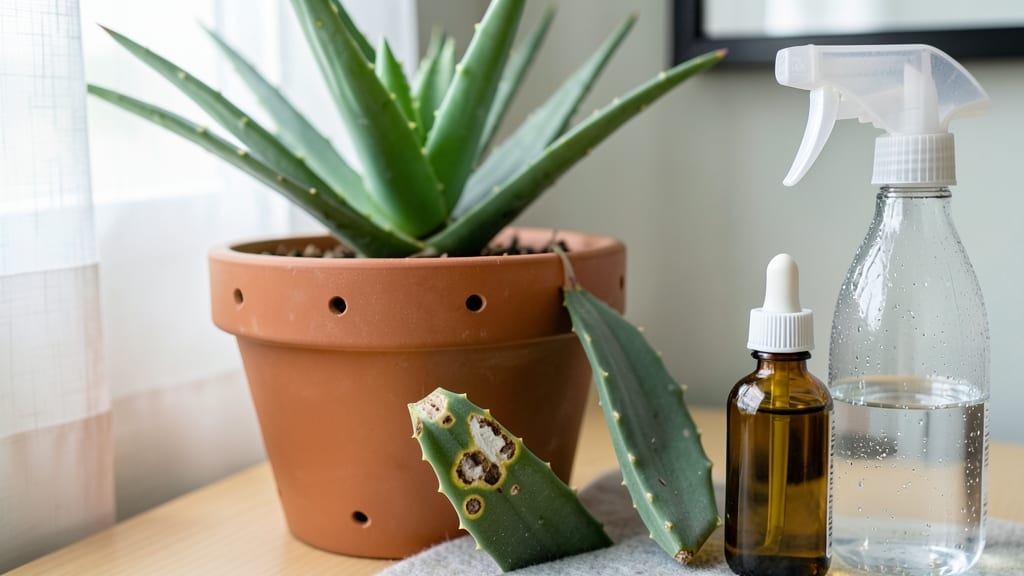
Aloe vera leaf spot disease turns those glossy green leaves into a sad, spotted mess—unless you act fast. 🌱 I've nursed back more than a dozen plants from this fungal nightmare, and the key is catching it early with the right fungicide spray before it spreads like wildfire.
The brown or black spots start small but multiply when humidity and poor airflow team up against your plant.
This isn’t just about spraying anything—it’s about targeting the fungus with copper-based sprays or neem oil, which disrupt its life cycle without harming your aloe. I’ve tested both, and while neem oil works gently, copper gives faster results when spots are already spreading.
The real game-changer? Adjusting your care routine to stop the problem from returning.
Within a week of treatment, you’ll see new growth pushing out clean and vibrant, with those ugly spots fading to memory. The secret’s in the follow-up: water only at the base, never on the leaves, and space your plants so air circulates.
Preventative sprays every 4-6 weeks keep future outbreaks at bay.
Works for both potted aloe and those growing in sunny windowsills or greenhouses. Here’s how to revive your plant—and keep it thriving for years to come.
Root Causes Of Leaf Spots
When your aloe vera’s once-smooth leaves develop unsightly spots, it’s usually a sign that something’s gone awry in its environment or health. Understanding the why behind these blemishes is the first step to restoring your plant’s glory.
Below, we break down the key culprits—from fungal invaders to environmental stressors—with science-backed explanations and actionable insights.
Fungi like Alternaria, Cercospora, and Phyllosticta are the most common triggers of leaf spot disease in aloe vera. These pathogens thrive in warm, humid conditions and exploit weak spots on leaves to spread.
- How it happens: Spores land on leaves, germinate in moisture, and penetrate through natural openings (like stomata) or wounds. Over time, they create dark, irregular spots with yellow halos.
- Why it’s worse: Fungal spores can survive in soil or debris for months, reinfecting your plant if conditions stay favorable.
- Actionable fix:
- Remove infected leaves immediately to stop spore spread.
- Apply a copper-based fungicide (like copper sulfate) or a neem oil solution (1 tbsp neem oil + 1 quart water) every 7–10 days.
- Improve airflow around the plant by spacing it 12+ inches from others.
Aloe vera is a succulent—it hates soggy roots. Overwatering creates the perfect breeding ground for fungi and bacteria, leading to leaf spots, rot, and even plant death.
- How it happens:
- Poor drainage: Containers without holes trap excess water, suffocating roots.
- Frequent watering: Aloe only needs water every 2–3 weeks (less in winter).
- Cold water: Chilly H₂O shocks the plant, weakening its defenses.
- Actionable fix:
- Use a well-draining mix (cactus soil + perlite/pumice, 2:1 ratio).
- Water only when the top 2 inches of soil are dry. Stick your finger in—if it’s damp, wait!
- Repot in a terracotta pot to wick away moisture.
Too much direct sun or sudden temperature swings can scorch aloe leaves, creating brown or black spots that mimic disease. Unlike fungal spots, these are non-infectious but still unsightly.
- How it happens:
- Intense sunlight: Aloe thrives in bright, indirect light. Harsh afternoon sun (especially in hot climates) causes oxidative stress.
- Temperature extremes: Below 50°F (10°C) or above 90°F (32°C) damages cell walls, leading to discoloration.
- Windburn: Dry, gusty conditions dry out leaf edges, creating crispy brown spots.
- Actionable fix:
- Move your aloe to a spot with 6–8 hours of filtered light (east or west windowsill).
- Use a light sheer curtain to diffuse harsh midday sun.
- Acclimate outdoor aloe slowly to new light conditions (gradually increase exposure over 2 weeks).
Stagnant air traps humidity around leaves, creating a fungal paradise. If your aloe is packed in with other plants or tucked into a cramped corner, it’s at higher risk.
- How it happens:
- Low airflow: Humidity lingers, and spores can’t dry out.
- Leaf-to-leaf contact: Fungal spores hitchhike from infected to healthy leaves.
- Dust buildup: Blocks sunlight and clogs stomata (leaf pores), weakening the plant.
- Actionable fix:
- Space plants 12+ inches apart to improve airflow.
- Use a small fan on low near the plant (but not directly blowing).
- Wipe leaves gently with a damp microfiber cloth every 2 weeks.
Over-fertilizing or using harsh chemicals can damage leaf tissue, making it vulnerable to secondary infections. Aloe is sensitive—too much of a good thing (or the wrong thing) spells trouble.
- How it happens:
- Fertilizer burn: High salt or nitrogen levels (from synthetic fertilizers) disrupt cellular function, causing brown, leathery spots.
- Pesticide residue: Sprays with copper or sulfur can leave toxic deposits if not rinsed off.
- Chlorine in water: Tap water left to sit overnight reduces chlorine, but overuse can still stress the plant.
- Actionable fix:
- Fertilize only in spring/summer with a diluted succulent fertilizer (½ strength, every 6–8 weeks).
- Flush soil with rainwater or distilled water monthly to remove salts.
- If using tap water, let it sit 24 hours before watering.
💡 Pro Tip: Keep a plant journal to track watering, light changes, and symptoms. Patterns (like spots appearing after watering) reveal the root cause faster!
Reviving Your Aloe Vera: Spot Disease Fixes
Aloe vera leaf spot disease can feel like a setback, but with the right approach, your plant can bounce back healthier than ever. Below are targeted solutions tailored to the root causes—whether it’s fungal overgrowth, poor airflow, or stress—plus preventive tips to keep future outbreaks at bay.
If dark, sunken spots or yellowing edges signal a fungal invasion, act fast with these steps:
1. 🔪 Remove Infected Leaves Immediately
- How: Snip off severely spotted leaves below the damage using sterilized scissors (wipe with rubbing alcohol).
- Why: Fungi spread via spores—removing infected foliage stops contamination.
- Pro Tip: 💡 Don’t compost infected leaves! Toss them in the trash to avoid reinfecting your garden.
2. 🧴 Apply a Fungicide Spray (Targeted Formula)
Use a copper-based fungicide (like Copper Sulfate) or a neem oil solution (1 tbsp neem oil + 1 quart water + a drop of dish soap).
- Spray Technique:
- Apply early morning or late evening (avoid direct sunlight to prevent leaf burn).
- Focus on undersides of leaves (fungi love hiding there!).
- Reapply every 7–10 days until spots disappear.
3. 🌡️ Boost Air Circulation
- Fix: Space plants 3–4 inches apart or use a small fan on low setting near them (if indoors).
- Why: Stagnant air = fungal paradise. Good airflow dries moisture quickly.
Waterlogged soil or soggy roots create the perfect breeding ground for spot diseases.
1. 💧 Let Soil Dry Between Waterings
- Test: Stick your finger 1–2 inches into the soil. Water only if it’s completely dry.
- Fix: Switch to well-draining soil mix (add perlite or pumice to commercial soil).
2. 🏺 Repot if Needed (For Severe Cases)
- Signs You Need to Repot:
- Roots smell rotten or look mushy.
- Soil stays wet for days after watering.
- How:
- Gently remove the plant, trim black/mushy roots with sterilized shears.
- Repot in a terracotta pot (breathable!) with fresh, cactus/succulent mix.
3. 🚫 Avoid Bottom Watering
- Problem: Water pooling at the base keeps roots damp too long.
- Fix: Water at the soil surface (not the base of the pot) and empty saucers after 30 minutes.
Leaf spots can also stem from environmental stress or pest damage weakening the plant.
1. 🌿 Shield from Harsh Sun (But Don’t Overdo It)
- Fix: Move aloe to bright, indirect light (e.g., east-facing window or dappled shade outdoors).
- Why: Too much sun causes sunburn-like spots, while too little weakens immunity.
2. 🐜 Check for Pests First
- Common Culprits: Mealybugs, scale, or spider mites damage leaves, making them prone to infections.
- How to Treat:
- Wipe leaves with a soapy water cloth (1 tsp mild soap + 1 quart water).
- Isolate the plant until pests are gone.
3. 💪 Feed with a Light Fertilizer
- Use: A balanced, diluted fertilizer (5-5-5 or succulent-specific) once every 2–3 months in spring/summer.
- Avoid: Over-fertilizing—it stresses plants and attracts pests.
Once your aloe recovers, lock in its health with these habits:
- 🌡️ Monitor Humidity: Keep levels below 40% (use a dehumidifier if needed).
- 🍃 Quarantine New Plants: Wait 2–4 weeks before introducing new aloes to your collection.
- 🧼 Sterilize Tools: Clean pruners and pots with rubbing alcohol between uses.
- 🌱 Rotate Pots: If outdoors, move pots occasionally to prevent soil-borne fungi buildup.
Remember: Patience is key! Some aloes take 4–6 weeks to fully recover. Stick with the fixes, and your plant will thank you with bold, spot-free leaves in no time. 🌱✨
Frequently asked questions about aloe vera leaf spot disease
What do fungal leaf spots on aloe vera look like?
Fungal leaf spots typically appear as dark brown or black irregular patches with yellow halos around them. The spots may have feathery edges and can develop tiny black specks (fungal spores). Unlike sun damage, these spots often appear on leaf undersides first and spread upward.
Can I save my aloe vera if the spots have spread to most leaves?
Yes, but act fast! Remove all severely infected leaves immediately to stop spore spread. Apply a copper fungicide or neem oil spray every 7 days while improving airflow. Repot in fresh, well-draining soil if roots show rot. With consistent care, healthy new growth should emerge within 4-6 weeks.
Why does my aloe vera keep getting spots even after treatment?
Common reasons include: reusing contaminated soil, poor airflow (plants too close together), or overwatering. Always sterilize pots and tools between uses, space plants 12+ inches apart, and let soil dry completely between waterings. Check for hidden pests that may be weakening the plant.
Is neem oil as effective as copper fungicide for aloe vera?
Neem oil works gently and safely for organic gardening, but copper fungicides act faster on established infections. For mild cases, neem oil (1 tbsp per quart of water) is excellent. For severe outbreaks, alternate between copper spray and neem oil every 3-4 days for best results. Always test sprays on a small leaf area first.
Can I use the same fungicide spray on my other succulents?
Most copper-based fungicides and neem oil are safe for all succulents, but always check product labels for specific plant compatibility. Avoid using sulfur-based sprays near aloe vera—sulfur can burn the leaves. Dilute all treatments to half-strength for sensitive species like echeverias or haworthias.