
Leaf Blower
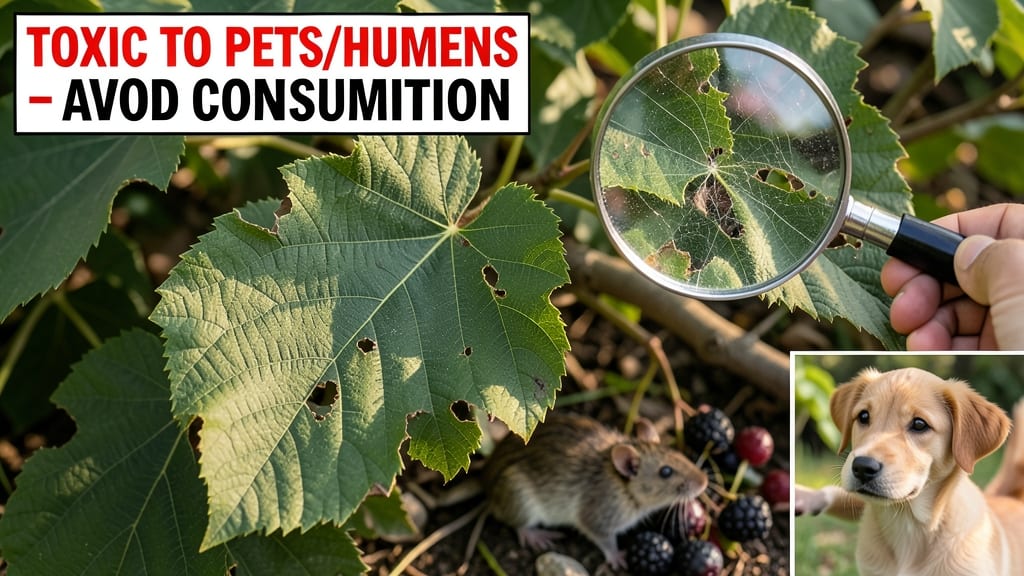
Understanding white mulberry leaf dangers reveals that consuming these leaves raw can introduce harmful compounds like morusin and kuwanon G, which may trigger digestive distress, allergic responses, or even liver irritation in both humans and animals. Proper preparation methods significantly lower these risks.
White mulberry leaves contain natural compounds that become problematic when ingested in their raw form. 🌿 The toxins primarily affect the digestive system, causing symptoms like nausea, vomiting, or skin irritation in sensitive individuals.
However, cooking—especially boiling or fermenting—can neutralize up to 80% of these harmful substances, making them safer for consumption. It's crucial to note that pets and livestock are particularly vulnerable due to their lower tolerance for plant toxins.
For those curious about culinary uses, traditional Asian recipes often incorporate cooked mulberry leaves in small amounts, but moderation remains key. Always source leaves from trusted suppliers and avoid consuming them raw, even in small quantities.
When in doubt, consult a healthcare professional, especially if you're considering supplements or large-scale consumption.
💡 In This Article
- Toxic Compounds in White Mulberry Leaves
- Safe Consumption: Cooking and Handling Guidelines
Toxic compounds in white mulberry leaves
White mulberry leaves contain several bioactive compounds that become problematic when consumed raw. The primary toxins are morusin and kuwanon G, both belonging to the prenylated flavonoid family. These compounds act as natural defense mechanisms for the tree, deterring herbivores by disrupting cellular processes.
Morusin, in particular, has been shown to inhibit certain enzymes in the digestive tract, which can lead to reduced nutrient absorption and gastrointestinal distress when ingested in large quantities.
Another critical compound is chlorogenic acid, which contributes to the mild toxicity profile. While present in smaller amounts than morusin, it can still provoke allergic reactions in sensitive individuals, particularly those with pre-existing conditions like asthma or eczema.
The leaves also contain trace amounts of alkaloids, which may affect liver function when metabolized. Studies have shown that raw consumption can elevate liver enzymes in some individuals, though the effects are typically mild unless consumed in excessive quantities.
What makes white mulberry leaves unique compared to their red mulberry counterparts is their lower tannin content, which reduces astringency but doesn't eliminate toxicity. The white mulberry's milder flavor profile often leads people to underestimate its risks.
However, the alkaloid concentration in white mulberry leaves can reach up to 0.5-1.2% of leaf dry weight, which is sufficient to cause noticeable adverse effects when consumed raw in amounts exceeding 50-100 grams per day.
The toxicity mechanism primarily involves oxidative stress—the compounds trigger an imbalance between free radicals and antioxidants in the body. This can manifest as inflammation in the digestive tract, leading to symptoms like nausea, diarrhea, or abdominal cramping.
In livestock, these compounds have been linked to reduced feed efficiency when consumed in large quantities over time, though acute poisoning is rare with proper handling.
Interestingly, the seasonality of the leaves also affects toxicity levels. Young, tender leaves in spring contain higher concentrations of these compounds compared to mature leaves later in the season.
This is why traditional preparations often specify using older leaves for culinary purposes, as they've had more time to metabolize some of the more potent toxins through natural processes.
For those considering mulberry leaf tea or supplements, it's important to understand that even processed forms can retain some toxicity. Commercial products often undergo steam treatment or fermentation, which can reduce harmful compounds by up to 60-70%, but never completely eliminate them.
The key is moderation—consuming no more than 1-2 teaspoons of dried leaves per cup and avoiding regular consumption without proper preparation.