
Pests
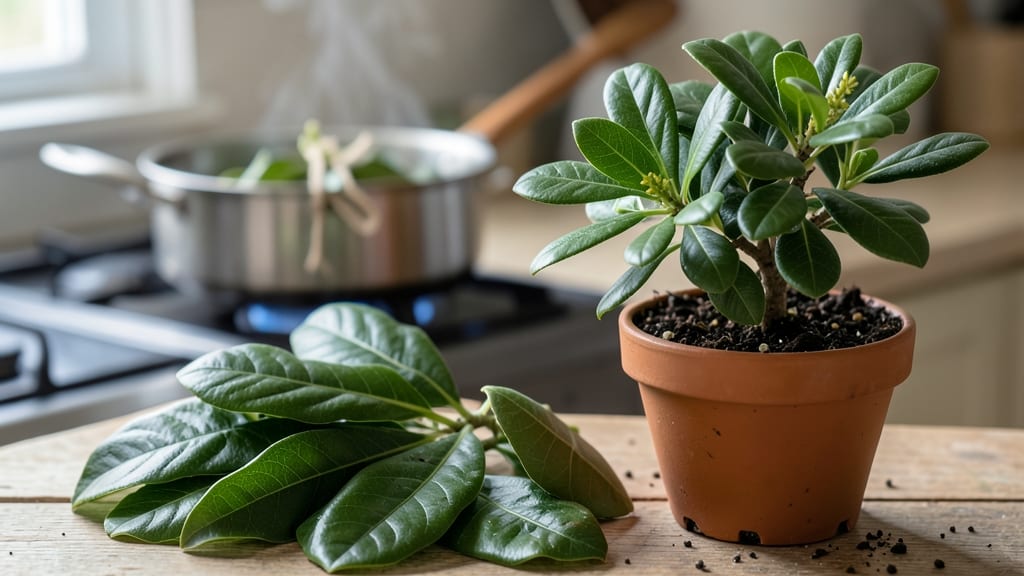
To find a bay leaf, check your local grocery stores like Walmart, Kroger, or Whole Foods in the spice aisle or dried herbs section, or order online from Amazon, Etsy, or specialty spice shops. Fresh bay leaves can also be sourced from farmers' markets or home gardens.
Where can I get a bay leaf? Bay leaves are easier to find than you might think, whether you're looking for dried or fresh varieties.
Most major grocery chains stock them year-round, with dried leaves being the most common option due to their long shelf life. 🌿 Fresh bay leaves, however, offer a more robust flavor and are often sold at specialty markets or by local growers.
If you prefer convenience, online retailers provide bulk options and even subscription services for regular deliveries—perfect for frequent cooks.
For the best quality, I recommend checking the source: dried leaves from bulk bins tend to be fresher than pre-packaged options, while fresh leaves from farmers' markets often come with the added benefit of being pesticide-free.
Many stores also carry organic versions, which can be worth the extra cost for health-conscious cooking.
💡 In This Article
- Best Grocery Stores for Fresh vs Dried Bay Leaves
- Online Shopping Guide for Bay Leaves and Related Herbs
Best grocery stores for fresh vs dried bay leaves
Dried bay leaves dominate supermarket shelves because they maintain their flavor for 1-2 years when stored properly in an airtight container away from light. You'll find them in the spice aisle at nearly every major chain—Walmart, Kroger, and Whole Foods all carry them in both pre-packaged and bulk-bin forms.
Bulk bins often contain fresher leaves since they're less exposed to air, while pre-packaged options may include preservatives to extend shelf life. The key difference? Bulk leaves typically cost $0.10-$0.20 per leaf, while pre-packaged jars average $2-$5 for 10-20 leaves.
Fresh bay leaves, on the other hand, are seasonal (spring to fall) and require refrigeration to last only 1-2 weeks. They're most commonly found at specialty grocery stores like Whole Foods, Trader Joe's, or local co-ops, often priced between $0.50-$1.50 per leaf.
Farmers' markets and home gardens are your best bets for the freshest, most flavorful leaves—they release essential oils more readily when gently crushed, creating that signature aromatic punch in soups and stews. 🌿 What most people don't realize is that fresh leaves contain 30-50% more volatile oils than dried ones, which is why chefs prefer them for delicate dishes.
The organic vs conventional debate matters here. Organic dried bay leaves cost 20-30% more but avoid synthetic pesticides and irradiation treatments sometimes used in conventional processing.
For cooking, organic makes a noticeable difference in dishes where the leaf infuses directly (like tomato sauces) because you're tasting the plant's natural compounds without chemical residues. If you're buying fresh, always inspect for bright green color and firm texture—wilting or yellowing indicates oxidation and diminished flavor.
Pro tip: If your local store doesn't carry bay leaves, ask the produce manager about seasonal availability. Many larger chains source fresh leaves from Mediterranean regions (like Turkey or Greece) during peak harvest months.
For dried leaves, check the "best by" date—anything older than 6 months may have lost potency, especially if stored in clear containers exposed to light. The aroma test is foolproof: crush a leaf between your fingers—strong, piney scent means freshness; weak or musty smell means it's past its prime.
Consider these key factors when choosing:
- For convenience: Pre-packaged dried leaves from Walmart or Kroger's spice aisle (check for "100% pure" labels)
- For quality: Bulk bins at Whole Foods or local co-ops (ask when they were last restocked)
- For freshness: Farmers' markets or specialty stores (look for leaves still attached to stems)
- For organic: Trader Joe's or online specialty spice shops (verify USDA Organic certification)
For home gardeners, bay trees thrive in USDA zones 7-10 and can produce leaves for 10+ years with minimal care. A single mature tree yields hundreds of leaves annually—perfect for stocking your pantry year-round. 🌱 The trade-off?
Fresh leaves require immediate use or proper drying (hang bundles upside down for 2-3 weeks in a dark, dry place) to preserve their oils.