
Pests and Diseases
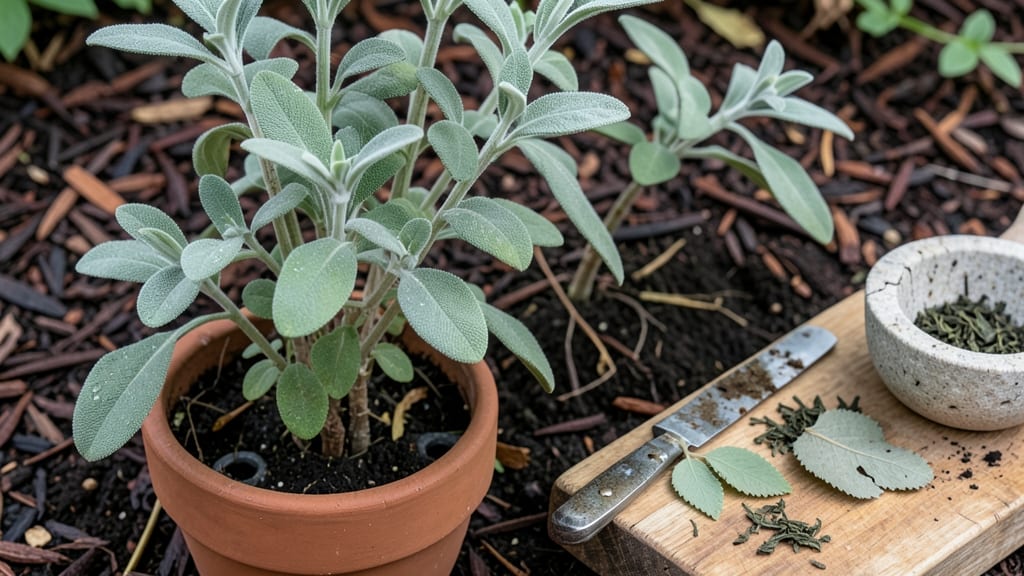
What is sage leaf used for? It’s your garden’s secret weapon—far more than just a kitchen staple. 🌿 Whether you’re growing it for its piney aroma, medicinal properties, or pest-deterring powers, this hardy perennial delivers year after year with minimal effort. My first harvest taught me how versatile it really is: from seasoning roasted meats to warding off cabbage moths, this plant earns its keep in every season.
The real magic happens when you harvest correctly. Pinch off tender leaves in the morning after dew dries, or snip stems just above a leaf node to encourage bushier growth. Drying sage is simple: bundle stems and hang upside down in a dark, well-ventilated spot for 2-3 weeks.
Store dried leaves in airtight containers where they’ll keep their flavor for up to a year—perfect for winter cooking or pest-repellent sachets.
In the kitchen, sage shines as a rub for chicken, a tea for sore throats, or even a garnish for buttered pasta.
But in the garden, it’s a game-changer: crush fresh leaves to deter pests like carrot flies and aphids, or plant it near roses to keep black spot at bay. The scent alone keeps deer and rabbits away, making it a low-maintenance border plant that doubles as a natural pesticide.
For maximum yield, prune your sage plant in early spring to encourage new growth, and avoid overwatering—it thrives on neglect. Whether you’re drying bundles for winter or snipping fresh leaves for summer dishes, sage’s dual-purpose nature makes it one of the most rewarding plants to grow.
Start small, and you’ll wonder how you ever lived without it.
📚 In This Guide
- What you need
- Instructions
- Tips and common mistakes
- Wrapping up and next steps
What you need
- ● Fresh or dried sage leaves: For culinary uses: 1–2 tbsp fresh (or 1 tsp dried) per recipe (e.g., stuffing, soups, or teas).
- ● For medicinal remedies: 1–2 tbsp fresh/dried per cup of water (adjust based on potency needed).
- ● For pest repellent: ½ cup fresh/dried leaves (crushed or whole).
- ● Water: Filtered or distilled (1–2 cups, depending on use).
- ● Containers: Glass jars or bowls (for drying, steeping, or storing).
- ● Spray bottle (for pest-repellent sprays; 8–16 oz).
- ● Heat source: Stovetop, microwave, or slow cooker (for infusions or cooking).
- ● Chef’s knife or scissors: For chopping fresh sage (sharp pair for precision!).
- ● Mortar and pestle: To crush dried sage for stronger remedies or pest deterrents.
- ● Cheesecloth or fine strainer: For straining sage-infused oils or teas.
- ● Food processor: For large batches of dried sage (blend into powder for easy storage).
- ● Labeling supplies: Masking tape + marker (to label jars with dates/uses).
- ○ Essential oils (optional): Like lavender or citrus (combine with sage for enhanced pest-repellent sprays).
How to use fresh sage leaves in your kitchen and garden
Sage isn't just a kitchen staple—it's a versatile powerhouse with uses that go beyond seasoning.
🌿 Step 1: Identify and Harvest Fresh Sage Leaves
Pick leaves from healthy, mature sage plants (either garden-grown or store-bought). Look for vibrant green, fragrant leaves—avoid any that look yellowed or wilted. I always harvest in the morning after the dew has dried, when the oils are most potent. Pinch off individual leaves or small sprigs with your fingers, leaving at least half the stem attached to encourage bushier growth.
For culinary use, you'll want about ¼ cup fresh leaves per pound of meat or 1-2 tablespoons chopped for soups and sauces. If harvesting from your garden, avoid taking more than ⅓ of the plant at once—sage regenerates slowly, and overharvesting stresses the plant. Store fresh leaves in a sealed container in the fridge for up to 1 week or freeze them in an ice cube tray with water for easy use later.
✂️ Step 2: Culinary Uses for Sage Leaves
Sage shines in savory dishes, but its uses go far beyond poultry seasoning. For roasted meats, sprinkle ½ teaspoon finely chopped leaves directly on pork chops or sausages before roasting—it infuses the meat with deep, earthy flavor. I also love adding sage to butter for bread dipping: melt ½ cup butter, stir in 1 tablespoon chopped sage, and let it cool slightly before serving.
For pasta or risotto, sauté 2 tablespoons chopped sage in olive oil until fragrant (about 30 seconds) before adding other ingredients. The leaves will crisp slightly, adding texture and aroma. Sage also pairs beautifully with apples—try adding 1 teaspoon chopped leaves to apple sauce or baked apples for a warm, herbal note. Always remove whole leaves after cooking unless you're making tea—crushed leaves can turn bitter.
💧 Step 3: Medicinal Uses for Sage Infusions
Sage has been used for centuries to support digestion and throat health. For a simple infusion, steep 1 tablespoon fresh leaves in 1 cup boiling water for 5-10 minutes. Strain and drink up to 3 times daily to soothe sore throats or aid digestion. I keep a small jar of dried sage on hand for quick infusions—just crush the leaves before steeping to release more flavor and medicinal compounds.
For external use, create a sage compress by steeping ½ cup leaves in 2 cups hot water, straining, and letting it cool. Apply to minor skin irritations or use as a facial toner (the astringent properties help tighten pores). Never ingest sage essential oil—always use fresh leaves or culinary-grade dried sage for infusions to avoid toxicity.
🪴 Step 4: Pest-Repellent Garden Applications
Sage's strong aroma naturally deters pests like cabbage moths, carrot flies, and even mosquitoes. Place 3-4 sprigs of fresh sage near vulnerable plants or hang small bundles in your garden. For a longer-lasting solution, dry sage leaves and crush them into a powder, then sprinkle lightly around plant bases. Reapply every 2-3 weeks or after heavy rain.
You can also create a sage spray by steeping 1 cup fresh leaves in 2 cups boiling water>, straining, and mixing with 1 teaspoon mild dish soap. Spray around garden edges to repel flying insects. This works especially well for protecting herbs like basil and cilantro, which sage helps deter pests from without harming beneficial insects.
Tips & tricks for perfect sage leaf applications
These practical insights will help you maximize fresh sage's potential in every setting—kitchen, garden, and beyond.
Harvesting Timing: Morning is truly the golden hour for harvesting sage. The leaves contain the highest concentration of essential oils right after dew has evaporated but before the midday heat. If you must harvest later in the day, do it in the late afternoon when temperatures start to drop—this preserves the aromatic compounds that make sage so special. Remember, the ¼ cup per pound of meat guideline works best with freshly harvested leaves, so plan ahead for your culinary projects.
Culinary Technique: When using sage in cooking, less is often more—especially with delicate dishes. For that ½ teaspoon on roasted meats, I find the best approach is to sprinkle it directly over the meat just before roasting. The heat will release the oils perfectly, creating that signature earthy aroma without overpowering. For the 2 tablespoons in pasta dishes, sautéing until fragrant (about 30 seconds) is key—this is where you get that beautiful crisp texture that elevates the dish.
Medicinal Preparation: The 5-10 minute steeping time for infusions is a sweet spot—any longer risks bitterness, especially with fresh leaves. For maximum potency, crush the leaves slightly before steeping to release more of the beneficial compounds. I like to use a mortar and pestle for this step, as it's gentle on the leaves while effectively breaking cell walls. Store your dried sage in an airtight container away from light to preserve its medicinal properties for up to a year.
Garden Strategy: For pest control, I've found that combining fresh sprigs with dried powder works best. Place fresh sprigs near vulnerable plants and sprinkle the dried powder around the base—this creates both an immediate and long-term deterrent. The 2-3 week reapplication rule is crucial, especially after rain, as water can wash away the protective oils. For the spray recipe, use a fine mist setting on your spray bottle to ensure even coverage without damaging plant leaves.
Pro Tips for What Is Sage Leaf Used For
- These practical insights will help you maximize fresh sage's potential in every setting—kitchen, garden, and beyond.
- Harvesting Timing: Morning is truly the golden hour for harvesting sage.
- Culinary Technique: When using sage in cooking, less is often more—especially with delicate dishes.
Frequently asked questions
Got questions about sage leaf? You’re not alone!
Whether you’re curious about its uses, safety, or how to make the most of it, we’ve got answers. Here are some of the most common queries—plus quick tips to help you get the most out of this versatile herb.
Can you eat sage leaves fresh or do they need to be dried first?
You can absolutely eat fresh sage leaves! They’re mild and slightly peppery, perfect for garnishing dishes, blending into pesto, or adding to salads. However, dried sage has a more concentrated, earthy flavor—ideal for cooking. Pro tip: If using fresh, add it late in cooking to preserve its vibrant taste.
How long does dried sage last, and how should I store it?
Dried sage keeps its potency for 1–2 years if stored properly. Keep it in an airtight container (like a jar or bag) in a cool, dark place—like your pantry or fridge. For extra freshness, freeze it in ice cube trays with a bit of oil, then transfer to a freezer bag. Freeze tip: Label with the date to track freshness!
Is sage leaf effective against pests like mosquitoes or ants?
Yes! Sage’s strong aroma naturally repels pests. For mosquitoes: Burn dried sage leaves (safely!) or crush fresh leaves to release oils. For ants: Sprinkle crushed leaves near entry points or mix with water for a spray. Bonus: It’s pet-friendly, unlike some chemical repellents.
What’s the best way to use sage in cooking—whole leaves or chopped?
It depends on the dish! Whole leaves are great for infusing oils, stuffing poultry, or making tea. Chopped sage works best in sauces, soups, or sautéed dishes. For maximum flavor, toast the leaves in a dry pan for 30 seconds before adding to recipes.
Are there any risks or side effects of using sage?
Sage is generally safe, but moderation is key. Large doses (especially essential oils) may cause nausea or allergic reactions. Avoid internal use during pregnancy or if you have epilepsy (sage may interact with medications). Patch test: Apply diluted essential oil to your skin first if unsure.
Wrapping up and next steps
From culinary flavor-boosting to natural pest control and medicinal remedies, sage leaf is truly a versatile powerhouse! 🌿 Whether you're simmering it in soups, crafting homemade cleaning sprays, or brewing soothing teas, its benefits are as diverse as they are practical.
Now that you know its many uses, why not try one today? Start small—add fresh sage to your next meal, or whip up a simple homemade spray for your garden. The possibilities are endless, and your home (and health) will thank you!