
Pests
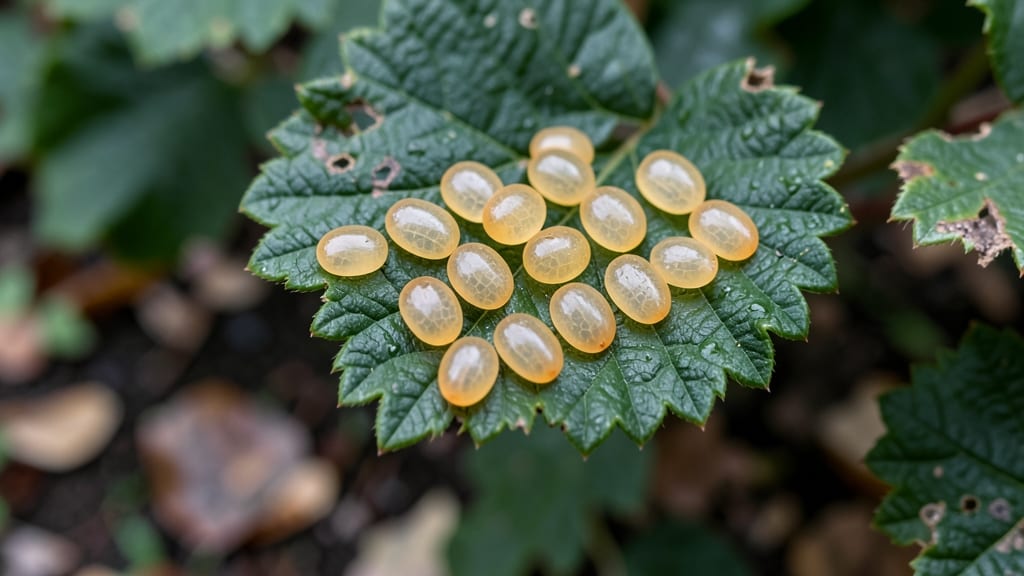
Spotting tiny viburnum leaf beetle eggs clustered on your viburnum leaves?
Those are the eggs of the viburnum leaf beetle—and if you don’t act now, your shrubs could be skeletonized by summer. 🌿 I’ve seen this beetle turn lush viburnums into sad, chewed-up shadows in just weeks, but scraping them off before they hatch is the key to saving your plants.
The eggs look like tiny grains of rice, stuck to the undersides of leaves in neat rows. They hatch in 7-10 days, so time is critical. Most gardeners miss them because they’re so small—until the larvae arrive, and then it’s too late.
The good news? A stiff brush and soapy water can remove 90% of them before they become a full-blown infestation.
By acting now, you’ll stop the beetles before they even start chewing. Your viburnums will stay green, healthy, and full all season, with no need for harsh sprays. The secret is checking leaves every 3-4 days during warm weather—it’s the only way to catch them early.
This method works for all viburnum varieties, from Viburnum dentatum to V. opulus, and it’s safe for bees and other beneficial insects. Once you’ve scraped the eggs, focus on preventative sprays like neem oil to keep future beetles away—your shrubs will thank you for years.
Root Causes Of Egg Presence
Viburnum leaf beetle eggs don’t just appear by chance—they’re the result of a deliberate, highly strategic reproductive cycle by Pyrrhalta viburni, an invasive pest with a knack for targeting ornamental viburnum shrubs.
Understanding why these tiny, orange eggs end up on your plants helps you disrupt their lifecycle before they hatch into hungry larvae. Here’s why this problem happens—and how the beetles exploit your garden’s weaknesses.
The beetles time their egg-laying perfectly to coincide with viburnum’s most vulnerable growth stages. Here’s the science behind their calendar:
- Early Spring Awakening: As viburnum buds swell (typically March–May, depending on climate), adult beetles emerge from overwintering sites like leaf litter, mulch, or bark crevices. Their primary goal? Find fresh foliage to feed on and lay eggs on. The plant’s new growth is tender, nutrient-rich, and defenseless against the beetles’ voracious appetite.
- Egg-Laying Peak: Females prefer to deposit eggs on the undersides of leaves, especially near leaf veins or midribs, where moisture and shelter protect them. They lay clusters of 20–50 eggs in a single batch, often overlapping with other beetles—creating a perfect storm of defoliation once larvae emerge.
- Climate Triggers: Warmer temperatures (above 50°F/10°C) signal beetles to start mating and laying eggs. Rainfall can also soften leaves, making them easier for females to scrape and attach eggs to. Drought stress in viburnum can paradoxically make plants more attractive to beetles, as stressed foliage may emit different chemical cues.
Actionable Insight: Monitor your viburnum’s growth cycle and inspect leaves weekly during bud break. If you notice adult beetles (small, metallic blue-green with orange legs) on your plants, act immediately—they’ll lay eggs within days.
The beetle’s life cycle is a highly efficient survival strategy, but it also creates a window of opportunity for gardeners to intervene. Here’s why eggs are the weakest link in their lifecycle:
- Rapid Development: Eggs hatch in 7–14 days under ideal conditions (warmth + humidity), meaning larvae appear suddenly. This short window is why scraping and drowning eggs is so effective—it buys you time to stop the next generation.
- No Natural Predators (Yet):strong> While birds and parasitic wasps may eat some eggs, they’re not reliable enough to control outbreaks. The beetles’ invasive status means local ecosystems haven’t evolved defenses against them.
- Chemical Cues: Viburnum leaves release volatile organic compounds (VOCs) that attract adult beetles. Once they feed, they’re primed to lay eggs on the same plant, creating a feedback loop of damage.
Pro Tip: 🌡️ Track local temperatures using a garden thermometer. Eggs hatch fastest when soil temps reach 60°F (15°C)—stay ahead by treating eggs before this threshold is met.
Not all viburnum shrubs are equally at risk. Beetles target plants that are already stressed or genetically susceptible. Here’s what makes your viburnum a buffet:
| Factor | Why Beetles Love It | How to Fix It |
|---|---|---|
| Young or New Growth | Tender leaves are easier to scrape and provide more nutrients for developing eggs. | Prune before bud break to remove weak growth; avoid heavy nitrogen fertilizer. |
| Drought-Stressed Plants | Stressed viburnum emits distress signals (like ethylene gas) that attract beetles. | Mulch deeply (2–3 inches) and water deeply 1–2x/week during dry spells. |
| Overcrowded Shrubs | Poor airflow = higher humidity = ideal egg-laying conditions. | Thin out branches to improve circulation; avoid planting viburnum too closely together. |
| Species Susceptibility | Some viburnum varieties (e.g., Viburnum lantana, V. opulus) are highly attractive to beetles. | Choose resistant cultivars like Viburnum burkwoodii or V. carlesii if beetles are a recurring issue. |
Key Takeaway: Healthy viburnum isn’t immune, but a well-maintained plant is far less appealing to beetles. Prevention starts with cultural care—not just reactive treatments.
By understanding these root causes, you can shift from a reactive approach (treating larvae after the damage is done) to a proactive one (disrupting the egg stage before it becomes a crisis). The beetles’ reliance on timing and plant health gives you the upper hand—if you act fast.
Beat Back Beetle Eggs Before They Hatch
Discovering viburnum leaf beetle eggs on your prized shrubs can feel like a ticking time bomb—once those larvae emerge, damage spirals fast. The good news? With quick action, you can stop the cycle before it starts.
Below, we break down practical, step-by-step solutions tailored to the root causes of infestations, plus prevention tips to keep your viburnums thriving.
If you’ve spotted clusters of tiny orange or yellow eggs on the undersides of leaves (usually in spring or early summer), act immediately. These eggs hatch in 7–14 days, so delay = more work later.
🍳 Step 1: Gather Your Tools
You’ll need:
- 🔪 Sharp scissors or pruning shears (sterilized with rubbing alcohol)
- 🧽 A bucket of soapy water (1 tbsp dish soap per gallon of water)
- 🧤 Gloves (to avoid skin irritation from beetle fluids)
- 📝 A notepad (to track treated areas)
👨🍳 Step 2: Remove Eggs Manually
Follow these 3 key zones for maximum coverage:
- Undersides of leaves: Use scissors to clip off leaves with egg masses. Drop them directly into the soapy water bucket—no rinsing!
- Stems and buds: Inspect crevices where eggs may hide. Scrape off clusters with a fingernail or tool, then dispose of them.
- New growth tips: Beetles love tender shoots. Trim back 1–2 inches of affected growth and submerge in soapy water.
Pro Tip: 💡 Work on a cloudy day—beetles are less active, and you’ll avoid attracting their attention with vibrations or shadows.
🥘 Step 3: Dispose of Eggs Properly
Never compost or toss eggs in yard waste—they can survive and re-infest. Instead:
- ✅ Soapy water bucket: Stir the bucket to ensure eggs drown (soapy water breaks down their protective coating).
- ✅ Sealed plastic bag: If you prefer, place clipped leaves in a bag, then freeze for 48 hours to kill eggs before disposal.
- ❌ Avoid burning: Smoke can spread eggs to nearby plants.
If your viburnum is heavily infested (e.g., eggs on <50% of leaves) or you’ve missed the window for manual removal, targeted pesticides can help. Focus on egg-stage treatments for best results.
🎯 Option 1: Horticultural Oils (Best for Prevention)
Apply dormant or summer oils (like neem oil or petroleum-based oils) before eggs hatch. These suffocate eggs without harming beneficial insects.
- 📅 When to use: Apply in late winter/early spring (before egg-laying season) or immediately after detecting eggs.
- 💦 How to apply:
- Mix 1–2% oil concentration (follow label instructions).
- Spray evenly on both leaf surfaces, focusing on new growth.
- Reapply every 7–10 days during egg-laying season.
- ⚠️ Caution: Avoid spraying on hot days (>90°F)—oils can burn foliage.
🔪 Option 2: Systemic Insecticides (For Severe Cases)
If larvae have already hatched (or you’re dealing with a recurring problem), use a systemic insecticide like imidacloprid or dinotefuran. These are absorbed by the plant and kill beetles as they feed.
- 🌱 How to apply:
- Follow label rates for soil drench or trunk injection.
- Apply 6–8 weeks before you expect eggs to hatch (e.g., late winter for spring infestations).
- ⚠️ Limitations:
- ❌ Not effective on eggs already laid—use only for prevention.
- ❌ Avoid in pollinator-friendly gardens—systemics can harm bees.
An ounce of prevention beats a pound of cure—especially with viburnum leaf beetles, which can return year after year. Build a defense plan with these low-effort strategies:
🌿 Cultural Controls (Nature’s Pest Barrier)
Make your viburnums less appealing to beetles with these simple garden tweaks:
- 🌱 Prune strategically:
- Remove damaged or skeletonized leaves year-round (beetles overwinter in leaf litter).
- Thin out dense growth to improve air circulation (beetles thrive in shaded, humid conditions).
- 💧 Water wisely:
- Keep soil consistently moist (but not soggy)—beetles prefer stressed plants.
- Avoid overhead watering in late afternoon (encourages fungal diseases that weaken viburnums).
- 🌞 Optimize sunlight:
- Plant viburnums in full sun to partial shade—beetles are less active in bright, open conditions.
🐝 Encourage Natural Predators
Boost the good guys in your garden to eat beetle eggs and larvae:
- 🐞 Lady beetles (ladybugs): Attract them with neighborhood plants like dill, fennel, or yarrow.
- 🐝 Parasitic wasps: These lay eggs inside beetle larvae. Avoid broad-spectrum pesticides to protect them.
- 🦋 Birds: Install a bird feeder or bath near your viburnums—birds
Frequently asked questions
How do I know if the tiny orange specks on my viburnum leaves are actually beetle eggs?
Look for clusters of 20-50 tiny oval eggs (about 1mm long) on leaf undersides, often near veins. They’re orange-yellow when fresh but turn darker as they age. Use a 10x magnifying glass—real eggs have a slightly sticky texture when touched gently. If you see these in spring, they’re likely viburnum leaf beetle eggs.
Can I use vinegar to kill the eggs instead of soapy water?
No, vinegar won’t work effectively. The acetic acid won’t penetrate the egg shells like soap does. Stick with 1 tablespoon dish soap per gallon of water—it breaks down the protective coating while being plant-safe. For stubborn cases, add a 1% horticultural oil to enhance suffocation.
What should I do if I find eggs but can't treat them immediately?
Bag the affected leaves in a sealed plastic bag and refrigerate for 48 hours to kill eggs. This buys you time while you gather supplies. If eggs are on more than 30% of leaves, prioritize treating the worst branches first. Remember: eggs hatch in 7-14 days—every day counts!
Will neem oil harm my viburnum if I spray it too often?
Neem oil is safe when used correctly, but never apply more than every 7-10 days during active growth. For viburnums, 2-3 applications per season (spring through early summer) is ideal. Always mix at 1% concentration and avoid spraying on hot days (>90°F) to prevent leaf burn.
How can I tell if my viburnum is already too damaged to save?
Your plant can recover if at least 50% of leaves remain healthy. Look for new growth at the tips—this shows the plant is still active. If 90%+ of leaves are skeletonized or you see blackened stems, the shrub may need replacement. Prune back damaged areas and focus on root care to help recovery.