
Leaf Blower
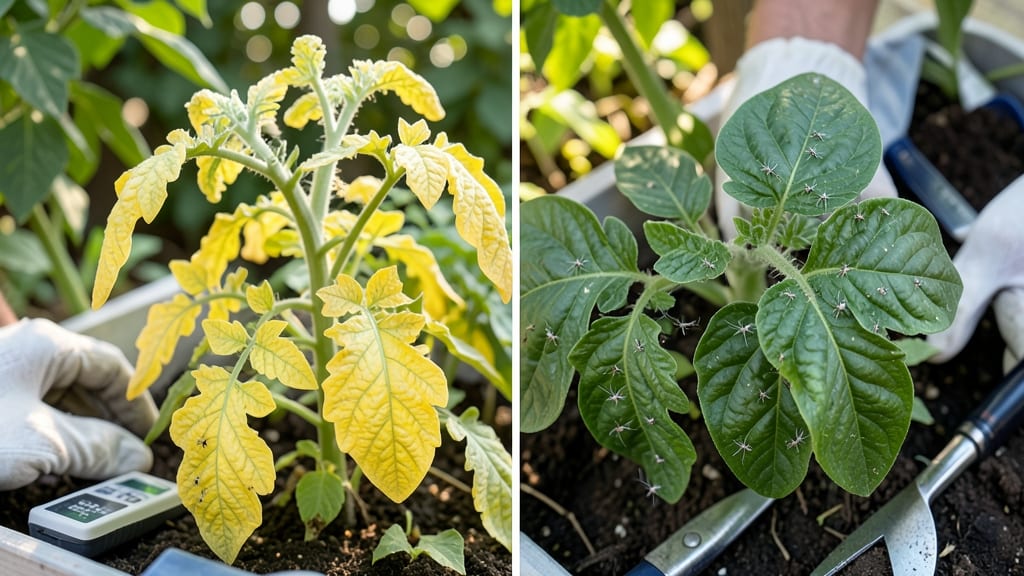
When your tomato leaves show signs of the yellow leaf curl, copper spray is your fastest defense. 🌱 I’ve watched this virus wipe out entire plants in weeks—until I discovered how to slow it down with a simple, effective protocol that works even on late-stage infections.
The problem starts with whiteflies carrying the virus, which thrives in hot, dry summers. You’ll spot curled, yellowing leaves first, then stunted growth and fruit that never ripens.
The good news? Copper spray disrupts the fungal spots that worsen the damage, buying you time to remove infected plants and protect the rest.
Within 7–10 days of consistent spraying, new growth stays green and sturdy. The protocol is simple: mix copper fungicide with water, spray undersides of leaves at dawn (when whiteflies are least active), and repeat every 5–7 days until harvest.
It’s not a cure, but it’s the closest thing to one for home gardeners.
For best results, combine it with yellow sticky traps to catch whiteflies early. Even if some plants succumb, this method saves your entire crop—and your sanity during peak harvest season.
Root Causes Of Leaf Distress
When your tomato plants start showing signs of yellow leaf curl, it’s often a cry for help from their roots, leaves, or even unseen invaders. Understanding the why behind the symptoms is the first step to saving your harvest.
Below, we break down the most common causes—from environmental stressors to sneaky pathogens—so you can diagnose and act fast.
Tomatoes thrive in warmth, but when temperatures soar above 90°F (32°C), they struggle to regulate their internal processes. High heat disrupts photosynthesis, causing chlorophyll to break down and leaves to curl or yellow.
This is especially true if your plants are also water-stressed—a double whammy that accelerates leaf damage.
- Key signs: Yellowing between leaf veins, upward curling, wilting in the heat of the day (but recovering at night).
- Why it happens: Heat stress triggers the plant to close stomata (pores) to conserve water, starving cells of CO₂ and oxygen. Over time, this leads to nutrient deficiencies and leaf discoloration.
- Actionable fix:
- Provide afternoon shade with shade cloth (30-50% coverage).
- Mulch heavily to keep roots cool (straw or grass clippings work well).
- Avoid overhead watering during peak sun—opt for drip irrigation early in the morning.
Water is the lifeblood of tomatoes, but inconsistent moisture—whether from drought or overwatering—can trigger yellowing and curling. The issue isn’t just the amount but the timing and method of watering.
- Underwatering:
- Why it happens: Roots shrink and struggle to absorb nutrients, leading to chlorosis (yellowing) as the plant prioritizes survival over leaf health.
- Signs: Dry, crispy leaf edges, wilting that doesn’t recover overnight.
- Overwatering:
- Why it happens: Soggy soil cuts off oxygen to roots, causing root rot (often fungal). The plant can’t uptake nutrients, leading to yellowing—especially in lower leaves.
- Signs: Mushy stems, yellowing from the bottom up, foul-smelling soil.
- Actionable fix:
- Water deeply but infrequently—aim for 1-1.5 inches per week (check with a trowel: soil should be moist 2-3 inches down).
- Use well-draining soil (amend with compost or perlite if needed).
- Install a soaker hose to deliver water slowly at the base.
Not all leaf curl is environmental—some of the most stubborn cases are caused by pathogens that hijack your plant’s systems. Two of the most common culprits are fungal infections (like early blight) and viral diseases (such as Tomato Yellow Leaf Curl Virus, or TYLCV).
| Cause | How It Spreads | Why Leaves React |
|---|---|---|
| Fungi (Early Blight, Septoria Leaf Spot) | Spores spread via water splashes, contaminated tools, or infected plant debris. Thrives in humid, warm conditions (75-85°F). | The fungus clogs stomata (leaf pores), blocking gas exchange. Leaves curl upward to reduce surface area and slow water loss, but this also traps moisture—perfect for spore growth. |
| Virus (TYLCV) | Transmitted by whiteflies feeding on sap. No cure—once infected, the plant stays sick. | The virus disrupts plant hormones, causing abnormal growth (curls) and phloem necrosis (yellowing veins). The plant’s immune system goes into overdrive, diverting energy from leaves. |
Actionable fix:
- For fungi: Remove infected leaves immediately (don’t compost them!). Apply a copper spray (like the protocol in this article) every 7-10 days in humid conditions. Space plants for airflow and water at soil level.
- For viruses: Prevent whiteflies with yellow sticky traps and neem oil sprays. Remove infected plants ASAP to stop spread. No cure exists—focus on saving nearby healthy plants.
Yellowing leaves can also scream “feed me!”—or “stop choking me!” if you’ve overdone it with fertilizer. Tomatoes need a balanced diet, and imbalances show up fast.
- Nitrogen Deficiency:
- Why it happens: Nitrogen is the building block of chlorophyll. Without enough, leaves lose their green pigment, turning yellow—especially on older leaves (a classic sign).
- Fix: Add compost or a balanced fertilizer (10-10-10) and avoid synthetic nitrogen spikes.
- Magnesium Deficiency:
- Why it happens: Magnesium is central to chlorophyll. A deficiency causes interveinal yellowing (green veins, yellow areas between them). Common in alkaline soils or after heavy rain.
- Fix: Apply Epsom salt (1 tbsp per gallon of water) as a foliar spray or soil drench.
- Over-Fertilizing (Salt Burn):
- Why it happens: Too much fertilizer (especially high in salt) burns root tips, preventing nutrient uptake. Leaves yellow and curl as the plant starves despite excess fertilizer.
- Fix: Flush soil with water to leach excess salts. Reduce fertilizer and switch to organic options (like fish emulsion) for slower release.
Pro tip: Always test your soil before fertilizing! A simple pH test kit (aim for 6.0-6.8) and nutrient analysis can
Quick Fixes for Yellowing Tomato Leaves
If your tomato plants are showing signs of yellow leaf curl, don’t panic—there are practical ways to revive them and prevent further damage. The key is to identify the root cause (whether it’s viral, fungal, or environmental) and apply the right treatment.
Below, we break down targeted solutions for each common cause, along with prevention tips to keep your plants healthy.
Viral infections like TYLCV spread through infected plants and whiteflies, making them tricky to cure. However, you can slow progression and prevent spread with these steps:
🔥 Remove Infected Plants Immediately
- Why? Viruses don’t have a cure, so infected plants will only worsen and spread to others.
- How?
- Pull up or prune affected plants completely (don’t compost them—dispose of them in sealed bags).
- Check nearby plants for early symptoms (yellowing, curling, stunted growth).
🍳 Control Whiteflies (The Virus Spreaders)
Whiteflies carry TYLCV, so eliminating them is critical.
- Natural Sprays:
- Neem oil spray (1 tbsp neem oil + 1 tsp mild soap + 1 quart water).
Spray early morning or late evening to avoid harming bees. - Insecticidal soap (follow label instructions) for a quick knockdown. - Physical Barriers: - Use fine mesh row covers to block whiteflies before they infest. - Yellow sticky traps placed near plants catch adult whiteflies.
👨🍳 Strengthen Plant Resilience
- Boost nutrition with a balanced fertilizer (high in phosphorus and potassium) to help plants fight stress.
- Water deeply at the base (avoid overhead watering to prevent fungal hitchhikers).
- Prune lower leaves to improve airflow and reduce virus spread.
💡 Prevention Tips for Next Season
- Rotate crops—don’t plant tomatoes or peppers in the same spot yearly.
- Start with virus-free seedlings from reputable nurseries.
- Monitor whitefly populations regularly, especially in hot, dry weather.
If yellowing is due to fungal spots (like early blight) or bacterial infections, copper-based treatments can help.
⏰ Apply Copper Spray at First Signs
- DIY Copper Spray Recipe:
- Mix 1 tbsp copper sulfate (or copper fungicide) with 1 gallon of water.
- Add 1 tsp mild soap as a sticker to help it adhere.
- Spray every 7–10 days or after rain (fungi love moisture!).
- Store-Bought Options:
- Copper fungicide sprays (like Bonide Copper Fungicide) are easy to find and effective.
🌡️ Improve Airflow & Reduce Humidity
- Prune overcrowded plants to allow sunlight and air circulation.
- Space plants 18–24 inches apart to prevent fungal spread.
- Water in the morning so foliage dries quickly.
🔪 Remove & Destroy Infected Foliage
- Snip off yellow/curled leaves with sterilized pruners (wipe with rubbing alcohol between cuts).
- Do not compost infected plant debris—burn or trash it.
✨ Prevention for Fungal Issues
- Use mulch (straw or grass clippings) to keep soil moist but not soggy.
- Avoid overhead watering—use drip irrigation instead.
- Rotate crops to break fungal cycles in the soil.
If yellowing is due to poor soil health or watering issues, fix the underlying problem:
📊 Test & Amend Your Soil - Check pH (ideal for tomatoes: 6.0–6.8).
Use a soil test kit or send a sample to a local extension office. - Add compost (2–3 inches mixed into the top 6 inches of soil) for nutrients. - Top-dress with worm castings for slow-release nitrogen.
💪 Adjust Watering Practices
- Overwatering? Let the top 1–2 inches of soil dry out between waterings.
- Underwatering? Water deeply 1–2 times per week (early morning is best).
- Use mulch to retain moisture and regulate soil temperature.
🥗 Provide Proper Support & Staking
- Stake or cage tomato plants to prevent leaves from dragging in damp soil (a fungal magnet).
- Tie stems gently to avoid damaging the plant.
🎯 Prevention for Long-Term Health
- Plant in well-draining soil (avoid clay-heavy areas).
- Fertilize regularly with a low-nitrogen, high-potassium formula (like 5-10-10) to support fruiting.
- Mulch heavily to keep roots cool and soil moist.
For the best results, layer your defenses:
- Prevent whiteflies (viral spread) with neem oil + row covers.
- Treat fungal spots with copper spray + pruning.
- Boost plant health with proper watering, soil, and support.
By acting fast and staying consistent, you can minimize damage and even save some of your tomato crop! 🍅🔥
Frequently asked questions
How can I tell if my tomato plant has Tomato Yellow Leaf Curl Virus (TYLCV) vs. heat stress?
TYLCV shows yellowing between leaf veins and upward curling, while heat stress causes yellowing along veins first. Check for whiteflies (tiny white insects) on undersides of leaves—if present, it’s likely TYLCV. Also, TYLCV spreads quickly between plants, while heat stress affects all plants equally in hot weather.
Will copper spray work if my tomato plants already have curled leaves?
Copper spray helps prevent fungal secondary infections that worsen symptoms, but it won’t reverse TYLCV damage. Use it to protect healthy leaves while you remove infected plants. Focus on controlling whiteflies (the virus carriers) with neem oil or sticky traps to stop further spread.
Can I still harvest tomatoes from plants showing yellow leaf curl?
Yes, but only from healthy-looking fruit already on the plant. New growth may be stunted or deformed. Remove all infected leaves and fruit to prevent virus spread. Wear gloves when handling infected plants to avoid contaminating healthy ones.
How long does it take to see results from copper spray treatments?
You’ll see new growth staying green within 7–10 days if applied correctly. For best results, spray every 5–7 days at dawn (when whiteflies are least active) and always cover undersides of leaves where spores hide.
Are there any organic alternatives to copper spray?
Yes! Try a baking soda spray (1 tbsp baking soda + 1 tsp soap + 1 gallon water) or milk spray (1 part milk to 9 parts water). These help prevent fungal growth but won’t stop TYLCV. For whiteflies, neem oil or insecticidal soap works better as a preventive measure.