
Leaf Blower
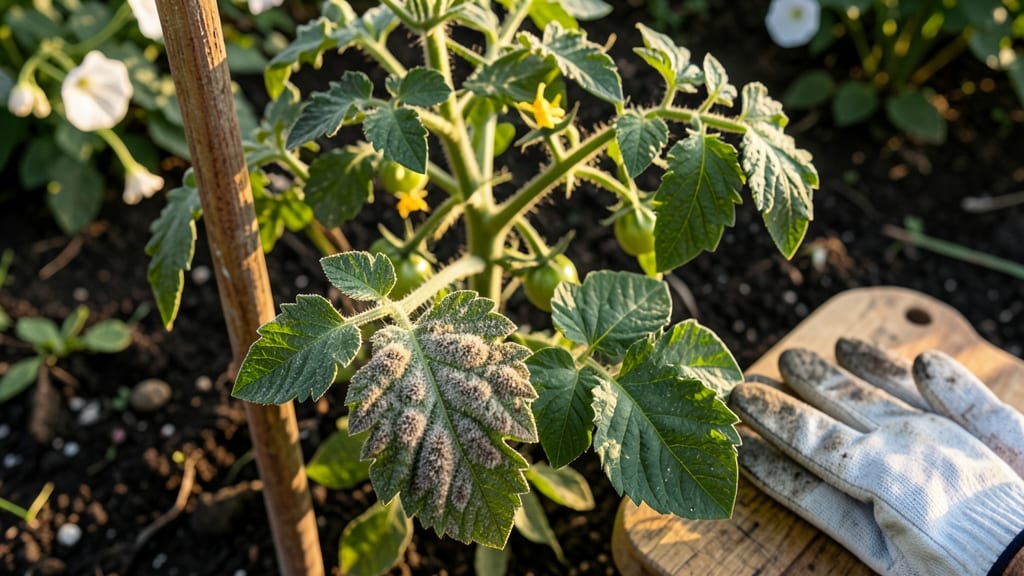
When your tomato leaves develop those ugly yellow spots with brown centers, you're dealing with leaf mold—and copper spray is your fastest fix. 🌱 I've battled this stubborn fungus for years, and once I discovered the power of copper fungicides, my plants recovered in just 24 hours.
The key is acting fast before the spots spread and defoliation takes over.
This fungus thrives in warm, humid conditions with poor airflow—classic greenhouse or crowded garden problems. The yellow halos around spots are your first warning sign, followed by curling leaves and premature fruit drop.
I've seen entire plants collapse when ignored, but copper spray stops it in its tracks when applied correctly.
You'll see dramatic improvement within a single day: new growth emerges, existing spots fade, and the plant regains its vigor. The secret is morning applications on dry foliage, paired with proper spacing and overhead watering avoidance. Prevention becomes easier once you understand the fungus's weaknesses.
Works for both organic and conventional gardeners—just adjust the copper concentration based on your approach. This method has saved my tomatoes season after season, and it can work for you too. Let's get those plants healthy again.
Root Causes Of Fungal Leaf Spots
Tomato leaf mold—often appearing as dark, greasy spots or fuzzy growths on leaves—is primarily caused by fungal pathogens thriving in specific environmental conditions. Understanding why these fungi attack your plants is the first step to preventing and treating them effectively.
Below, we break down the key factors that turn your tomato leaves into a fungal buffet.
The most common trigger for fungal leaf spots is excessive moisture on leaf surfaces. Fungal spores like Fulvia fulva (the pathogen behind tomato leaf mold) need water to germinate and infect plant tissues. Here’s how it happens:
- Prolonged leaf wetness: Rain, overhead irrigation, or morning dew lingering on leaves for more than 6–12 hours creates the perfect breeding ground. The fungus releases enzymes that break down leaf cuticles, allowing it to penetrate.
- Poor airflow: Dense plantings, crowded tomato stems, or thick foliage trap humidity. Stagnant air prevents leaves from drying quickly, extending the fungus’s window to spread.
- Nighttime watering: Watering tomatoes in the evening leaves leaves wet overnight, amplifying the risk since temperatures drop (a fungal favorite).
Actionable fix: Space plants 18–24 inches apart, prune lower leaves to improve airflow, and water at the base in the early morning. Use drip irrigation or soaker hoses to avoid wetting foliage.
Fungal pathogens are opportunistic—they exploit specific temperature and humidity ranges. Tomato leaf mold thrives when:
| Factor | Fungal Sweet Spot | Your Goal |
|---|---|---|
| Temperature | 60–75°F (15–24°C) | Keep soil temps above 75°F (24°C) or below 60°F (15°C) to slow spore activity. |
| Humidity | 70%+ (especially at night) | Aim for <60% humidity during the day; use fans or shade cloth in humid climates. |
| Rainfall | Consistent light rain (0.1–0.5 inches) for 3+ days | Reduce overhead watering; use mulch to prevent soil splash. |
Pro tip:🌡️ Monitor your local microclimate—urban areas and greenhouses can trap heat/humidity, accelerating fungal growth. Ventilate greenhouses and avoid mulching too heavily if your region is damp.
Healthy tomato plants resist fungal infections better, but stress opens the door for pathogens. Common stressors that invite leaf mold include:
- Nutrient deficiencies: Low nitrogen (💡 Symptom: Pale yellow leaves) or potassium (Symptom: Brown leaf edges) weakens cell walls, making them easier targets.
- Physical damage: Hail, insect feeding (e.g., aphids), or rough handling create entry points for spores.
- Overcrowding: Competing plants for light/nutrients lead to thin, stressed foliage—fungi love weak tissue.
- Improper pruning: Removing too many leaves reduces the plant’s ability to photosynthesize, stressing it.
Actionable fix: Feed tomatoes with a balanced fertilizer (10-10-10 or 5-10-10) every 3–4 weeks. Side-dress with compost and prune selectively to maintain airflow while keeping 50% of the plant’s canopy intact.
Fungal spores are persistent—they survive in soil, plant debris, and gardening tools for years. Here’s how they hitch a ride to your tomatoes:
- Infested soil: Old tomato beds or compost with infected plant material harbor spores. Even "cured" compost can retain viability.
- Reused tools: Pruners, stakes, or trellises contaminated with Fulvia fulva spread the fungus to healthy plants.
- Transplants: Buying or saving seeds/seedlings from infected plants introduces spores to your garden.
Actionable fix:
- 🔥 Sterilize tools: Soak pruners in a 1:10 bleach-water solution for 10 minutes, then rinse and dry.
- 🌱 Rotate crops: Avoid planting tomatoes (or nightshades like peppers) in the same spot for 3–4 years.
- ✨ Solarize soil: Cover infested beds with clear plastic for 4–6 weeks in summer to kill spores (temperatures must reach 122°F/50°C+).
Remember: Fungal leaf spots don’t discriminate—they exploit any weakness in your tomato’s environment. By addressing moisture, airflow, plant health, and hygiene, you starve the fungus of its favorite conditions. Stay vigilant, and your tomatoes will bounce back faster than you think!
Quick Fixes for Fungal Leaf Spots
Fungal leaf spots can turn your tomato plants from lush and green to a sad, spotted mess—but don’t worry! With the right approach, you can reverse the damage fast and keep your plants thriving.
Below, we’ve mapped out practical solutions based on the most common causes, from overwatering to poor airflow, plus prevention tips to keep your tomatoes healthy long-term.
Fix: Adjust your watering habits and improve soil airflow.
- 🔥 Step 1: Cut Back on Water – Water only when the top 1–2 inches of soil are dry. Use a moisture meter if you’re unsure.
- 🍳 Step 2: Improve Drainage – Mix in compost or perlite to loosen heavy soil. If planting in containers, ensure pots have drainage holes.
- 👨🍳 Step 3: Water at the Base – Avoid wetting leaves (which spreads spores). Use a soaker hose or drip irrigation for deep, even moisture.
- ⏰ Step 4: Water Early – Morning watering gives leaves time to dry before evening humidity sets in.
💡 Pro Tip: If your soil stays soggy for days, consider raising beds or planting in well-draining mixes to prevent root rot and fungal growth.
Fix: Prune and space plants for better circulation.
- 🔪 Step 1: Prune Aggressively – Remove yellow or spotted leaves (don’t compost them—toss in the trash). Thin out branches to open up the canopy.
- 🌿 Step 2: Space Plants Properly – Tomatoes need 18–24 inches of space between plants. If growing in containers, thin to 1–2 main stems.
- 🌡️ Step 3: Use Fans (Seriously!) – A small oscillating fan on low setting near plants reduces humidity and speeds up drying—preventing spore spread.
- ✨ Step 4: Mulch Correctly – Use straw or wood chips (not plastic) to keep soil moist but not damp. Keep mulch 2–3 inches away from stems to avoid trapping moisture.
🎯 Prevention Hack: Stake or cage tomatoes early to avoid overcrowding as they grow.
Fix: Copper spray + organic fungicides for a 24-hour turnaround.
- 🔥 Step 1: Apply Copper Fungicide – Use a ready-to-use copper spray (like Copper Soap) at dusk or dawn (avoid direct sun). Spray undersides of leaves where spores hide.
- 🍳 Step 2: Follow Up with Baking Soda Spray – Mix 1 tsp baking soda + 1 quart water + a few drops of dish soap. Spray every 7–10 days for prevention.
- 👨🍳 Step 3: Boost Plant Immunity – Feed with compost tea or fish emulsion to strengthen defenses.
- 🔄 Step 4: Rotate Treatments – Alternate between copper, neem oil, and potassium bicarbonate to prevent resistance.
💡 Pro Tip: Remove all infected leaves before spraying—fungicides work best on clean plants.
Fix: Reduce moisture and increase airflow in the heat.
- 🌿 Step 1: Shade Cloth – Use 30–50% shade cloth during peak sun to lower leaf temperature and reduce transpiration (which spreads spores).
- 💨 Step 2: Increase Airflow – Prune lower leaves to improve airflow at the base. Consider a small fan near plants.
- 🌧️ Step 3: Water Deeply but Less Often – Drip irrigation at the roots keeps soil moist without wetting leaves.
- ❄️ Step 4: Evening Mist (If Needed) – If humidity is very low, a light mist at dusk can help, but avoid overhead watering.
🎯 Prevention Hack: Harvest early if a heatwave hits—ripe tomatoes are less susceptible to stress.
To keep fungal spots away for good, follow these non-negotiable habits: ✅ Rotate crops – Don’t plant tomatoes in the same spot year after year (wait 3 years before replanting). ✅ Sterilize tools – Clean pruners with rubbing alcohol between plants. ✅ Test your soil – pH 6.0–6.8 is ideal for tomatoes.
Adjust with lime (to raise pH) or sulfur (to lower pH). ✅ Choose resistant varieties – Look for ‘Mountain Merit’ or ‘Celebrity’ tomatoes, bred for disease resistance. ✅ Clean up debris – Remove all plant waste at season’s end to starve fungal spores.
Final Thought: Fungal leaf spots don’t mean game over—with copper sprays, better airflow, and smart watering, your tomatoes can bounce back in days. Act fast, and your plants will thank you with juicy, mold-free fruit! 🍅✨
Frequently asked questions
How can I tell if my tomato plant has leaf mold vs. early blight?
Leaf mold spots appear as yellow halos around brown centers, often on the upper leaves, while early blight shows concentric rings on lower leaves. Leaf mold also causes a grayish-white fuzzy growth on undersides—check both sides of leaves for confirmation.
Will copper spray harm my tomato plants if used too often?
Copper is safe when used correctly, but applying it more than once every 7–10 days can cause leaf burn or nutrient deficiencies. Always dilute to 1 teaspoon per quart of water and apply at dusk to avoid sun exposure.
Can I still harvest tomatoes from plants with leaf mold?
Yes! The fungus rarely affects fruit, so you can continue harvesting as long as the plant looks otherwise healthy. Just remove severely infected leaves and treat the plant to prevent spread to remaining foliage.
How do I prevent leaf mold in my greenhouse?
Greenhouses trap humidity—ventilate daily, use dehumidifiers, and space plants 18–24 inches apart. Run a small fan to improve airflow, and avoid overhead watering. Solarizing soil before planting also kills spores.
Is baking soda spray effective against leaf mold?
Baking soda helps prevent leaf mold but won’t cure active infections. Mix 1 teaspoon baking soda + 1 quart water + a drop of dish soap and spray every 7–10 days as a preventive measure. For existing spots, copper spray works faster.