
Planting
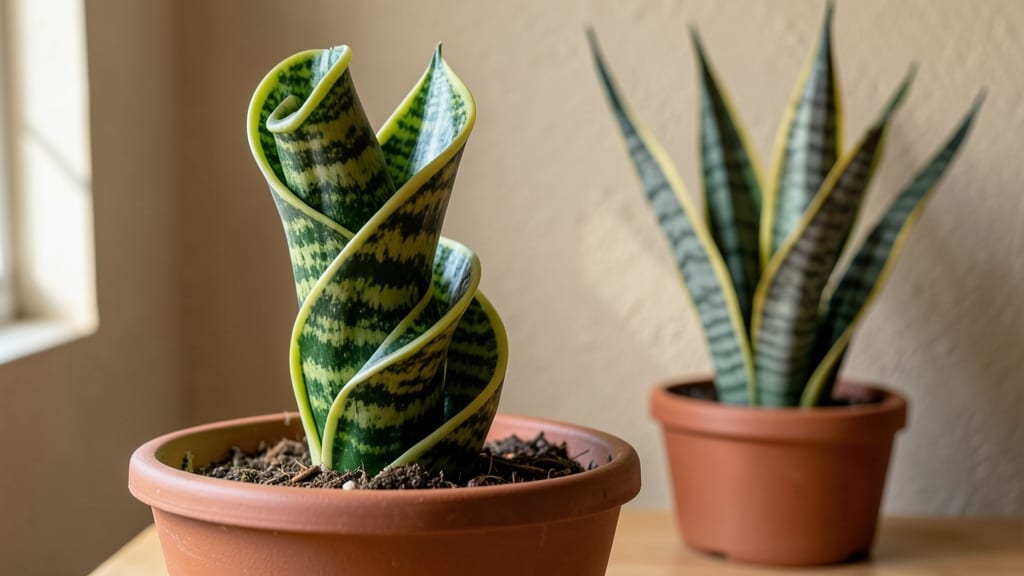
Growing a spiral leaf plant turns your home into a tropical escape with its bold, split leaves and minimal care demands. 🌿 I’ve watched mine go from a tiny cutting to a 6-foot statement plant in just three years—no fancy pruning required.
The secret lies in understanding its natural habits: bright, indirect light, occasional watering, and a little humidity boost when the air gets dry. This plant thrives in medium to bright indirect light, but it’s surprisingly forgiving—it’ll survive in lower light, though the leaves won’t split as dramatically.
Use well-draining potting mix (cactus or orchid mix works great) and water only when the top 2 inches of soil feel dry. Overwatering is the #1 killer, so let it dry out between drinks. A quick misting or pebble tray keeps humidity levels just right for those tropical vibes.
The drama comes when you see those iconic fenestrations (the splits) emerge—it’s like watching a living piece of art unfold. Pruning is simple: just snip leggy stems above a leaf node to encourage bushier growth.
Propagation is even easier—just place a cutting in water, and roots appear in 2-4 weeks. Yellow leaves? Usually a sign of overwatering or low light. Slow growth? It might need more brightness or a larger pot.
Perfect for beginners and busy plant parents alike, this low-maintenance stunner will reward you with lush, architectural foliage for years. Let’s get yours growing!
📚 In This Guide
- What you need
- Instructions
- Tips and common mistakes
- Wrapping up and next steps
What you need
- ● Spiral leaf plant (Monstera adansonii) – 1 healthy plant (check for vibrant green leaves and no brown spots).
- ● Well-draining potting mix – 1 bag (look for a blend labeled for tropical plants or add perlite/pumice for aeration).
- ● Pot with drainage holes – 1 container (6–8 inches in diameter for a small plant; size up as it grows).
- ● Watering can or spray bottle – For gentle hydration (avoid soggy soil!).
- ○ Humidity tray or pebble tray – Optional but helpful for dry climates (fill with water + pebbles).
- ● Pruning shears – Small, sharp pair for trimming (sterilize with rubbing alcohol).
- ○ Support stick or moss pole – 1 (optional but encourages climbing and larger leaves).
- ● Fertilizer (balanced liquid) – 1 bottle (dilute to half-strength; use every 4–6 weeks in growing season).
- ● Grow lights (LED) – 1–2 (if indoors with low light; full-spectrum bulbs work best).
- ● Gloves – 1 pair (to protect hands from sap or soil).
- ● A bright, indirect light spot (east/west-facing window or 6+ hours of filtered light).
- ● Moderate humidity (40–60%; mist leaves or use a humidifier if air is dry).
- ● Warmth (ideal temps: 65–85°F; avoid drafts or cold windows).
- ● Patience – Spiral leaf plants grow slowly but reward you with stunning foliage over time! 🌟
How to grow and care for a stunning spiral leaf plant
Here's how to nurture this architectural beauty with just a few simple steps.
🪴 Step 1: Choose the Right Container and Soil Mix
Spiral leaf plants (Monstera adansonii) thrive in 6-8 inch pots with drainage holes—no exceptions. I use well-draining potting mix blended with 20% perlite to prevent soggy roots. The key is airy soil that mimics their tropical forest home. Fill the pot to 1 inch below the rim, leaving room for watering.
Tap the pot gently to settle the soil without compacting it. You'll know it's right when the surface looks fluffy but firm enough to hold a seedling. Avoid garden soil—it compacts and suffocates roots. If repotting, choose a container only 2 inches wider than the current root ball to avoid overpotting.
☀️ Step 2: Position for Bright, Indirect Light
Place your spiral leaf plant 3-6 feet from an east or north-facing window where it gets bright, indirect light for 6-8 hours daily. Direct sunlight will scorch those stunning leaves, turning them yellow or brown. You'll see the plant's natural growth pattern when leaves emerge with their signature spiral fenestrations.
If your space lacks natural light, supplement with a grow light positioned 12-18 inches away for 12-14 hours daily. Rotate the pot quarter-turn weekly so the plant grows evenly. Watch for leggy growth—a sign it's stretching for light—and adjust immediately.
💧 Step 3: Master the Watering Routine
Water when the top 2-3 inches of soil feel dry to the touch. I stick my finger in—if it comes out clean, it's time. Overwatering is the #1 killer of spiral leaf plants. Use room-temperature water to avoid shocking the roots, and always water until it drains freely from the bottom.
Empty the saucer after 15 minutes to prevent root rot. During winter, reduce watering to every 7-10 days—the plant's growth slows naturally. Yellow leaves? Often a sign of overwatering. Brown edges? Usually underwatering or low humidity. Adjust based on what you see.
🌿 Step 4: Prune and Encourage Bushier Growth
Pruning isn't just about cutting—it's about shaping. Use clean, sharp scissors to snip just above a leaf node (the bump where leaves grow) at a 45-degree angle. This encourages new growth from that spot. I prune once in spring to remove any yellow or damaged leaves and again in fall to control size.
For a fuller plant, pinch back the top 2-3 inches of new growth. This may seem counterintuitive, but it triggers bushier growth from lower nodes. You'll see new leaves emerging within 4-6 weeks. Never prune more than 1/3 of the plant at once—it stresses the foliage.
⏰ Step 5: Maintain Humidity and Fertilize Seasonally
Spiral leaf plants love 60-70% humidity—higher than most homes. Place the pot on a pebble tray with water or use a humidifier nearby. Mist the leaves 2-3 times weekly, but avoid letting water sit on the foliage for long. You'll notice the leaves staying vibrant and glossy when humidity is right.
Fertilize once in spring and once in summer with a balanced liquid fertilizer (10-10-10) diluted to half strength. Stop fertilizing in fall and winter—the plant enters a natural dormant phase. Over-fertilizing causes salt buildup in the soil, which burns roots. Always water before fertilizing to prevent root burn.
Tips & tricks for perfect spiral leaf plant care
These simple tricks will help your Monstera adansonii thrive with minimal fuss.
Container and Soil Smartness: When repotting, choose a container that's only 2 inches wider than the current root ball—this prevents overpotting, which can lead to soggy soil and root rot. I've learned the hard way that larger pots hold too much moisture, especially in winter when watering needs drop. The 20% perlite mix is non-negotiable for that perfect airy texture that prevents compaction.
Lighting Strategy: The 6-8 hours of bright, indirect light are crucial for those signature spiral fenestrations to develop properly. I've noticed that north-facing windows work best in my home, but if you're using artificial light, keep that grow light 12-18 inches away—closer than that can scorch the leaves. The quarter-turn weekly rotation keeps your plant growing evenly, preventing that lopsided look.
Pruning Precision: That 45-degree angle when pruning isn't just for looks—it helps water run off the cut and prevents rot. I always prune just above a leaf node, and you'll see new growth emerge from that exact spot within 4-6 weeks. The key is patience: never take more than 1/3 of the plant at once, or you'll shock the foliage. Think of it like haircuts—small, strategic cuts work better than drastic changes.
Humidity Hack: If you're struggling to maintain 60-70% humidity, try grouping your plants together—they'll create their own microclimate. I've also had success placing the pot on a bed of pebbles with water underneath (just make sure the pot isn't sitting directly in water). The misting routine works well too, but time it so leaves have time to dry between sessions to avoid fungal issues.
Pro Tips for Spiral Leaf Plant
- These simple tricks will help your Monstera adansonii thrive with minimal fuss.
- Container and Soil Smartness: When repotting, choose a container that's only 2 inches wider than the current root ball—this prevents overpotting, which can lead to soggy soil and root rot.
- Lighting Strategy: The 6-8 hours of bright, indirect light are crucial for those signature spiral fenestrations to develop properly.
Frequently asked questions
Got questions about keeping your spiral leaf plant thriving? You’re not alone! Here are some of the most common queries—plus quick, actionable answers to keep your foliage looking dramatic year-round.
Is the spiral leaf plant toxic to pets or humans?
The spiral leaf plant (Monstera adansonii) is non-toxic to both pets and humans, according to the ASPCA. That means you can safely enjoy its lush greenery without worrying about curious cats, dogs, or kids getting into trouble. Just a bonus for pet parents!
How fast does a spiral leaf plant grow, and how often should I repot it?
This plant grows at a moderate pace, adding 4–6 inches per year under ideal conditions. Repot every 2–3 years or when roots emerge from drainage holes. Spring is the best time to repot—avoid disturbing it during winter dormancy.
Why are my spiral leaf plant’s leaves turning yellow or brown?
Yellowing leaves often signal overwatering, while brown tips usually mean underwatering or low humidity. Check soil moisture (top inch should be dry) and mist leaves or use a pebble tray to boost humidity. Pro tip: Avoid cold drafts, which can also stress the plant.
Can I grow a spiral leaf plant in low light?
While it tolerates medium to bright indirect light, it can survive in low light—but expect slower growth and fewer fenestrations (those cool split leaves). Place it near a north-facing window or supplement with a grow light if needed. Pro tip: Rotate the pot occasionally for even growth!
What’s a good alternative if I want a similar look but lower maintenance?
If you love the spiral leaf’s vibe but want something easier, try:
- Swiss cheese plant (Monstera deliciosa) – Larger leaves, slightly slower growth.
- Pothos (Epipremnum aureum) – Hardy, trailing, and thrives in low light.
- Philodendron ‘Brasil’ – Bold, heart-shaped leaves with minimal care.
Wrapping up and next steps
The spiral leaf plant is a stunning, low-maintenance addition to any garden or indoor space, offering year-round drama with its striking foliage—all while requiring minimal pruning.
Whether you’re a seasoned gardener or a beginner, its resilience and adaptability make it a winner for adding texture and flair to your green thumb collection.
Ready to bring home your own heliconia or spiral ginger? Start by selecting the perfect variety for your climate, then gather your supplies and dive in! With the right care, you’ll enjoy its lush, spiraled leaves for seasons to come—happy planting! 🌿✨