
Pruning
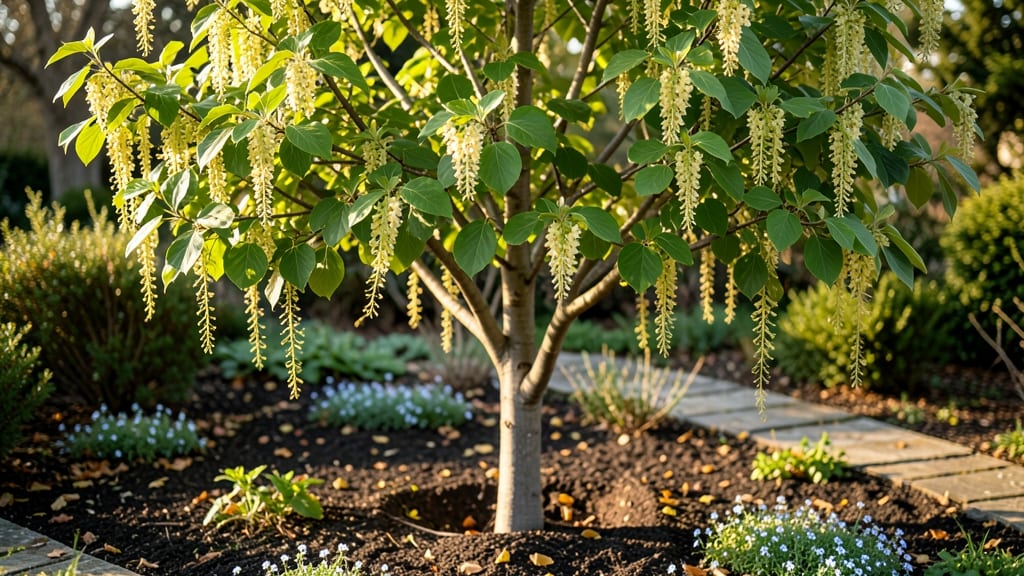
Your small leaf linden tree (Tilia cordata) thrives when pruned right—this guide keeps it healthy and shaped all year. ✂️ I’ve pruned mine for years, and the difference between a scraggly mess and a sturdy, shade-giving beauty comes down to timing, technique, and a few key cuts.
Start with the basics: prune in late winter or early spring before new growth begins. Remove dead, crossing, or weak branches first—they’re the easy wins that make the rest simpler.
For shaping, focus on open-center growth to let sunlight reach the lower branches, which is where those iconic heart-shaped leaves shine brightest. By summer, you’ll notice fuller foliage and fewer pests sneaking in through crowded branches.
The tree’s natural resilience means it forgives mistakes, but proper pruning prevents weak wood and keeps it strong for decades. Even a 10-minute check every few months makes a difference. Works for urban yards, parks, or large gardens—this tree handles city pollution better than most.
Let’s get those branches looking intentional!
📚 In This Guide
- What you need
- Instructions
- Tips and common mistakes
- Wrapping up and next steps
What you need
- ● Bypass pruning shears – Choose sharp, high-quality shears (e.g., Felco or Fiskars) for clean cuts on small branches (up to ½ inch in diameter).
- ● Loppers – For branches ½ to 1½ inches thick (e.g., Corona or Bahco loppers with bypass blades).
- ● Pruning saw – A curved-tooth saw (like the Fiskars X7) for thicker branches (1½+ inches).
- ● Gloves – Heavy-duty, cut-resistant gloves (e.g., Mechanix or Dr. McGill’s) to protect hands from thorns and debris.
- ● Disinfectant (70% isopropyl alcohol or pruning sealant) – To sterilize tools between cuts and prevent disease spread.
- ○ Extension pole (optional but helpful) – A 3–6 ft telescoping pole with a saw attachment for high branches (e.g., Fiskars Telescopic Pole Saw).
- ● Heavy-duty trash bags or bucket – For collecting pruned branches and debris (2–3 gallons capacity).
- ● Step ladder or sturdy stool – A stable, non-slip ladder (e.g., Little Giant or Werner) for safe access to higher branches.
- ○ Pruning sealant (optional but recommended) – A latex-based sealant (like Tanglefoot Tree Wound Pruning Seal) to coat large cuts and reduce disease risk.
- ● Safety glasses – Protects eyes from flying debris.
- ● Ear protection – Useful if using a chainsaw for very thick branches.
- ● Marking spray or twine – Helps identify branches to remove before cutting.
- ● Tree wound dressing (controversial but some swear by it) – Products like Tree Bandage for larger wounds.
How to prune a small leaf linden tree for year-round health
Pruning isn't just about shaping—it keeps your linden thriving. Here's the method I use to maintain health while encouraging strong growth.
✂️ Step 1: Prune in Late Winter or Early Spring
Timing matters most with lindens. I always prune 2-4 weeks before buds swell in late winter or early spring when the tree is still dormant. This prevents stressing the tree during its active growing season. Avoid pruning in fall—it invites disease and weakens the tree's ability to prepare for winter.
Look for bare branches or those with no leaves—these are dead and should be removed first. Use clean, sharp pruners to make smooth cuts just outside the branch collar (the swollen area where the branch meets the trunk). Never leave stubs—this invites rot and disease.
✂️ Step 2: Remove Dead, Diseased, or Crossing Branches
Start by identifying branches that are dead, diseased, or rubbing against others. Dead branches snap easily when bent, while diseased ones may have discolored bark or oozing sap. Crossing branches compete for sunlight and nutrients, so remove the weaker of the two—usually the smaller or more inward-growing one.
I always work from the inside out, removing branches that block light from reaching the center of the tree. This ensures the canopy stays open and air can circulate freely. If a branch is larger than 4 inches in diameter, use a three-cut method to avoid tearing the bark.
✂️ Step 3: Thin the Canopy for Better Airflow
Lindens respond well to selective thinning, which reduces density and improves light penetration. Aim to remove no more than 25% of the foliage in one season—this prevents stress. Focus on branches that grow straight up or inward, as these crowd the center and create a dark, damp environment where pests thrive.
Make your cuts just above an outward-facing bud or branch. This encourages new growth in the right direction. Step back often to visualize the tree's shape—you want an open, balanced silhouette. Avoid "lion-tailing," where you only trim the outer branches, as this creates a weak, top-heavy tree.
✂️ Step 4: Shape and Maintain Structure
Once you've removed the problematic branches, focus on shaping. Lindens have a natural rounded form, so I lightly prune to enhance that while keeping the height manageable. Avoid heavy pruning—lindens produce fast, vigorous growth, and aggressive cuts can lead to weak, water-sprout growth.
Pay special attention to water sprouts (fast-growing, vertical shoots) and suckers (shoots from the base). Remove these promptly—they drain energy from the tree. If you notice any epicormic branching (small branches growing along the trunk), trim them back to maintain a clean trunk.
⏰ Step 5: Clean Up and Monitor Year-Round
After pruning, sterilize your tools with rubbing alcohol to prevent spreading disease. Collect and dispose of all pruned branches—never leave them on the ground, as they can harbor pests. I also apply a balanced, slow-release fertilizer in early spring to help the tree recover and grow stronger.
Monitor your linden throughout the year. If you notice yellowing leaves, wilting, or unusual growth, it may signal over-pruning or disease. Lindens are generally low-maintenance, but consistent care keeps them healthy. Prune lightly again in summer if needed, but avoid heavy cuts—this can stimulate late-season growth that won’t harden off before winter.
Tips & tricks for pruning a small leaf linden tree
Pruning a linden tree well can transform it from merely surviving to thriving. Here’s how to avoid common mistakes and maximize your efforts.
Timing is Everything: Those 2-4 weeks before buds swell in late winter or early spring are critical. I’ve seen lindens stressed by pruning too early when they’re still vulnerable to cold snaps, or too late when buds start showing. Check your local frost dates—pruning right before the last hard frost ensures the tree has time to heal before new growth begins.
Branch Collar Matters: When making cuts in Step 1, focus on the branch collar—that swollen area where the branch meets the trunk. Cutting just outside it prevents damage to the tree’s healing tissues. I’ve ruined several cuts by leaving stubs, which trap moisture and invite rot. Use a sharp pruner to make clean cuts at a slight angle away from the trunk.
Visualizing the Canopy: In Step 3, step back often to visualize the tree’s shape. Imagine sunlight filtering through—you want an open, airy canopy. I always sketch a rough outline on paper first. This helps me spot branches that might be hidden from my usual vantage point. Removing no more than 25% of foliage in one season is key; lindens recover faster when you don’t overdo it.
Tool Maintenance: Sterilizing your pruners with rubbing alcohol after each cut (Step 5) isn’t just about hygiene—it’s about preventing disease spread. I keep a small bottle of 70% isopropyl alcohol in my toolkit. Sharp tools also make cleaner cuts, which heal faster. Dull blades tear bark, creating larger wounds that take longer to recover.
Pro Tips for Small Leaf Linden Tree
- Pruning a linden tree well can transform it from merely surviving to thriving.
- Timing is Everything: Those 2-4 weeks before buds swell in late winter or early spring are critical.
- Branch Collar Matters: When making cuts in Step 1, focus on the branch collar—that swollen area where the branch meets the trunk.
Frequently asked questions
Got questions about pruning your small leaf linden tree?
Here are the most common concerns—plus expert tips to keep your tree thriving year-round.
When is the best time to prune a small leaf linden tree?
The ideal time is late winter to early spring (before buds swell) or summer after flowering. Avoid heavy pruning in fall—it can stress the tree and invite disease. Light shaping in early summer promotes healthy growth without disrupting its natural cycle.
How much can I trim without harming the tree?
Remove no more than 25% of the canopy in one season to avoid shocking the tree. Focus on:
- Dead, diseased, or crossing branches ()
- Suckers at the base
- Water sprouts (fast-growing vertical shoots)
Why are my linden tree’s leaves turning yellow after pruning?
Yellowing leaves can signal stress from over-pruning or nutrient loss. If you trimmed too aggressively:
- Apply a balanced fertilizer (10-10-10) in spring.
- Water deeply to help recovery.
- Avoid pruning during drought or extreme heat.
Can I prune a small leaf linden in winter?
Yes, but lightly—focus on removing dead wood or safety hazards. Heavy winter pruning can expose the tree to sunscald or cold damage. Wait until late winter (just before buds break) for major shaping. If you must prune in cold months, do so on warmer days above 40°F (4°C).
What’s a good alternative if I don’t want to prune?
If pruning feels overwhelming, try these low-maintenance options:
- Natural shaping: Let the tree grow its iconic rounded form—lindens thrive with minimal intervention.
- Selective thinning: Remove only 1–2 branches per year to improve airflow.
- Mulching: Add 2–3 inches of mulch around the base to retain moisture and reduce stress.
Wrapping up and next steps
The small leaf linden tree is a beautiful and hardy addition to any landscape, but its long-term health and beauty depend on thoughtful pruning.
By following the right techniques—whether shaping, thinning, or rejuvenating—you’ll encourage strong growth, vibrant foliage, and a stunning silhouette year after year. Now that you’re armed with the know-how, grab your tools and give your linden tree the care it deserves!
🌿 Next Steps:
- Mark your calendar for late winter or early spring—the best time to start pruning.
- Observe your tree’s progress and adjust your approach as needed.
- Share your pruning wins (or challenges!) with fellow gardeners for extra tips.