
Pruning
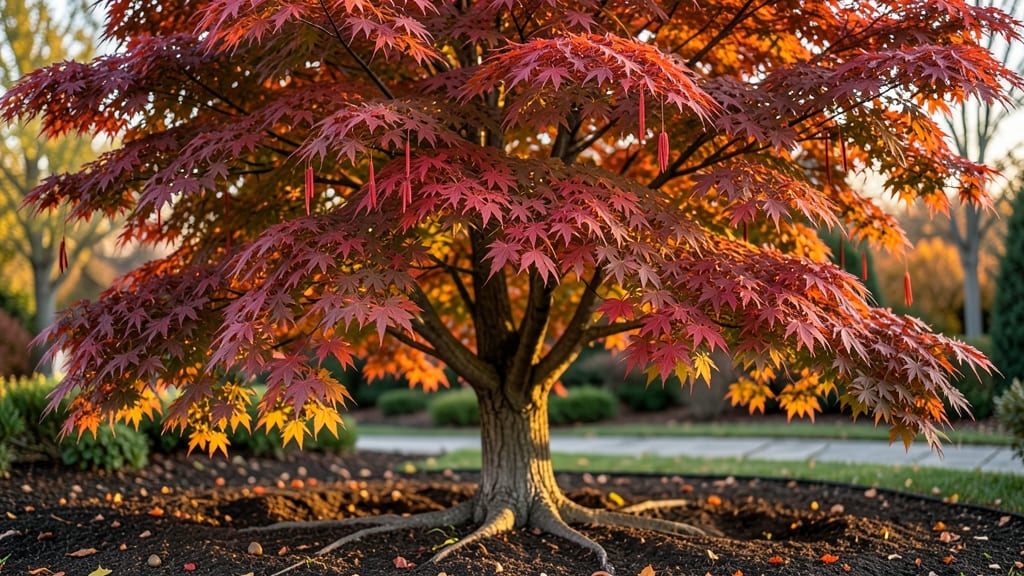
Growing a red leaf maple tree means year-round color without the constant pruning headaches. 🌿 The key to those showstopping red leaves isn't complicated—it's all about the right spot and a little seasonal attention.
I planted mine three years ago, and it's now the centerpiece of my yard, with foliage that shifts from spring green to fiery red in fall and stays stunning through winter.
The secret starts with well-draining soil and morning sun—afternoon shade helps in hot climates. Most people overlook how much water young trees need: 1-2 inches per week for the first two years, then less as roots establish.
Mulch helps retain moisture and keeps roots cool, but don't pile it against the trunk—that's a common mistake that invites rot.
Pruning is minimal but strategic: remove dead branches in late winter and shape lightly in early spring. My tree hasn't needed more than that—just a quick cleanup keeps it healthy. The payoff? Vibrant foliage that turns heads all season long, with minimal effort once established.
Works beautifully in landscapes, urban spaces, or as a striking patio specimen. Here's how to get started with the right foundation—no green thumb required, just patience and the right conditions.
📚 In This Guide
- What you need
- Instructions
- Tips and common mistakes
- Wrapping up and next steps
What you need
- ● Red Leaf Maple Tree: 1 container-grown sapling (3–5 gallons) or 1 bare-root tree (for fall/early spring planting).
- ● Varieties: Acer palmatum ‘Bloodgood,’ ‘Emperor I,’ or ‘Red Dragon’ (choose based on mature size and hardiness zone).
- ● Planting Supplies: 1 shovel (for digging holes).
- ● 1 wheelbarrow (for mixing soil).
- ● Native soil or well-draining potting mix (avoid heavy clay).
- ● 2–3 cups compost or organic matter (to enrich soil).
- ● 1 mulch (2–3 inches of shredded bark or wood chips; avoid fresh mulch near the trunk).
- ● Hand Pruners: 1 pair (bypass pruners for clean cuts; sharp and sanitized).
- ● Loppers: 1 pair (for thicker branches, 1–2 inches in diameter).
- ○ Pruning Saw: 1 (optional, for branches >2 inches thick).
- ● Gloves: 1 pair (cut-resistant for safety).
- ● Disinfectant: 1 bottle (70% isopropyl alcohol or pruning sealant to prevent disease).
- ○ Tarp or Drop Cloth: 1 (optional, to collect debris).
- ● Tree Stake: 1 (only if needed for young trees in windy areas).
- ● Slow-Release Fertilizer: 1 bag (balanced, 10-10-10 or organic option like fish emulsion).
- ● Tree Guard: 1 (plastic or metal, to protect trunk from rodents).
- ● Hose with Nozzle: 1 (for watering; drip irrigation is ideal for young trees).
- ○ Planting Hole Measurer: 1 (optional, to ensure proper depth—2–3x wider than root ball).
How to plant and care for a stunning red leaf maple tree
Here’s how to grow a showstopping red leaf maple that delivers vibrant color year-round with almost no fuss.
🌱 Step 1: Choose the Perfect Planting Spot
Red leaf maples thrive in full sun to partial shade, but for the deepest reds, plant them where they’ll get at least 6 hours of direct sunlight daily. I always look for a spot with 6-8 feet of clearance all around—these trees grow wide, and branches need room to spread naturally. Avoid low-lying areas where water pools after rain, as soggy roots lead to root rot.
Test the soil by digging a 12-inch hole—if it’s hard or compacted, mix in a few shovelfuls of compost to improve drainage. The ideal spot balances sun exposure with protection from harsh afternoon winds, which can scorch young leaves. Watch for nearby power lines or structures; these trees can reach 30-40 feet tall over time.
🪴 Step 2: Plant at the Right Depth and Stake for Stability
Dig a hole twice as wide as the root ball but no deeper—this prevents the tree from sitting too low, which can suffocate roots. Gently remove the tree from its container and loosen any circling roots with your fingers. Place it in the hole so the top of the root ball sits 1-2 inches above ground level—this ensures proper drainage and prevents water from pooling around the trunk.
Fill the hole halfway with native soil, then water deeply to settle it. Once settled, add more soil until the root ball is covered. Stake the tree only if it’s top-heavy or in a windy area—use two sturdy stakes tied loosely with flexible material (like tree ties) to avoid girdling the trunk. Water again until the soil is moist 6 inches down.
☀️ Step 3: Water Deeply and Mulch for Retention
Water the tree once a week for the first year, soaking the soil to a depth of 12 inches. You’ll know it’s enough when water runs out the bottom of the hole. After watering, spread a 3-inch layer of mulch (like wood chips or shredded bark) in a circle around the base, keeping it 6 inches away from the trunk to prevent rot.
Mulch helps retain moisture and regulates soil temperature, but avoid piling it too high—it should look like a donut, not a volcano. Replenish mulch as it breaks down, but never let it exceed 3 inches. This step is critical: inconsistent watering causes stress, which dulls the tree’s signature red foliage.
✂️ Step 4: Prune Only When Necessary
Red leaf maples are low-maintenance, but you’ll want to remove any dead, diseased, or crossing branches in late winter or early spring before new growth starts. Use clean, sharp pruners to make cuts just outside the branch collar—the swollen area where the branch meets the trunk. Never leave stubs; this invites decay and weakens the tree.
If you notice branches growing toward the center of the tree, trim them back to encourage an open canopy. Avoid heavy pruning—these trees produce their best color when left to grow naturally. A little shaping goes a long way, but over-pruning reduces the tree’s ability to display its dramatic foliage.
⏰ Step 5: Feed and Protect for Long-Term Health
Apply a balanced, slow-release fertilizer (like 10-10-10) in early spring, following the package instructions. This gives the tree a gentle nutrient boost without overloading it. In late fall, add a 2-inch layer of compost around the drip line (the area where branches naturally extend) to replenish soil nutrients for next year’s growth.
Watch for signs of stress, like yellowing leaves or early leaf drop—these often signal overwatering, underwatering, or nutrient deficiency. Red leaf maples are generally pest- and disease-resistant, but if you spot aphids or scale insects, treat them with a strong spray of water or insecticidal soap. With minimal care, your tree will reward you with vibrant red, orange, and purple foliage for decades.
Tips & tricks for perfect red leaf maple tree planting
Want that showstopping red foliage without the fuss? These simple strategies will help your tree thrive from day one.
Sunlight Strategy: In Step 1, that 6 hours of direct sunlight is non-negotiable for those deep reds. If your yard only gets partial sun, position the tree where it gets morning sun and afternoon shade—this balances color intensity and leaf health. I’ve seen trees in shadier spots develop more muted greens, so choose wisely. For maximum impact, face the tree toward the south if you’re in the Northern Hemisphere.
Soil Prep Secret: Before digging that 12-inch hole in Step 1, test your soil’s drainage. If it’s heavy clay, mix in 10-20% compost or sand to improve aeration. I’ve had to dig out trees planted in compacted soil—don’t make that mistake. A simple percolation test (dig a hole, fill with water, see how fast it drains) saves headaches later.
Watering Wisdom: After planting, those first 12 inches of deep watering in Step 3 are crucial. Use a soil probe or screwdriver to check moisture—it should feel damp but not soggy. Overwatering is the #1 killer of young trees, so let the top inch dry between waterings after the first year. A drip irrigation system set on a timer makes this effortless.
Pruning Precision: When you’re trimming in Step 4, focus on removing branches that cross or rub—these create entry points for disease. I always make cuts just outside the branch collar, and I never trim more than 25% of the canopy in one season. The goal is to maintain shape, not reshape completely. A little strategic pruning now means fewer branches to manage later.
Pro Tips for Red Leaf Maple Tree
- Want that showstopping red foliage without the fuss? These simple strategies will help your tree thrive from day one.
- Sunlight Strategy: In Step 1, that 6 hours of direct sunlight is non-negotiable for those deep reds.
- Soil Prep Secret: Before digging that 12-inch hole in Step 1, test your soil’s drainage.
Frequently asked questions
Got questions about keeping your red leaf maple tree stunning with minimal effort? You’re not alone! Here are some of the most common concerns—and practical answers to tackle them.
How often should I prune a red leaf maple tree?
Prune your red leaf maple once a year, ideally in late winter or early spring (before buds swell). This timing ensures you remove dead branches while preserving its vibrant foliage. Avoid heavy pruning in fall—it stresses the tree and can reduce winter hardiness. Light maintenance (removing crossing branches) can be done anytime, but stick to the annual deep clean for best results.
Why are my red leaf maple leaves turning brown or yellow?
Brown or yellow leaves usually signal stress from overwatering, underwatering, or nutrient deficiencies. Check soil moisture—red leaf maples prefer well-draining soil. If leaves curl or drop prematurely, it may be iron chlorosis (common in alkaline soils). Test your soil and amend with chelated iron or sulfur if needed. Avoid compacted soil around the roots.
Can I prune a red leaf maple in summer?
Summer pruning is possible but risky—it can invite pests (like borers) and stress the tree during heat waves. If you must prune, do it early morning on cool, cloudy days to reduce shock. Focus on dead or diseased branches only; avoid heavy cuts. For best color retention, wait until dormancy (late winter/early spring).
What’s the best alternative if I want a low-maintenance tree with red foliage?
If red leaf maples seem high-maintenance, consider these low-pruning, vibrant alternatives:
- Japanese Maple (Acer palmatum) – Compact, disease-resistant, and thrives in partial shade.
- Smoke Tree (Cotinus) – Drought-tolerant with smoky-pink foliage; needs minimal trimming.
- Ninebark (Physocarpus) – Hardy, colorful, and handles pruning like a champ.
How do I fix a red leaf maple with too many "water sprouts"?
Water sprouts (those tall, skinny shoots popping up everywhere) steal energy from your tree. Remove them at the base with clean pruners during dormant season. For stubborn sprouts, use a sharp pruning saw and seal cuts with pruning paint (optional but helps prevent disease). Pro tip: Thin out 1/3 of the canopy annually to encourage healthier growth and fewer sprouts.
Wrapping up and next steps
The red leaf maple tree is a stunning, low-maintenance addition to any landscape, offering vibrant colors and easy care—especially when it comes to pruning! 🌿 With just a few simple steps and the right tools, you can keep this beauty thriving year after year.
Whether you’re a newbie or a seasoned gardener, its resilience and adaptability make it a dream for both aesthetics and effortless upkeep.
Ready to level up your yard’s drama? Start by grabbing your pruners and giving your red leaf maple the love it deserves—your future self (and your neighbors!) will thank you. 🌟