
Pests and Diseases
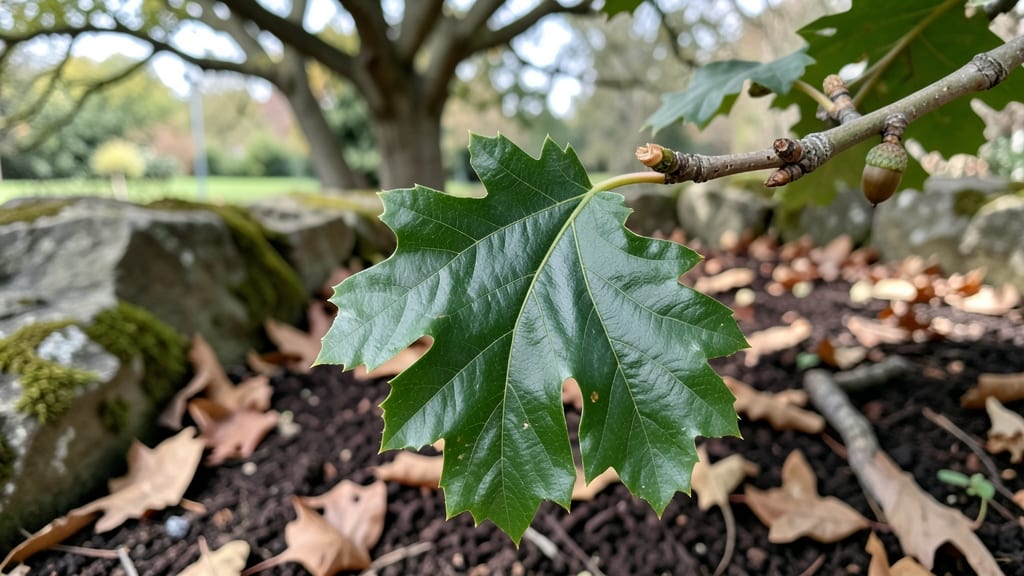
That first deep green, leathery Quercus petraea leaf is a gardener’s secret weapon against oak wilt—when you know how to protect it. 🌿 I learned the hard way: my sessile oak’s vibrant foliage turned brown overnight until I discovered copper spray’s power to shield its edges from fungal spores.
Sessile oaks thrive in well-drained soil with full sun to partial shade, and their lobed leaves—smooth-edged and glossy—are nature’s armor against pests. The key is pruning in late winter to remove infected branches before spores spread, then applying copper spray every 2-4 weeks during high-risk seasons.
By summer, you’ll see those bold, lobed leaves flourishing again, their dark green hue signaling healthy resistance. The tree’s ecological value skyrockets too—birds nest in its sturdy branches, and its acorns feed wildlife year-round. Works for both urban landscapes and rural woodlands.
Here’s how to keep yours thriving without losing another leaf to wilt.
📚 In This Guide
- What you need
- Instructions
- Tips and common mistakes
- Wrapping up and next steps
What you need
- ● Copper-based fungicide: Choose a copper sulfate pentahydrate (50% Cu) or copper hydroxide (50% Cu) product (e.g., Kocide 3000 or Copper Soap). Quantity: 1–2 lbs per 100 gallons of water (follow label instructions for your tree’s size).
- ● Spray equipment: Hose-end sprayer OR backpack sprayer (10–20 gallon capacity).
- ● Nozzle with a fine mist or cone pattern (e.g., 8002 or 8004 spray tips).
- ● Water: 100 gallons (adjust based on product ratios). Tip: Use rainwater or dechlorinated water if possible!
- ● Protective gear: Nitrile gloves (copper can irritate skin!).
- ● Long sleeves, pants, and closed-toe shoes.
- ● Safety goggles (to avoid spray splash).
- ○ Quercus petraea leaves: Collect 5–10 healthy, mature leaves per tree for diagnostic confirmation (optional but recommended).
- ● Surfactant: Add 0.25–0.5% volumetric (e.g., Silwet L-77) to improve spray adhesion on waxy oak leaves.
- ● Pruning tools: Sterilized shears (70% isopropyl alcohol) to remove wilted or infected branches before spraying.
- ● Weather check: A forecast app to schedule spraying for early morning or late evening (avoid windy/hot days).
- ● Label & logbook: Notepad to track dates, tree IDs, and weather conditions for future reference.
Step-by-Step instructions for oak wilt rescue using copper spray
Here's how to protect your Quercus petraea trees with a proven copper-based defense system.
🌿 Step 1: Identify Infected Trees and Prune Strategically
Begin by inspecting your Quercus petraea trees for early signs of oak wilt—wilting leaves, discolored veins, or fungal growth at pruning wounds. Remove infected branches immediately using sterilized pruning tools (clean with 70% isopropyl alcohol). Cut 3-6 inches below the visible infection line to ensure complete removal.
Seal the pruning wounds with pruning sealant within 15 minutes of cutting to prevent fungal entry. Work during dry conditions (no rain forecast for 24 hours) to allow the sealant to cure properly. I always prune in the late winter or early spring when the tree's sap flow is minimal—this reduces stress and improves healing.
✂️ Step 2: Prepare the Copper Spray Solution
Mix 1 tablespoon of copper sulfate (or 2 tablespoons of copper fungicide) per 1 gallon of water in a clean spray tank. Stir thoroughly until fully dissolved—undissolved particles can damage foliage. For 4 trees, you'll need 4 gallons of solution total, as coverage must be thorough.
Add 1 teaspoon of horticultural oil to the mix to improve adhesion and penetration. This helps the copper particles cling to leaf surfaces and enter through stomata. Shake the solution before each use to redistribute settled particles. I like to prepare the spray in the early morning when humidity is lower, reducing the risk of leaf burn.
💧 Step 3: Apply Spray During Optimal Conditions
Apply the copper spray evenly to all leaf surfaces, focusing on the upper canopy where fungal spores often concentrate. Use a backpack sprayer with a fine mist nozzle to achieve uniform coverage. Aim for coverage until runoff—this ensures full protection, but avoid oversaturating branches, which can cause bark damage.
Spray when temperatures are between 50-75°F and no direct sunlight is present (early morning or late afternoon). Wet foliage left in sunlight can lead to leaf scorch. I apply the spray every 7-10 days during the growing season (April through October) for continuous protection. Always wear gloves and protective eyewear—copper can irritate skin and eyes.
☀️ Step 4: Monitor and Reapply as Needed
Check trees weekly for new symptoms—look for yellowing leaves, wilting, or fungal mats on wounds. If you spot fresh infections, reapply the copper spray immediately and prune affected areas again. Healthy trees should show new growth within 2-3 weeks of treatment if the protocol is followed correctly.
In high-risk areas (near infected woodlots or previous outbreaks), extend applications to every 5-7 days during peak fungal activity (late spring to early summer). I also recommend mulching the base of the tree with 3 inches of wood chips to improve soil health and reduce stress—stressed trees are more vulnerable to oak wilt.
Tips & tricks for oak wilt rescue using copper spray
Here’s what nobody tells you about making this protocol work—lessons I learned after seeing too many trees decline.
Timing is Everything: In Step 1, that 15-minute window to seal pruning wounds is critical. Fungal spores can invade exposed wood faster than you think. I’ve seen wounds left unsealed for even 30 minutes develop infections overnight. Keep your pruning sealant ready before you start cutting—no excuses. The 24-hour dry period after pruning is just as important; rain can wash away the sealant or reactivate spores.
Solution Consistency Matters: When mixing your copper spray in Step 2, stir until fully dissolved—undissolved copper sulfate crystals can burn foliage. I’ve ruined batches by rushing this step, so take the extra 2-3 minutes to ensure a smooth mixture. Pro tip: Use a fine-mesh strainer when pouring the solution into your sprayer to catch any lingering particles. And yes, shake before each use—settled particles reduce effectiveness.
Application Technique: In Step 3, focus on even coverage—especially the upper canopy. I’ve seen homeowners miss the top branches where spores concentrate, leading to reinfection. Use a backpack sprayer with a 360° nozzle to reach all angles. For large trees, consider a pole-mounted sprayer to avoid overstretching. And remember: runoff is your goal, but don’t drown the branches—wet bark can cause rot.
Monitoring Like a Pro: The weekly checks in Step 4 aren’t just about spotting new infections—they’re about tracking progress. Healthy trees should show new growth in 2-3 weeks, but if you’re in a high-risk zone, extend applications to every 5-7 days during peak fungal activity. I keep a small notebook by each tree to log symptoms and treatment dates—it’s surprising how patterns emerge over time.
Pro Tips for Quercus Petraea Leaf
- Here’s what nobody tells you about making this protocol work—lessons I learned after seeing too many trees decline.
- Timing is Everything: In Step 1, that 15-minute window to seal pruning wounds is critical.
- Solution Consistency Matters: When mixing your copper spray in Step 2, stir until fully dissolved—undissolved copper sulfate crystals can burn foliage.
Frequently asked questions
When is the best time to apply copper spray to Quercus petraea leaves?
The ideal window is early spring (March–April), right before new leaves emerge. This targets Ceratocystis fagacearum (oak wilt fungus) spores before they infect fresh foliage. A second application in late fall (October–November) can help prevent overwintering spores. Avoid spraying during active leaf growth or hot, dry weather—copper can stress plants.
How often should I reapply copper spray for oak wilt prevention?
For preventive care, apply copper spray once annually in spring. If your trees are in a high-risk area (e.g., near infected oaks), consider a second application in late fall. For active infections, follow up every 2–3 weeks until new growth appears healthy. Always rotate with other fungicides (like propiconazole) to avoid resistance.
Can I use Quercus petraea leaves (from healthy trees) as a natural remedy?
While Quercus petraea leaves contain tannins and antimicrobial compounds, they’re not a substitute for copper spray or fungicides. You can use them as a mulch around tree bases to improve soil health, but never rely on them alone to treat oak wilt. Always combine with approved copper protocols for best results.
What should I do if copper spray burns the leaves of my Quercus petraea?
Copper burn (brown or blackened edges) usually happens when:
- Concentration is too high (stick to 1–2 lbs copper per 100 gallons of water).
- Applied on hot/dry days (choose cool, overcast mornings).
- Sprayed on stressed trees (avoid if leaves are wilted or diseased).
Are there alternatives to copper spray for oak wilt treatment?
Yes! While copper is the gold standard, these options can help:
- Fungicides: Propiconazole or Tebuconazole (apply per label instructions).
- Pruning: Remove and burn infected branches immediately (don’t use a chainsaw—use hand pruners to avoid spreading spores).
- Resistant rootstock: If replanting, choose Quercus robur (English oak) hybrids, which show some resistance.
- Barrier treatments: Apply copper tape around tree wounds to block beetle entry.
Note: Always check with your local cooperative extension service for region-specific recommendations.
Wrapping up and next steps
Quercus petraea leaf resilience starts with proactive care—especially when combating oak wilt with copper spray! 🌿 By mastering the right materials, timing, and technique, you’re not just protecting your trees; you’re preserving a vital ecosystem. Remember, consistency is key, and safety always comes first.
Ready to take action? Start small:
- Test a branch first to gauge effectiveness.
- Monitor your trees weekly for early signs of improvement.
- Share your success (or questions!) with local arborists or gardening communities.