
Plants
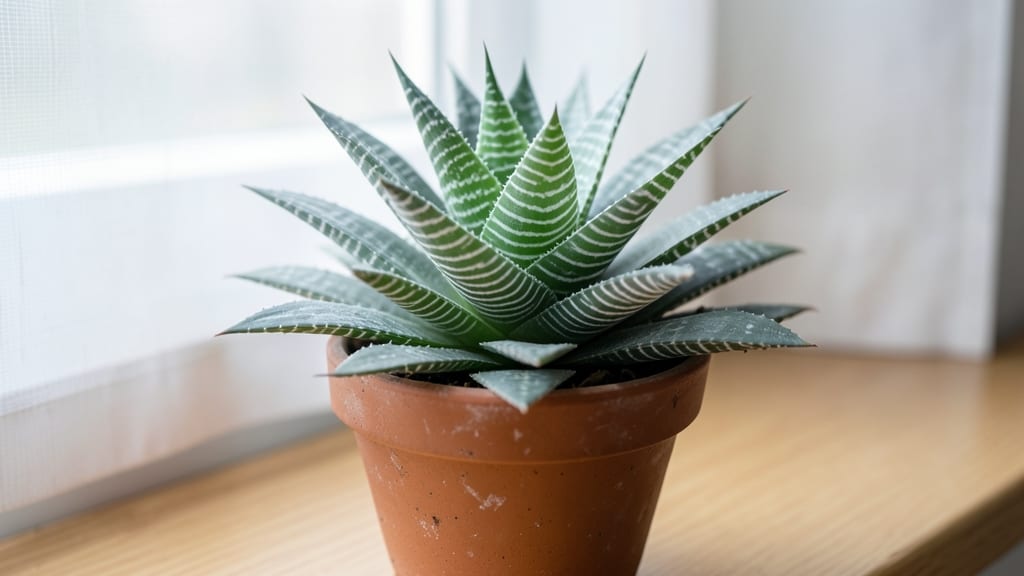
Those pointy-leaf plants aren't just for show—they're nature's armor against dry climates. 🌵 I've grown aloe, snake plants, and haworthias for years, and the secret to their thriving lies in their love of bright light and hands-off care.
These plants store water in their leaves, so overwatering is their #1 enemy, not underwatering.
The real magic happens when you match their needs to your space. A south-facing window or a sunny patio keeps them happy, while well-draining soil prevents root rot. Most varieties thrive in pots with drainage holes—just water when the soil feels completely dry to the touch.
Snake plants especially forgive neglect, making them perfect for busy gardeners.
What you'll end up with is a collection of resilient plants that reward you with striking foliage and minimal effort. The air-cleaning benefits are just the cherry on top—snake plants remove toxins like formaldehyde, while aloe adds a touch of desert glamour to any room.
Propagation is shockingly simple too: just snap off a leaf and let it callus before planting.
Even the challenges are manageable: mealybugs hate a quick wipe-down with soapy water, and root rot disappears when you use the right soil mix. These plants adapt well to indoor conditions, making them ideal for apartments or offices with good natural light.
Root Causes Of Pointed Leaves
If your once-lush, broad-leaved plant is now sporting sharp, pointed foliage, don’t panic—this is often a sign of stress or environmental adjustments. Understanding the why behind these changes helps you take corrective action before it affects the plant’s health.
Below, we break down the most common culprits, backed by science, so you can diagnose and fix the issue with confidence.
Plants like the pointy leaf plant (often Sedum morganianum or similar succulents) thrive in bright, indirect sunlight. When deprived of adequate light, their leaves may elongate and develop sharp tips as a survival mechanism to reduce water loss.
This is a classic case of etiolation, where the plant stretches toward light sources, causing distorted growth.
Why it happens:
- Photosynthesis slowdown: Low light reduces chlorophyll production, leading to weaker, more brittle leaves.
- Hormonal shifts: Auxin (a growth hormone) accumulates unevenly, causing abnormal leaf development.
- Water imbalance: Stretched leaves lose moisture faster, triggering pointed edges as a drought-response adaptation.
Actionable fix: Move your plant to a south- or west-facing window (or under grow lights for 6–8 hours daily). If outdoors, ensure it gets morning sun and afternoon shade in hot climates.
Succulents and drought-tolerant perennials despise soggy roots. When overwatered, their leaves may develop pointed tips as a sign of hydric stress, where the plant tries to minimize water loss through transpiration. Additionally, root rot can disrupt nutrient uptake, leading to malformed leaves.
Why it happens:
- Oxygen deprivation: Waterlogged soil starves roots of oxygen, causing cellular damage and irregular growth.
- Toxin buildup: Excess water dilutes nutrients and flushes out essential minerals, like nitrogen, which are critical for leaf development.
- Fungal/bacterial infections: Moist conditions invite pathogens that attack leaf edges, creating jagged, pointed tips.
Actionable fix:
- Let the top 2–3 inches of soil dry out completely between waterings.
- Use a well-draining mix (e.g., cactus/succulent soil + perlite/pumice).
- Repot if needed: Ensure the container has drainage holes and avoid saucers that trap water.
Sudden drops in temperature or high humidity can shock your plant, leading to pointed leaves. Cold drafts (like AC vents or open windows in winter) cause chilling injury, while excessive humidity promotes fungal growth or uneven water absorption.
Why it happens:
- Cell membrane damage: Cold stress disrupts cell structure, leading to irregular leaf shapes.
- Transpiration imbalance: High humidity slows water evaporation, causing leaves to retain excess moisture and develop sharp edges.
- Dormancy triggers: Some plants interpret stress as a signal to conserve energy, resulting in stunted, pointed growth.
Actionable fix:
- Keep temps between 60–75°F (15–24°C); avoid placing near heaters/AC.
- Use a hygrometer to monitor humidity (ideal range: 30–50% for most succulents).
- Improve airflow with a small fan (set to low) if humidity is consistently high.
Leaves may turn pointy if your plant lacks key nutrients or suffers from fertilizer burn. Nitrogen deficiency, for example, causes leaves to grow small and sharp-tipped, while excess salts from over-fertilizing can scorch leaf edges.
Why it happens:
| Nutrient Issue | Effect on Leaves | Solution |
|---|---|---|
| Nitrogen (N) deficiency | Leaves turn pale, pointed, and stunted; growth slows. | Use a balanced fertilizer (e.g., 10-10-10) or compost. |
| Phosphorus (P) deficiency | Dark, pointed leaves with purple undersides (sign of poor energy transfer). | Apply bone meal or a phosphorus-rich fertilizer. |
| Fertilizer burn | Brown, crispy tips on pointed leaves; soil crust forms. | Flush soil with water to remove excess salts; reduce fertilizer frequency. |
Actionable fix: Test your soil (use a DIY kit or lab analysis) and adjust feeding. For succulents, fertilize only in spring/summer with a diluted dose (half-strength) every 4–6 weeks.
Sap-sucking pests (like spider mites or aphids) or fungal infections (e.g., powdery mildew) can distort leaf growth, leading to pointed, jagged edges. These issues weaken the plant, forcing it to prioritize survival over normal development.
Why it happens:
- Pest feeding: Insects like mites inject toxins that disrupt cell division, causing deformed leaves.
- Pathogen invasion: Fungi/bacteria block nutrient transport, leading to irregular growth patterns.
- Secondary stress: Infestations reduce photosynthesis, triggering a "pointy leaf" survival mode.
Actionable fix:
- Inspect leaves for webbing, sticky residue (honeydew), or white powder.
- Treat with neem oil (1 tsp per quart of water) or insecticidal soap for pests.
- Prune affected leaves and apply fungicide (copper-based) if mold is present.
Pro Tip: 💡 Keep a plant journal to track changes in light, water, and environment. Noticing patterns (e.g., "pointy leaves appear after moving to the east window") helps pinpoint the exact cause faster!
Quick Fixes for Leaf Shape Woes
When your pointy-leafed beauty starts showing signs of stress—like jagged edges, curling, or stunted growth—don’t panic! Most issues have simple, actionable fixes. Below, we’ve mapped common problems to easy-to-follow solutions, plus prevention tips to keep your plant thriving.
Think of this as your plant’s first-aid kit, but with zero bandages required.
Cause: Overwatering or underwatering throws off nutrient balance, leading to leaf burn or droop. Fix It Fast:
- 💧 Adjust your watering routine:
- Stick your finger 1–2 inches into the soil. If it’s dry, water deeply until it drains from the bottom. If soggy, let it dry out completely before watering again.
- Use a well-draining pot with holes and a cactus/succulent mix if your plant loves dry conditions.
- 🌡️ Monitor humidity: If your home is dry (common in winter with heaters), mist leaves lightly or place a tray of pebbles + water nearby.
- ☀️ Reduce midday sun: Direct sunlight + thirsty soil = crispy edges. Move your plant to bright, indirect light for a few days.
💡 Pro Tip: Yellowing bottom leaves? That’s normal aging—trim them off to redirect energy to new growth.
Cause: Poor soil quality or lack of key nutrients (like nitrogen or magnesium) causes weak, discolored leaves. Fix It Fast:
- 🌿 Repot with fresh soil:
- Choose a balanced, well-aerated potting mix (add perlite or sand for drainage).
- If your plant is root-bound, gently loosen roots before repotting.
- 💊 Feed it right:
- Use a liquid fertilizer (like 10-10-10) diluted to half-strength every 4–6 weeks in growing season (spring–fall).
- For magnesium deficiency (yellow patches between veins), sprinkle Epsom salt (1 tsp per gallon of water) monthly.
- ☕ Avoid over-fertilizing: Too much salt burns roots—always water thoroughly after fertilizing.
✨ Prevention: Top-dress with compost annually to boost soil health naturally.
Cause: Spider mites, aphids, or slugs turn your lush leaves into Swiss cheese. Fix It Fast:
- 🕷️ Spot pests? Act now!
- 🌿 Blasts of water: Spray leaves with water to knock off aphids or mites (repeat every 3–4 days).
- 🧴 Neem oil solution: Mix 1 tsp neem oil + 1 tsp mild soap + 1 quart water. Spray all surfaces (top/bottom of leaves) and reapply weekly.
- 🍅 Slugs/snails? Set out beer traps (bury a shallow dish filled with beer) or use diatomaceous earth (food-grade) around the pot.
- 🔍 Inspect regularly: Check undersides of leaves and new growth weekly.
🎯 Prevention: Keep your plant clean and well-ventilated—pests hate airflow!
Cause: Not enough sunlight makes plants reach for light, creating weak, elongated stems. Fix It Fast:
- 🔦 Move it closer to a window (south- or west-facing is ideal).
- 💡 Supplement with grow lights:
- Use a full-spectrum LED 12–16 inches away for 12–14 hours/day.
- Rotate the pot weekly so growth stays even.
- 🌿 Prune leggy stems: Cut back overgrown stems to encourage bushier growth.
💡 Pro Tip: If your plant is too tall for its pot, it’s time to repot into a slightly larger container (just 1–2 inches wider).
Cause: Sudden cold drafts, AC blasts, or temperature swings stress plants. Fix It Fast:
- 🌡️ Keep it cozy:
- Ideal range: 60–75°F during the day, 50–60°F at night.
- Avoid placing near doors, windows, or vents—drafts are deadly.
- 🚿 Revive wilted leaves:
- Trim any mushy or blackened leaves (they won’t recover).
- Soak the pot in room-temperature water for 10–15 minutes to rehydrate roots.
- 🌿 Gradual changes only: If moving your plant, acclimate it over 1–2 weeks.
🔥 Prevention: Group plants together to create a microclimate with stable humidity.
To keep your pointy-leafed friend happy, schedule these habits like a pro:
- 📅 Monthly: Check soil moisture, inspect for pests, and wipe leaves with a damp cloth.
- 🌱 Quarterly: Rotate the pot for even light exposure and trim dead leaves.
- 🌿 Yearly: Repot if roots are crowded or refresh the top 2 inches of soil with compost.
Remember: Plants are resilient! Most issues are quick to fix if caught early. The key is observation + consistency—your green thumb is growing stronger with every adjustment. 🌿✨
Frequently asked questions
What are the most common types of plants with pointy leaves?
Popular varieties include Sedum morganianum (Donkey Tail), Echeveria (Mexican Hens and Chicks), Snake Plant (Sansevieria), and Aloe Vera. These succulents store water in their thick, pointed leaves, making them perfect for low-maintenance care.
How often should I water a pointy-leaf plant?
Water only when the top 2–3 inches of soil are completely dry—usually every 2–4 weeks depending on your climate. Overwatering is the #1 killer of these plants, so always use pots with drainage holes.
Can I propagate pointy-leaf plants from cuttings?
Yes! For succulents like Sedum or Echeveria, let the cutting dry for 1–2 days to callus, then place it on dry soil. Snake plants can be divided by separating leaf sections. Most varieties root in 4–6 weeks with bright, indirect light.
Why are my pointy leaves turning brown at the tips?
This usually means overwatering or fluoride buildup from tap water. Let the soil dry out completely between waterings, and use filtered or rainwater. Brown edges can also signal low humidity—try misting occasionally or placing a pebble tray nearby.
Are pointy-leaf plants safe for pets?
Most succulents like Sedum or Aloe are non-toxic, but Snake Plants contain saponins that can cause mild stomach upset if ingested. Keep them out of reach of curious pets, especially cats and dogs.