
Pests and Diseases
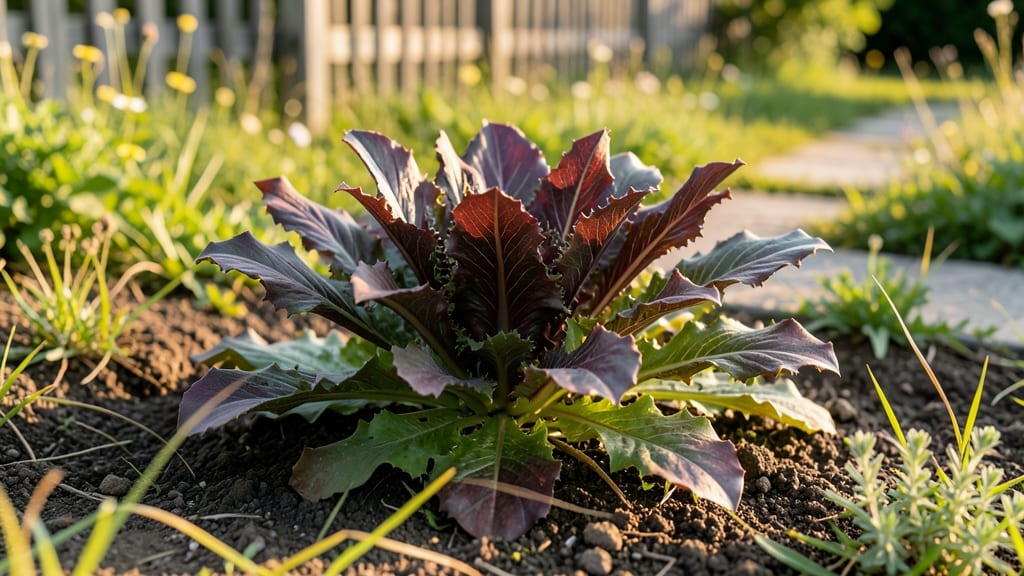
Growing pointy leaf lettuce with those crispy edges feels like unlocking a secret garden treasure. 🌿 I’ve learned the hard way—lettuce bolts faster than you can say “salad” if you miss the mark on timing or soil.
But with the right balance of shade, cool roots, and consistent moisture, you’ll harvest tender leaves all season long. The key starts with soil: rich, loose, and packed with compost so water drains but stays damp.
Varieties like ‘Oakleaf’ or ‘Arkansas’ thrive in partial shade, especially in hot climates, where they’ll stay sweet and crisp instead of bitter. Plant seeds shallow—just a quarter-inch deep—and space them 6 inches apart to avoid competition.
Once established, water deeply twice a week (more in heat), keeping leaves dry to prevent mildew. Harvest outer leaves first, leaving the center to keep growing. That first crisp bite? Worth every bit of patience. For bolting or yellowing leaves, check your watering or shade—lettuce hates stress.
And if pests show up, a quick spray of water usually does the trick. Let’s get those pointy leaves growing!
📚 In This Guide
- What you need
- Instructions
- Tips and common mistakes
- Wrapping up and next steps
What you need
- ● Pointy leaf lettuce seeds: Choose disease-resistant varieties (e.g., 'Black Seeded Simpson' or 'Salad Bowl'). Quantity: 1–2 oz (enough for 10–20 plants).
- ● High-quality potting soil: Well-draining, organic mix (e.g., 60% peat/coir, 30% perlite, 10% compost). Quantity: 1–2 cubic feet per 4–6 plants.
- ● Containers or garden bed: Containers: 6–8" deep pots with drainage holes (1–2 plants per 10" pot).
- ● Garden bed: Full sun (6+ hours/day) or partial shade (4–6 hours).
- ● Organic mulch: Straw or shredded leaves (1–2 inches thick) to retain moisture and deter pests.
- ● Hand trowel or small shovel: For transplanting seedlings.
- ● Watering can or hose with gentle nozzle: Avoid blasting leaves to prevent disease spread.
- ○ Neem oil (2–3% solution): 1 tbsp per gallon of water for fungal/bacterial prevention. Optional: Add 1 tsp mild soap as an emulsifier.
- ● Copper fungicide spray: For powdery mildew or downy mildew (follow label instructions).
- ● Row covers (floating fabric): To protect from pests like aphids or cabbage moths.
- ● Pruning shears: For removing damaged or yellowing leaves.
- ● Knowledge of local pests: Research common lettuce pests in your region (e.g., slugs, flea beetles, or fungal spores).
- ● Weather awareness: Start seeds indoors 4–6 weeks before the last frost or direct-sow in cool weather (50–75°F).
- ● Patience: Lettuce thrives in consistent moisture—water deeply 1–2 times weekly (adjust for rain).
Step-by-step instructions for growing pointy leaf lettuce
Let’s grow lettuce with those prized crispy edges—here’s my foolproof method for home gardeners.
🌱 Step 1: Start Seeds Indoors (4-6 Weeks Before Last Frost)
Fill 2-inch deep seed trays with moistened seed-starting mix—press gently to remove air pockets but keep it loose. Lettuce seeds are tiny, so I use a toothpick to create tiny holes ¼ inch deep and drop 2-3 seeds per spot. Cover lightly with fine soil to protect them from drying out.
Place the tray in a warm spot (around 65-75°F) under a humidity dome or plastic wrap. Mist the soil lightly daily to keep it damp but not soggy. Germination takes 7-14 days—watch for those first tiny green sprouts peeking through.
☀️ Step 2: Provide Gentle Light and Thin Seedlings
Once sprouts appear, remove the cover and move them to bright, indirect light. Lettuce seedlings need 12-14 hours of light daily—a south-facing window or grow light works best. If leaves stretch toward the light (called "leggy"), your seedlings need more intensity.
When seedlings have 2-3 true leaves (not just the initial cotyledons), thin them to the strongest plant per cell. Snip the extras at the base with clean scissors—don’t pull, or you’ll disturb the roots of the remaining seedlings.
🪴 Step 3: Transplant to Outdoor Garden or Containers
Wait until soil is at least 50°F and nighttime temps stay above 45°F before moving seedlings outside. Choose a spot with partial shade (especially in hot climates) to prevent bolting. Space plants 8-12 inches apart in rows 12-18 inches apart.
Water deeply before transplanting to settle the soil, then place seedlings in their holes and firm the soil around them. Avoid burying the stem too deep—it should sit just below the soil line. Mulch with straw to retain moisture and keep roots cool.
💧 Step 4: Water and Maintain for Crispy Edges
Lettuce thrives on consistent moisture—water 1 inch per week, more in extreme heat. Let the top inch of soil dry slightly between waterings to prevent rot, but never let it stay bone-dry. Drip irrigation or soaker hoses work best to avoid wetting the leaves, which can cause disease.
Harvest outer leaves when they reach 3-4 inches tall—this encourages continuous growth. Use clean scissors to cut just above a leaf node, leaving the inner leaves intact. For the crispiest edges, harvest in the morning after dew has dried but before the sun peaks.
✂️ Step 5: Protect and Extend the Harvest Season
To prevent bolting in heat, shade cloth (30-50%) keeps lettuce cool. In late summer, succession plant seeds every 2-3 weeks for a fall harvest. For winter growth, use row covers or cold frames to protect from frost.
If leaves start to yellow or wilt, check for pests like aphids or slugs. A spray of water or neem oil usually does the trick. With proper care, you’ll enjoy crisp, flavorful lettuce straight from your garden all season long.
Tips & tricks for perfect pointy leaf lettuce
Here's what nobody tells you about growing lettuce with those signature crisp edges that make all the difference.
Seed Starting Secret: I learned this the hard way after ruining three batches—lettuce seeds need consistent moisture to germinate, but they'll drown if overwatered. After planting those ¼-inch deep holes, I place the seed tray in a shallow dish of water for just 5 minutes to settle the soil, then drain completely. This gives them the perfect head start without soggy soil.
Light Intensity Matters: Those 12-14 hours of light daily are non-negotiable for crispy growth, but intensity is key. If you notice seedlings stretching toward the light (the "leggy" look), move them closer to the light source or switch to a grow light. I've found that seedlings need about 2-3 inches of space between them and the light bulb for optimal growth without burning.
Transplanting Temperature Check: Waiting for soil to reach at least 50°F and nighttime temps above 45°F isn't just about avoiding frost—it's about giving your lettuce the right conditions to establish strong roots. I always test soil temperature with a thermometer before transplanting. If temps are borderline, I harden off seedlings by placing them outside for 1-2 hours daily for a week before full transplant.
Harvest Timing for Crispiness: The 3-4 inch height guideline is perfect, but timing matters more than you'd think. I harvest in the morning when dew has evaporated but before the sun peaks—this gives you the crispiest edges. If you must harvest later in the day, give your lettuce a light misting with water and let it sit for 30 minutes before harvesting to restore some crispness.
Pro Tips for Pointy Leaf Lettuce
- Here's what nobody tells you about growing lettuce with those signature crisp edges that make all the difference.
- Seed Starting Secret: I learned this the hard way after ruining three batches—lettuce seeds need consistent moisture to germinate, but they'll drown if overwatered.
- Light Intensity Matters: Those 12-14 hours of light daily are non-negotiable for crispy growth, but intensity is key.
Frequently asked questions
Why does my pointy leaf lettuce have brown or wilted edges?
Brown or wilted edges are often caused by overwatering (root rot) or underwatering (stress). Check soil moisture—it should stay consistently damp but not soggy. If edges are crispy but green, it’s likely transpiration (normal in heat). For a quick fix, trim the damaged leaves and adjust watering.
How long does it take for pointy leaf lettuce to grow?
From seed, expect 30–50 days to harvest, depending on variety and conditions. Baby leaves can be ready in 25–30 days if harvested early. For full-size, pointy leaves, aim for 40–50 days. Use a row cover in cool climates to speed up growth!
Can I grow pointy leaf lettuce indoors?
Use a sunny windowsill (6+ hours of light) or a grow light (12–16 hours/day). A 5–7 inch deep container with well-draining soil works best. Keep humidity moderate—misting leaves helps prevent browning. Just avoid overcrowding!
What pests should I watch for with pointy leaf lettuce?
Common culprits include aphids, slugs, and flea beetles. Aphids leave sticky residue—blast them off with water or use neem oil. Slugs? Set out beer traps or copper barriers. For flea beetles, use row covers early in the season. Inspect leaves regularly for early signs!
What’s the best way to store pointy leaf lettuce?
Wrap leaves loosely in a paper towel (to absorb moisture) and place in a resealable bag in the fridge. For longer shelf life, trim stems and store in a ventilated container. Avoid washing until ready to eat—excess water speeds up spoilage. Pro tip: Store separately from ethylene-producing fruits (like apples)!
Wrapping up and next steps
Pointy leaf lettuce isn’t just a pretty addition to your garden—it’s a low-maintenance superstar when you know how to protect it from pests and diseases. 🌱 From preventive care to natural remedies, the key is staying proactive and observant.
Whether you’re a seasoned gardener or just starting, these strategies will help you grow crisp, vibrant lettuce with confidence!
Ready to level up your harvest? Start by booking a garden checkup or experimenting with one of the DIY solutions mentioned above. Your next salad just got a whole lot fresher—and tastier! 🥗✨