
Pests
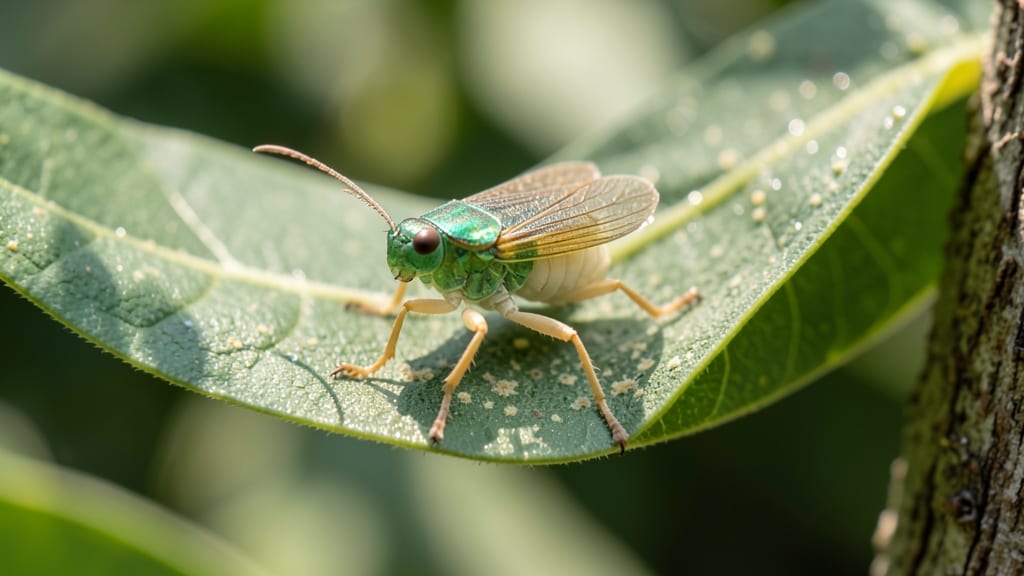
Seeing a picture of a leafhopper with those tiny green specks hopping across your plants isn't just annoying—they're leafhoppers, and they're sucking the life out of your garden. 🌿 I've spent years tracking these pests down, and the first step is recognizing them before they destroy your foliage.
Leafhoppers are 1/8-inch long with wedge-shaped bodies, often pale green, yellow, or brown. They leave behind a sticky residue called honeydew and tiny yellow spots on leaves where they feed. The damage starts small but spreads fast if left unchecked.
Once you spot them, you'll want to act quickly—neem oil sprays, soapy water solutions, or introducing beneficial insects like lacewings can turn the tide. I've seen gardens recover completely when caught early.
For a visual guide, check out my detailed leafhopper identification chart (linked below) that shows size comparisons and damage patterns. The key is acting before the infestation takes hold—your plants will thank you.
The Science Behind Leafhopper Infestations
Leafhoppers may seem like tiny, harmless insects, but their presence on your plants can cause significant damage. Understanding why these pests appear—and how their behavior drives infestations—is the first step to stopping them. Below, we break down the key factors that turn your garden into a leafhopper hotspot.
Leafhoppers are drawn to plants that are already under stress, whether from drought, poor soil health, or disease. Here’s why:
- Chemical Cues: Stressed plants emit volatile organic compounds (VOCs), which act like a dinner bell for leafhoppers.
These chemicals signal that the plant’s defenses are weakened, making it an easier target for feeding. - Nutrient Deficiencies: Plants lacking essential nutrients (like nitrogen or potassium) produce softer, more sap-rich tissues—leafhoppers’ favorite snack.
A quick soil test can reveal if your plants are nutrient-deprived. - Water Stress: Drought-stressed plants often produce higher sugar concentrations in their sap, which leafhoppers detect and exploit. This is why infestations spike during dry spells.
Actionable Fix: Keep plants well-watered, use balanced fertilizers, and monitor for early signs of disease or nutrient deficiencies. Healthy plants are less appealing to leafhoppers.
Leafhoppers thrive in dense, overcrowded plantings because:
- Limited Airflow: Tightly packed foliage creates humid microclimates, which leafhoppers love. Poor airflow also slows down natural predators (like ladybugs or lacewings) from patrolling your garden. - Easy Spread: Overcrowded plants allow leafhoppers to jump from one host to another effortlessly, accelerating infestations.
A single infected plant can quickly become a cluster of damaged ones. - Shelter from Predators: Dense vegetation provides hiding spots for leafhoppers, making them harder for birds, spiders, or parasitic wasps to control.
Actionable Fix: Prune plants to improve airflow, space seedlings appropriately, and avoid planting the same species too closely together. Rotate crops annually to disrupt their life cycle.
Leafhoppers face few natural enemies, but when their predators disappear, populations explode. Common reasons for predator decline include:
- Pesticide Overuse: Broad-spectrum insecticides kill both pests and their predators (like lacewings or minute pirate bugs). This leaves leafhoppers unchecked, leading to rapid reproduction. - Habitat Loss: Gardens lacking diverse plantings or water sources fail to support predator populations.
For example, ladybugs need nectar-rich flowers to survive, while parasitic wasps require specific host plants. - Seasonal Shifts: Some predators (like birds) migrate or hibernate, creating temporary windows where leafhoppers can surge unopposed.
Actionable Fix: Use targeted, leafhopper-specific treatments (like neem oil or insecticidal soap) instead of harsh chemicals. Plant companion flowers (e.g., marigolds, dill) to attract predators and provide shelter.
Leafhoppers are cold-blooded, meaning temperature directly impacts their activity:
- Faster Development: Warm weather (above 70°F/21°C) accelerates their life cycle.
A single female can lay hundreds of eggs in a season, leading to explosive growth. - Longer Feeding Seasons: Extended warm periods allow leafhoppers to feed and reproduce for months, whereas cooler climates may limit their activity. - Dormancy Disruption: Unseasonably warm winters can trick leafhoppers into emerging early, giving them a head start on infestations before natural predators wake up.
Actionable Fix: Monitor weather patterns and act early with preventive measures (like reflective mulch or row covers) during warm spells. In greenhouses, maintain consistent temperatures to deter outbreaks.
Leafhoppers don’t just appear—they’re often introduced through human activity:
- Contaminated Plants: Nursery-grown plants or imported cuttings may carry leafhopper eggs or nymphs, unknowingly bringing infestations to new areas.
- Hitchhiking on Vehicles: Cars, farm equipment, or even shoes can transport leafhoppers between gardens, especially in rural or agricultural settings.
- Wind and Water: Some species are carried by wind or rain, but human movement is the primary driver of long-distance spread.
Actionable Fix: Inspect new plants thoroughly before bringing them home, and quarantine them for a few weeks. Avoid moving plants from infested areas, and clean tools/equipment between gardens.
Not all plants are equally appealing to leafhoppers. They have a menu of preferred hosts:
- Sap-Rich Plants: Leafhoppers favor plants with high sugar content, such as:
- Vegetables: Lettuce, spinach, beans, and peppers
- Fruits: Citrus, grapes, and berries
- Ornamentals: Roses, hibiscus, and poinsettias
- Weakened Immunity: Plants already battling diseases (like powdery mildew or aphids) are more vulnerable to leafhopper attacks.
- New Growth: Young, tender shoots are easier to penetrate than mature leaves, making seedlings prime targets.
Actionable Fix: Rotate crops to avoid over-reliance on susceptible plants, and remove heavily infested foliage immediately. Use resistant varieties when possible (e.g., some bean cultivars deter leafhoppers naturally).
Eliminate Tiny Jumpers Naturally
Dealing with leafhoppers—those tiny, fast-moving pests—can feel like a losing battle. But with the right strategies, you can banish them for good without resorting to harsh chemicals. Below, we’ve mapped out practical, step-by-step solutions tailored to the most common causes of infestations, plus prevention tips to keep them from returning.
Leafhoppers thrive where plants are stressed, often due to poor spacing, overwatering, or nutrient deficiencies. A weakened plant is an open invitation for these pests to feast and multiply.
🔥 Fix It: Strengthen Your Plants
- 🌱 Prune and Thin Out Foliage
- Trim dense or overgrown branches to improve airflow. Leafhoppers love hiding in thick, damp areas.
- Pro Tip: 💡 Focus on the undersides of leaves—a hotspot for eggs and nymphs.
- 💧 Adjust Watering Habits
- Water early in the morning to allow foliage to dry quickly. Wet leaves attract leafhoppers.
- Avoid overhead watering; use drip irrigation or soaker hoses instead.
- 🌱 Fertilize Smartly
- Apply a balanced, slow-release fertilizer (like 10-10-10) to boost plant health.
- For organic options, use compost tea or fish emulsion to strengthen roots.
Some plants are like all-you-can-eat buffets for leafhoppers. If your garden has favorites like roses, grapes, or citrus, you’re more likely to see these pests.
🍳 Fix It: Disrupt Their Feast
- 🌿 Remove Infested Plants (When Necessary)
- If a plant is severely damaged, pull it up and dispose of it in the trash (not compost).
- Warning: ⚠️ Some plants, like grapevines, are high-value—consider targeted treatments instead.
- 🌱 Plant Repellent Companions
- Interplant with leafhopper-deterring herbs like:
- Basil (masks plant scents)
- Marigolds (natural pest repellent)
- Garlic or chives (strong aroma confuses pests)
- Interplant with leafhopper-deterring herbs like:
- 🧴 Use Insecticidal Soap (Gentle but Effective)
- Mix 1 tbsp mild castile soap + 1 quart water in a spray bottle.
- Apply early morning or late evening (avoids harming beneficial insects).
- Pro Tip: 🌡️ Test on a small leaf first—some plants are soap-sensitive!
Leafhoppers have few natural enemies, but ladybugs, lacewings, and parasitic wasps can help keep populations in check. If these helpers are absent, the leafhoppers take over.
⏰ Fix It: Bring Back the Balance
- 👨🍳 Attract Beneficial Insects
- Install a small water source (like a shallow dish with pebbles) to encourage predators.
- Plant dill, fennel, or yarrow—these attract lacewings and parasitic wasps.
- 🔪 Introduce Nematodes (For Soil-Dwelling Eggs)
- Beneficial nematodes (like Steinernema feltiae) target leafhopper eggs in the soil.
- Apply early spring or fall when soil is moist but not soggy.
- 🕷️ Encourage Spiders and Birds
- Spiders eat leafhopper nymphs—avoid pesticides that kill them.
- Birds feast on adults—install a bird feeder or bath nearby.
Once you’ve kicked the leafhoppers out, lock the door with these habits:
- 🌿 Regular Scouting: Check new growth and undersides of leaves weekly.
- 🧹 Clean Up Debris: Remove fallen leaves, weeds, and plant trash where eggs hide.
- 🌡️ Monitor Weather: Leafhoppers explode in warm, dry conditions—stay vigilant in summer.
- 🚫 Avoid Broad-Spectrum Pesticides: They kill good bugs that control leafhoppers naturally.
Final Thought: 🎯 With strong plants, smart companions, and a little help from nature, you can outsmart leafhoppers without chemicals. Start with one or two fixes, monitor progress, and adjust as needed—your garden will thank you!
Frequently asked questions
How can I tell if tiny green specks jumping on my plants are leafhoppers?
Look for wedge-shaped bodies about 1/8-inch long with pale green, yellow, or brown coloring. They leave behind tiny yellow spots on leaves where they feed and a sticky residue called honeydew. Use a magnifying glass to spot their distinctive bulging eyes and short antennae.
Are leafhoppers harmful to my garden?
Yes, they damage plants by sucking sap, causing stunted growth and yellowing leaves. Their honeydew attracts sooty mold, which blocks sunlight and further weakens plants. Severe infestations can reduce yields in vegetables and fruits like grapes or citrus.
What's the best way to take a clear picture of a leafhopper for identification?
Use a 10x magnifying lens or macro setting on your phone camera. Place the leafhopper on a white background (like a sheet of paper) and use natural light. Focus on its head, wings, and body shape—these details help distinguish it from similar pests like aphids.
Can I use vinegar spray to kill leafhoppers?
Neem oil or insecticidal soap work better, but a 1:1 vinegar-water spray can help. Just avoid spraying during hot sun to prevent leaf burn. For severe infestations, combine with pruning affected foliage and introducing beneficial insects like ladybugs.
Why do leafhoppers appear suddenly in my garden?
They often arrive via wind, contaminated plants, or hitchhiking on tools/equipment. Warm weather (above 70°F) triggers their rapid reproduction—one female can lay hundreds of eggs in a season. Check new plants before bringing them home, and remove plant debris where eggs may hide.