
Aphids
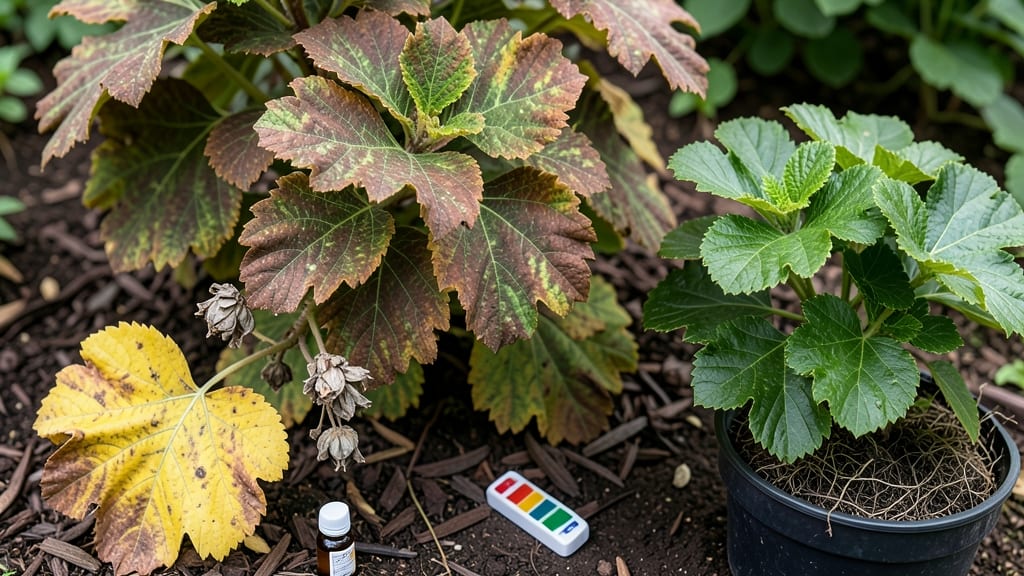
Your oakleaf hydrangea’s stunning fall foliage could vanish overnight if fungal blight spreads unchecked. 🌿 I’ve battled this exact problem—first with brown spots, then with entire branches dying back—until I learned the early signs and spot-treatment tricks that saved my plants.
The culprit is often powdery mildew or leaf spot, thriving in humid summers or wet springs. You’ll spot it as dark, irregular patches on leaves (not the crisp yellow of nutrient deficiency) or as a fuzzy white coating.
The key is acting fast: once the fungus reaches the stems, pruning alone won’t cut it. Within 7-10 days of consistent treatment, new growth emerges clean and vibrant.
I’ll show you how to prune infected leaves, apply organic sprays, and adjust watering to break the fungus’s cycle—without sacrificing that signature oakleaf shape or fall color.
This method works for both powdery mildew and leaf spot, and the same principles apply whether your hydrangea’s in full sun or partial shade. Let’s get those leaves healthy again.
Root Causes of Oakleaf Hydrangea Struggles
Oakleaf hydrangeas (Hydrangea quercifolia) are prized for their vibrant foliage, stunning fall colors, and adaptability—but when issues arise, they often stem from a mix of environmental stress, cultural mismanagement, or pest/fungal invasions.
Understanding why these problems occur is the first step to prevention and treatment. Below, we break down the most common culprits behind oakleaf hydrangea decline, from soil chemistry to seasonal shifts.
Oakleaf hydrangeas thrive in well-draining, acidic to neutral soil (pH 4.5–6.0). When soil conditions stray from this ideal, problems like chlorosis (yellowing leaves), stunted growth, or poor flowering become inevitable. Here’s why:
- Alkaline soil (pH >7.0):
High pH locks out essential nutrients like iron, manganese, and zinc, leading to interveinal chlorosis (yellowing between leaf veins). Oakleaf hydrangeas, native to the southeastern U.S., evolved in acidic woodlands, so they’re particularly sensitive to limestone-rich or amended soils.
- Compacted or poorly draining soil:
Waterlogged roots suffocate from lack of oxygen, causing root rot (often from Phytophthora fungi). This weakens the plant, making it susceptible to secondary infections like fungal blight. Test your soil—if it stays soggy 24+ hours after rain, drainage is the issue.
- Nitrogen deficiency or excess:
Too little nitrogen = pale, sparse foliage. Too much = lush leaves but fewer blooms and weak stems. Oakleaf hydrangeas prefer a balanced fertilizer (10-10-10 or 20-20-20) applied in early spring, not heavy nitrogen later in the season.
💡 Pro Tip: Mix 2–3 inches of organic matter (compost, pine bark fines, or peat moss) into the soil at planting to improve structure and acidity naturally. For alkaline soil, amend with sulfur or aluminum sulfate (follow package rates).
Oakleaf hydrangeas are hardy (USDA Zones 5–9), but they hate abrupt temperature swings, late frosts, or winter desiccation. These conditions trigger:
- Winter burn (brown, crispy leaf edges):
Cold, dry winds in winter dehydrate evergreen foliage (yes, oakleaf hydrangeas retain leaves in mild winters!). The plant loses moisture faster than roots can replace it, causing cellular damage. This is common in Zone 6 and colder where winters fluctuate.
- Late spring frosts:
New growth in early spring is extremely frost-sensitive. A hard freeze (<28°F) can kill emerging buds before they bloom, leaving bare stems. Oakleaf hydrangeas bloom on old wood, so lost buds mean no flowers that year.
- Heat stress (wilting, leaf scorch):
Prolonged heat (>90°F) + low humidity causes transpiration stress. The plant’s stomata (leaf pores) open to cool down but lose too much water, leading to necrotic edges or premature leaf drop.
🌡️ Actionable Fix:
- Mulch heavily (3–4 inches of wood chips) in late fall to insulate roots.
- Use burlap windbreaks in winter to block drying winds.
- Water deeply before a heatwave (1–1.5 inches/week) and avoid overhead watering in the afternoon.
Oakleaf hydrangeas are not immune to pests and pathogens, especially when stressed. The most damaging culprits include:
| Problem | Why It Happens | Triggers |
|---|---|---|
| Fungal blight (Botrytis or Septoria) | Fungi thrive in humid, stagnant air and wounded leaves. They produce spores that infect through stomata (leaf pores), causing brown, circular lesions with gray mold. |
|
| Aphids & lace bugs | These sap-sucking insects inject toxins that cause yellow stippling (lace bugs) or sticky honeydew (aphids), leading to sooty mold. They target new growth in spring. |
|
| Powdery mildew (Erysiphe) | A fungal film that blocks sunlight, causing leaves to yellow and curl. It spreads via windborne spores and prefers shady, humid conditions. |
|
🎯 Prevention Tip: Space plants 3–5 feet apart for airflow, water at the base (never leaves), and prune in early spring to remove infected debris. For fungal blight, apply neem oil or copper fungicide at the first sign of lesions.
Oakleaf hydrangeas are not like mophead varieties—they bloom on old wood, and aggressive pruning or injury can severely limit flowers or invite disease. Common mistakes include:
- Pruning at the wrong time:
Cutting back in late summer or fall removes next year’s flower buds. Oakleaf hydrangeas should only be pruned in late winter/early spring (just after dormancy).
- Over-pruning or shearing:
Shearing for a "neat" look removes branching points, leading to leggy, sparse growth. These plants thrive on natural shape—prune only to remove dead wood or crowded stems.
Quick Fixes for Oakleaf Hydrangea Woes
Reviving your oakleaf hydrangea starts with pinpointing the issue—and then acting fast! Whether it’s fungal blight, pest invasions, or environmental stress, these practical, step-by-step solutions will help you nurse your plant back to health. Below, we’ve mapped out cause-specific fixes, plus prevention tips to keep your hydrangea thriving long-term.
Fungal infections like powdery mildew or leaf spot can defoliate your oakleaf hydrangea in weeks if left unchecked. Here’s how to treat and prevent it:
🔥 Step 1: Prune Infected Foliage
- Remove all diseased leaves (even if just a few spots appear).
Use sterilized pruners (wipe with rubbing alcohol) to avoid cross-contamination. - Dispose of clippings in the trash—not the compost—since fungi can survive in organic matter. - 💡 Pro Tip: Prune in the morning when leaves are dry to reduce fungal spores spreading via water droplets.
🍳 Step 2: Apply Fungicide
- Store-bought options:
- Neem oil (natural, organic) – Mix 1 tbsp per quart of water, spray every 7–10 days until symptoms fade.
- Copper fungicide (like Bordeaux mixture) – Follow label rates for preventative sprays (especially before rainy seasons).
- DIY remedy:
- Baking soda spray – Combine 1 tsp baking soda + 1 tbsp oil + 1 quart water + a drop of dish soap.
Spray undersides of leaves (fungi love hiding there!).
🌡️ Step 3: Improve Airflow & Light
- Space plants 3–5 feet apart to reduce humidity buildup (fungi thrive in damp, shaded areas).
- Thin out dense foliage if your hydrangea is overgrown—more airflow = fewer fungal hotspots.
- Avoid overhead watering—use drip irrigation or soaker hoses instead.
✨ Prevention for Next Season
- Plant in full sun (6+ hours/day)—hydrangeas tolerate partial shade but need airflow.
- Mulch properly: Use 2–3 inches of organic mulch (like pine bark) but keep it 6 inches away from the stem to prevent rot.
- Water early in the day so leaves dry before evening.
Aphids, spider mites, and scale insects sap your hydrangea’s strength, causing yellowing leaves and stunted growth. Kick them out with these methods:
👨🍳 Step 1: Blast Them Off
- Strong water spray – Hold plants under a hose nozzle on “jet” setting for 10–15 seconds to dislodge pests.
Repeat every 3–4 days for severe infestations. - 💡 Pro Tip: Do this early in the morning—pests are sluggish then, and leaves dry faster.
🔪 Step 2: Introduce Natural Predators
- Ladybugs (buy online or attract with dill or marigolds).
- Lacewings (their larvae devour aphids—release them at dusk).
- Birds & toads – Install a bird feeder or small pond nearby to encourage pest-eating wildlife.
🎯 Step 3: Use Insecticidal Soap or Oil
- Insecticidal soap (like Safer® Brand) – Spray directly on pests (avoid flowers to protect pollinators).
Reapply after rain. - Horticultural oil (like Neem oil) – Apply when temps are above 50°F to avoid plant damage. - 🌡️ Caution: Test sprays on one leaf first—some hydrangeas are sensitive.
🛡️ Long-Term Pest Prevention
- Encourage biodiversity – Plant companion plants like catmint, garlic, or lavender to repel pests.
- Inspect new plants before bringing them home—quarantine for 2 weeks if pests are suspected.
- Avoid over-fertilizing—soft, new growth attracts aphids like an all-you-can-eat buffet!
Yellow leaves, wilting, or slow growth? Your oakleaf hydrangea might be thirsty, root-bound, or struggling with soil issues. Fix it with these easy adjustments:
💧 Step 1: Check the Watering Routine
- Signs of overwatering: Yellow leaves, mushy stems, fungal growth at the base.
- Fix: Let soil dry 2–3 inches deep between waterings.
Use a moisture meter if unsure. - Signs of underwatering: Crispy leaf edges, drooping leaves that don’t bounce back. - Fix: Water deeply 1–2 times per week (more in extreme heat). Mulch heavily to retain moisture.
🔄 Step 2: Refresh the Soil
- Test your soil pH – Oakleaf hydrangeas prefer slightly acidic to neutral (6.0–7.0).
Use a home test kit or send a sample to your local extension office. - Amend heavy clay soil – Mix in compost or peat moss to improve drainage. - 💡 Pro Tip: If your hydrangea’s leaves are purple-tinged, it’s too acidic—add lime (follow package rates).
🌿 Step 3: Prune for Health, Not Just Looks
- Remove dead/dying branches in late winter or early spring to encourage new growth.
- Thin out crowded stems to improve airflow (prevents disease).
- Avoid “heading back” hard—oakleaf hydrangeas bloom on old and new wood, so prune selectively rather than shearing.
🏡 Step 4: Protect from Extreme Conditions
- Winter: Mulch 6–8 inches deep around the base to insulate roots (oakleaf hydrangeas are hardy but benefit from extra protection in harsh climates).
- Summer: Provide afternoon shade in hot, dry regions to prevent leaf scorch.
If your hydrangea is severely infected, root-bound, or declining fast, try these last-resort moves:
Problem Emergency Fix Success Rate Root rot Dig up the plant, trim black/mushy roots, repot in fresh, well-draining soil, and stop watering for 1 week. 60–80% Massive pest infestation Systemic insecticide (like Imidacloprid) applied to the soil (follow label). 70–90% Complete leaf drop Fertilize with balanced 10-10-10, prune back 1/3 of the plant, and move to a sunnier spot. 50–70% 🎯 Final Reminder: The key to long-term success is consistency. Check your hydrangea weekly for early signs of stress, and adjust care as seasons change. With these fixes, your oakleaf hydrangea will bounce back—and put on a showstopping display next year!
Frequently asked questions
1Why are my oakleaf hydrangea leaves turning brown and crispy at the edges?
This is likely winter burn—caused by cold, dry winds dehydrating the evergreen foliage. Oakleaf hydrangeas retain leaves in mild winters, but harsh conditions (especially in Zone 6 and colder) pull moisture from leaves faster than roots can replace it. Mulch heavily (3-4 inches) in late fall and use burlap windbreaks to protect them.
2My oakleaf hydrangea has yellow leaves with green veins—what’s wrong?
This interveinal chlorosis signals iron or manganese deficiency, often from alkaline soil (pH >7.0). Oakleaf hydrangeas prefer acidic to neutral soil (pH 4.5-6.0). Test your soil and amend with sulfur or aluminum sulfate (follow package rates) to lower pH. For quick relief, use a chelated iron supplement like Ironite.
3Can I prune my oakleaf hydrangea in summer to control its size?
No—oakleaf hydrangeas bloom on old wood, so pruning in late summer or fall removes next year’s flower buds. Prune only in late winter/early spring (just after dormancy) to shape the plant. Remove dead/dying branches and thin crowded stems for airflow, but avoid heavy shearing.
4What should I do if my oakleaf hydrangea has white powdery spots?
That’s powdery mildew, a fungal infection thriving in shady, humid conditions. Prune infected leaves immediately, then apply neem oil (1 tbsp/quart water) or a baking soda spray (1 tsp baking soda + 1 tbsp oil + 1 quart water). Space plants 3-5 feet apart for airflow and water at the base (never overhead). Repeat every 7-10 days until cured.
5Why did my oakleaf hydrangea lose all its buds this spring?
Late spring frosts (<28°F) likely killed emerging buds before they opened. Oakleaf hydrangeas bloom on old wood, so lost buds mean no flowers that year. Protect new growth by covering plants with frost cloth during late winter/early spring or choose a slightly sheltered location for next year.