
Aphids
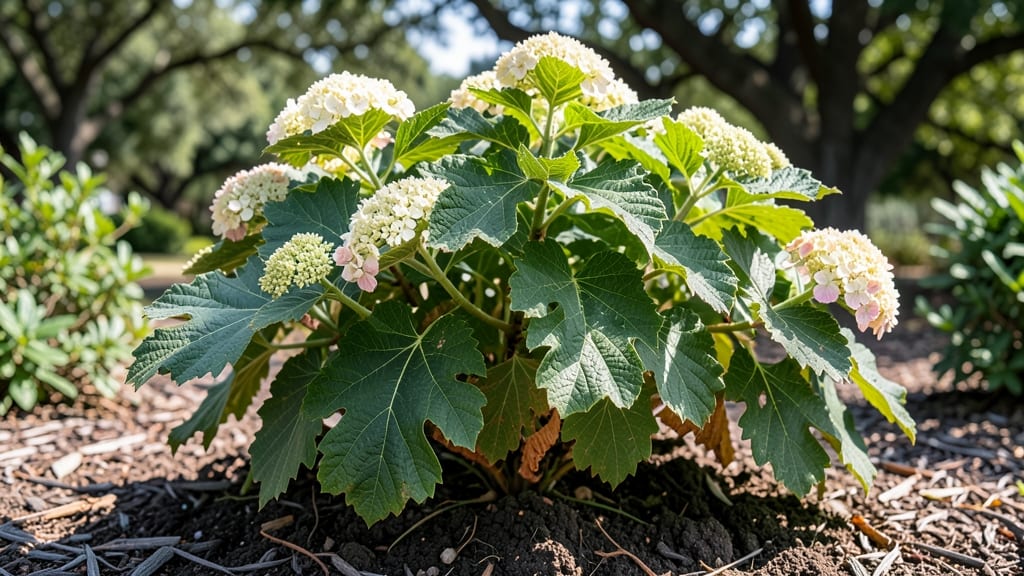
Finding oakleaf hydrangeas near me starts with knowing where to look—and trust me, the right spot makes all the difference. 🌿 These cold-hardy beauties thrive in zones 5-9, so your local nursery isn’t just a store, it’s your first clue to whether they’ll survive your winters.
I’ve learned the hard way that not all sources carry the same quality, especially for this showstopper with its year-round foliage drama.
The best places to hunt for oakleaf hydrangeas are specialty nurseries that focus on perennials, not big-box stores where plants get crowded and stressed. Ask about their source: reputable growers like Monrovia, Proven Winners, or local mail-order nurseries often guarantee hardiness.
Look for plants with deep green, leathery leaves—not yellowing or wilted—and sturdy stems that don’t snap when you gently bend them.
Once you bring one home, you’ll fall in love with how it transforms your garden. In spring, the large white blooms catch every breeze, while fall turns the leaves into fiery shades of burgundy and gold.
Pair it with dwarf conifers for structure or ferns for soft contrast, and you’ve got a four-season star that outshines most annuals.
Regional tip: If you’re in a hot, dry climate, ask about ‘Alice’ or ‘Snow Queen’ varieties—they handle heat better.
And here’s the secret to asking nurseries the right questions: “Do you carry oakleaf hydrangeas grown from cuttings?” Plants propagated this way are hardier and more reliable than those from tissue culture.
📚 In This Guide
- What you need
- Instructions
- Tips and common mistakes
- Wrapping up and next steps
What you need
- ● Oakleaf hydrangea plants – Choose Hydrangea quercifolia (bare-root or potted, 1–3 years old). 2–3 plants are ideal for a small garden bed.
- ● Well-draining soil mix – A blend of 50% native soil, 30% compost, and 20% perlite or sand (6–8 cubic feet per plant).
- ● Organic mulch – 2–3 inches of shredded bark, pine straw, or wood chips to retain moisture and regulate temperature.
- ● Slow-release fertilizer – 10-10-10 or 5-5-5 (1–2 pounds per 100 sq. ft.).
- ● Watering can or hose with a gentle spray nozzle – For deep watering (1–2 gallons per plant, 2–3 times per week).
- ● Garden gloves & trowel – For planting and soil prep.
- ● Shovel or spade – For digging planting holes (12–18 inches wide and deep).
- ● Pruning shears – For shaping and deadheading (sterilized with rubbing alcohol).
- ● pH test kit – Oakleaf hydrangeas prefer acidic soil (pH 5.0–6.0). Adjust with sulfur if needed.
- ● Sunlight assessment – Partial shade (morning sun, afternoon shade) is ideal (6+ hours of light).
- ○ Optional but helpful: Soil aerator for compacted soil.
- ● Epsom salt (for magnesium boost, if leaves yellow).
- ● Pest deterrent (neem oil for aphids or spider mites).
How to plant and care for oakleaf hydrangeas for stunning year-round interest
Here’s how to establish these cold-hardy beauties so they thrive through seasons with minimal fuss.
🌱 Step 1: Choose the Perfect Planting Spot
Oakleaf hydrangeas (Hydrangea quercifolia) demand partial shade—think morning sun with afternoon shade—to prevent leaf scorch. In hotter climates, filtered light under trees works best, while cooler regions tolerate 4-6 hours of direct sun. Avoid deep shade; weak stems and sparse blooms result.
Test your spot by observing how nearby plants fare. If their leaves stay crisp and vibrant, it’s likely ideal. Amend heavy clay soil with 2-3 inches of compost before planting—hydrangeas hate soggy roots but love moisture-retentive, well-draining soil. Dig a hole twice as wide as the root ball but only as deep as the container’s base to prevent burying the stem.
☀️ Step 2: Plant at the Right Time and Depth
Spring or early fall are the only windows for planting. Early spring (just as leaves unfurl) or late fall (after first frost) gives roots time to establish before extreme temperatures. Handle the root ball gently—if it’s root-bound, tease apart the edges with your fingers to encourage outward growth.
Position the plant so the top of the root ball sits level with the soil surface. Pressing soil firmly around the roots eliminates air pockets, but don’t compact it like clay. Water deeply until moisture seeps 6 inches down—you’ll know it’s right when the soil surface looks damp but not glistening. Mulch with 2-3 inches of shredded bark to retain moisture and regulate soil temperature.
💧 Step 3: Water Deeply and Establish a Routine
First year is critical: water weekly (or more in extreme heat) to keep the root zone consistently moist. Let the top 2 inches of soil dry between waterings—this prevents fungal issues while still encouraging deep root growth. Oakleaf hydrangeas are drought-tolerant once established, but young plants need 1-1.5 gallons per week during dry spells.
Use a soaker hose or drip irrigation to deliver water at the base, avoiding wetting leaves—this reduces powdery mildew risk. In summer, check soil moisture every 3-4 days by sticking your finger 2 inches deep. If it feels dry, water thoroughly. Overhead watering in late afternoon? That’s a recipe for fungal trouble.
✂️ Step 4: Prune for Health and Seasonal Interest
Prune late winter or early spring (just before buds swell) to shape the plant and encourage vibrant foliage. Remove dead or crossing branches first, then cut back 1/3 of the oldest stems to the ground—this rejuvenates the shrub and promotes new growth. Never prune in fall; you’ll remove next year’s flower buds.
Oakleaf hydrangeas shine with their fall foliage—deep reds and purples that persist into winter. To enhance this, avoid heavy pruning in late summer. Instead, focus on light shaping to open the center for airflow. After blooming, trim spent flowers to encourage next year’s buds, but leave some seed heads for winter interest.
🌿 Step 5: Feed and Protect for Long-Term Beauty
In early spring, apply a slow-release, acid-loving plant fertilizer (look for 10-10-10 or 12-12-12) to support blooms and foliage. Avoid high-nitrogen fertilizers—they boost leaves at the expense of flowers. Mulch annually in late fall with 2-3 inches of wood chips to protect roots from winter temperature swings.
Young plants benefit from winter protection in their first two years. Wrap the base with burlap or use a lightweight frost blanket if your zone dips below -10°F. Established plants handle cold beautifully, but their exfoliating bark adds texture even in winter. Watch for aphids or scale on new growth—spray with neem oil if you spot sticky residue on leaves.
Tips & tricks for perfect oakleaf hydrangea planting
These cold-hardy beauties reward patience with year-round interest—here’s how to set them up for success.
Location Scout Like a Pro: Oakleaf hydrangeas thrive in morning sun with afternoon shade, but don’t just guess—observe your yard’s microclimates. Test spots by checking nearby plants: crisp, vibrant leaves mean ideal conditions. In hot zones, dappled light under trees works best, while cooler areas handle 4-6 hours of direct sun. The key is preventing leaf scorch while ensuring enough light for those stunning fall colors.
Root Ball Rescue: When planting in Step 2, handle that root ball with care. If it’s root-bound (circling roots visible), gently tease apart the edges with your fingers to encourage outward growth. Position it so the top sits level with the soil surface—burying the stem invites rot. Press soil firmly around roots to eliminate air pockets, but avoid compacting like clay. This simple step prevents future transplant shock and gives your hydrangea a strong start.
Watering Wisdom: The first year is critical for establishing deep roots, so water weekly to keep the root zone consistently moist. Let the top 2 inches of soil dry between waterings to prevent fungal issues, but don’t let it dry out completely. Use a soaker hose or drip irrigation to deliver water at the base—this avoids wetting leaves and reduces powdery mildew risk. In summer heat, check soil moisture every 3-4 days by sticking your finger 2 inches deep. If it feels dry, water thoroughly until moisture seeps 6 inches down.
Pruning Precision: When pruning in late winter or early spring (Step 4), focus on removing dead or crossing branches first, then cut back 1/3 of the oldest stems to the ground. This rejuvenates the shrub and promotes new growth. For fall foliage drama, avoid heavy pruning in late summer—light shaping opens the center for airflow while preserving those vibrant reds and purples. Leave some seed heads for winter interest, but trim spent flowers to encourage next year’s buds.
Pro Tips for Oakleaf Hydrangea Near Me
- These cold-hardy beauties reward patience with year-round interest—here’s how to set them up for success.
- Location Scout Like a Pro: Oakleaf hydrangeas thrive in morning sun with afternoon shade, but don’t just guess—observe your yard’s microclimates.
- Root Ball Rescue: When planting in Step 2, handle that root ball with care.
Frequently asked questions
Got questions about finding and growing oakleaf hydrangeas near you?
Here are the most common ones—and their answers—to help you get started with confidence!
What’s the best time of year to plant oakleaf hydrangeas?
Plant them in early spring or fall for the best results. This gives roots time to establish before extreme heat or cold sets in. Avoid planting in summer—hot weather can stress young plants. If you’re adding them to an existing garden, prioritize fall planting for a head start on next year’s blooms!
How do I find oakleaf hydrangeas for sale near me?
Start by checking local nurseries (especially those specializing in perennials or native plants). Search online for “oakleaf hydrangea near me” on platforms like PlantCable, Local Harvest, or even Facebook Marketplace for smaller growers. Pro tip: Call ahead—some places only stock them seasonally (spring/fall)!
Are oakleaf hydrangeas deer-resistant?
While they’re less appealing to deer than other hydrangeas, they’re not deer-proof. Young plants are especially vulnerable. To deter nibbling, try deer repellent sprays, fencing, or companion planting with deer-resistant shrubs like boxwood or lavender. A light layer of mulch can also help protect roots!
Why aren’t my oakleaf hydrangeas blooming?
Blooms often fizzle due to over-pruning (cut back in late winter/early spring, not fall) or poor sunlight. These hydrangeas thrive in partial shade but need at least 4–6 hours of sun for flowers. Check for nutrient deficiencies (yellow leaves = nitrogen; brown edges = phosphorus). A balanced spring fertilizer can help!
What’s a good alternative if oakleaf hydrangeas aren’t available?
If you love the year-round foliage but can’t find oakleaf hydrangeas, try:
- Oakleaf cotoneaster – Similar fall color, drought-tolerant.
- Smoke bush (Cotinus) – Stunning purple foliage and long blooms.
- Panicle hydrangea – More cold-hardy, with big summer flowers.
- Japanese maple – For small-space drama with vibrant fall leaves.
Wrapping up and next steps
Transforming your garden with oakleaf hydrangeas is a rewarding way to add year-round beauty and resilience to your outdoor space! 🌿 These cold-hardy perennials offer stunning foliage, seasonal blooms, and minimal upkeep—perfect for gardeners at any skill level.
Whether you’re drawn to their vibrant fall colors or their ability to thrive in diverse climates, now’s the time to plant, nurture, or simply admire these showstoppers.
Ready to get started? Check local nurseries or online plant directories to find oakleaf hydrangeas near you, then grab your gardening gloves and make your garden shine! 🌸