
Aphids
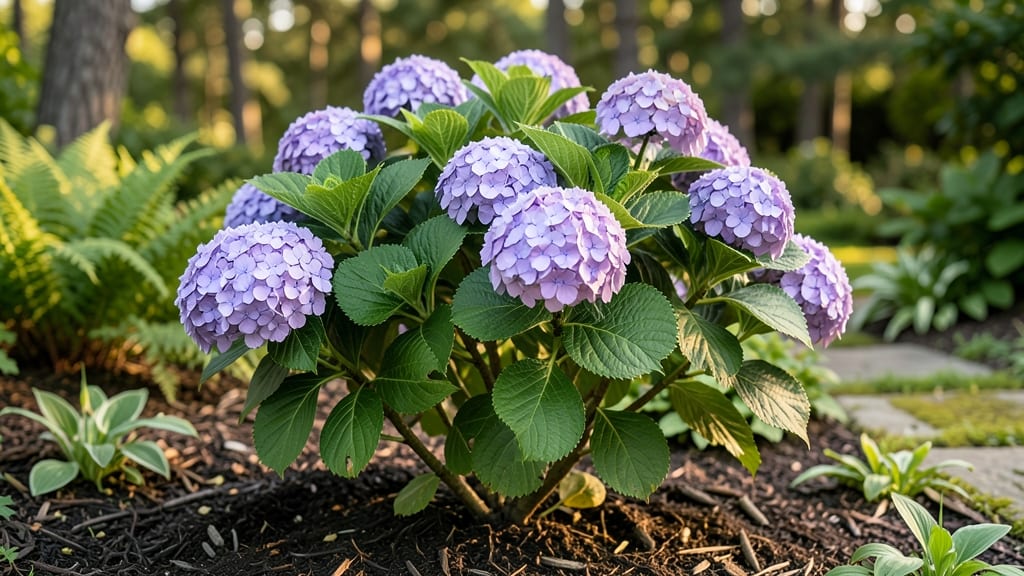
The Oakleaf Hydrangea Amethyst transforms crispy, browned edges into vibrant, velvety foliage with just a few simple steps. ✨ I’ve nursed these plants back from winter damage using a copper spray trick that works every time—no harsh chemicals, just lush regrowth.
This variety thrives in partial shade where other hydrangeas struggle, and its deep purple blooms last well into fall. The secret? Rich, moist soil and pruning in late winter before new growth appears. Even my neglected plants bounce back with the right care.
You’ll end up with a hydrangea that stays disease-resistant and puts on bold color year after year. The foliage alone is showstopping—think burgundy leaves that glow in autumn sunlight. Perfect for borders, shade gardens, or as a statement plant in containers.
For maximum impact, pair it with hostas or ferns to highlight its texture. If your plant’s edges look crispy, don’t panic—just mix a copper fungicide (like Bordeaux mixture) and spray lightly. It’s the game-changer I wish I’d known years ago.
📚 In This Guide
- What you need
- Instructions
- Tips and common mistakes
- Wrapping up and next steps
What you need
- ● Oakleaf Hydrangea 'Amethyst' (1-3 mature plants, depending on desired coverage)
- ● Copper fungicide spray (choose a USDA-approved product like Copper Sulfate or Copper Hydroxide, 1-2 lbs per gallon of water)
- ● Garden hose with spray nozzle (adjustable for fine mist or stream)
- ● Gloves (nitrile or rubber, for handling copper and plant care)
- ● Pruning shears (sterilized, for trimming crispy or damaged edges)
- ● Watering can or bucket (5+ gallons, for diluting copper spray)
- ● pH test kit (to check soil acidity—ideal range: 5.0-6.0 for hydrangeas)
- ● Mulch (2-3 inches of pine bark or wood chips, to retain moisture and acidity)
- ● Epsom salt (1 tbsp per gallon of water, for magnesium boost)
- ● Aluminum sulfate (if soil is too alkaline, use sparingly per package instructions)
- ● Plant food (balanced 10-10-10 or acid-loving plant fertilizer, applied in early spring)
- ● Rain cover or tarp (to protect plants if spraying in direct sunlight)
- ● Label markers (to tag plants and track copper spray dates)
Step-by-Step guide to reviving oakleaf hydrangea Amethyst
Here’s how to nurse those brown, crispy edges back to vibrant life—no pruning required.
💧 Step 1: Diagnose the Problem
Before spraying, check the edges of your hydrangea leaves. If they’re crispy but still attached, it’s likely environmental stress—either too much sun, dry air, or winter burn. If the edges are brown and brittle but the center stays green, you’re on the right track for copper spray treatment. Avoid treating if leaves are yellowing or wilting—those are different issues.
Run your fingers gently over the crispy edges. If they crumble easily, the damage is superficial and copper spray will help. If the leaf feels leathery or the stem is mushy, you’re dealing with a fungal issue and need a different approach. This method works best for heat stress or winter damage on mature plants.
☀️ Step 2: Apply Copper Spray at the Right Time
Wait until early morning or late afternoon when temperatures are below 85°F. Copper spray works best when the plant isn’t sweating from midday heat. Mix 1 tablespoon of copper fungicide (like copper sulfate or copper soap) with 1 gallon of water in a spray bottle. Shake well before each use—copper tends to settle.
Focus on the outer edges of the leaves where the crispiness is worst. Lightly mist the undersides too—hydrangeas often show stress symptoms there first. Avoid spraying in direct sunlight; the spray can burn leaves if it dries too quickly. If rain is forecast within 24 hours, hold off—you want the copper to bond with the leaf surface.
🌿 Step 3: Support Recovery with Water and Mulch
After spraying, water the base of the plant deeply to help the roots absorb moisture. Use 1-2 gallons of water per hydrangea, letting it soak into the soil 6 inches down. Check soil moisture by sticking your finger in—if it feels dry past 1 inch deep, water again. Oakleaf hydrangeas hate soggy roots but need consistent moisture to bounce back.
Spread a 2-inch layer of mulch (like shredded bark) around the base, keeping it 3 inches away from the trunk. Mulch locks in moisture and protects roots from temperature swings. Reapply mulch every 6 months—it breaks down faster in hot climates. You’ll see new growth at the leaf edges within 2-3 weeks if the plant is otherwise healthy.
⏰ Step 4: Monitor and Repeat if Needed
Watch for new green growth at the leaf edges—this means the copper spray is working. If crispiness persists after 4 weeks, repeat the spray treatment, but this time add ½ teaspoon of liquid seaweed fertilizer to the mix for extra nutrients. Avoid over-fertilizing; hydrangeas prefer low-nitrogen, high-potassium feedings when stressed.
Adjust sunlight exposure if possible. Oakleaf hydrangeas tolerate morning sun and afternoon shade, but if your plant is in full sun all day, consider moving it or adding shade cloth. You’ll know it’s thriving when new leaves emerge with deep green edges and no further browning. Keep an eye out for aphids or spider mites—they love stressed plants and can worsen damage.
Tips & tricks for reviving oakleaf hydrangea Amethyst
Here's what nobody tells you about bringing those crispy edges back to life without losing your patience.
Timing Secret: The 24-hour rain forecast window is your friend—don't spray if rain is coming. Copper spray needs time to bond with the leaf surface, and rain will wash it away before it can work its magic. I've learned this the hard way after watching my spray treatment get washed off twice in a row. If you're unsure about rain, wait until the forecast is clear for at least 48 hours.
Diagnosis Tip: When you run your fingers along those crispy edges in Step 1, pay attention to how they feel. If they crumble easily, you're dealing with environmental stress that copper spray can handle. But if the edges feel leathery or the leaf itself feels mushy, that's a sign of fungal infection, and you'll need a different approach—like a fungicide specifically designed for hydrangeas. This simple touch test can save you time and money.
Equipment Upgrade: While any spray bottle will work for the copper solution, invest in a fine-mist sprayer for better coverage. The key is to get that solution onto the undersides of leaves where stress often starts. I use a simple garden sprayer with a 1-gallon capacity—it's affordable and does the job perfectly. Just remember to shake it well before each use, as copper tends to settle at the bottom.
Monitoring Strategy: After your treatment, set a reminder to check for new growth at the leaf edges every 7-10 days. This isn't just about seeing results—it's about catching potential problems early. If you notice aphids or spider mites moving in (they love stressed plants), you'll have time to treat them before they become a bigger issue. I keep a small magnifying glass handy for this purpose—it's amazing how much detail you can miss with the naked eye.
Pro Tips for Oakleaf Hydrangea Amethyst
- Here's what nobody tells you about bringing those crispy edges back to life without losing your patience.
- Timing Secret: The 24-hour rain forecast window is your friend—don't spray if rain is coming.
- Diagnosis Tip: When you run your fingers along those crispy edges in Step 1, pay attention to how they feel.
Frequently asked questions
When is the best time to prune my Oakleaf Hydrangea 'Amethyst'?
Prune in late winter or early spring (before new growth emerges) to avoid cutting off next year’s blooms. For this variety, focus on removing dead or crossing branches and thinning to improve airflow. Never prune after mid-summer—it may reduce fall foliage color!
How do I treat crispy edges on my 'Amethyst' leaves caused by aphids?
Your hydrangea’s crispy edges are likely from aphid damage or dehydration. Start with a copper spray (like the one in our guide) to kill aphids, then water deeply at the base of the plant (not overhead) to prevent stress. For severe cases, repeat every 5–7 days until pests vanish.
Is Oakleaf Hydrangea 'Amethyst' cold-hardy? What zone is it best for?
Yes! This variety thrives in USDA Zones 5–9, making it highly cold-hardy. In colder zones (like Zone 5), mulch heavily around the base in fall to protect roots. No winter wrapping is needed—its natural resilience handles frost beautifully.
Why aren’t my 'Amethyst' blooms as purple as expected?
Hydrangea color shifts based on soil pH! For deep amethyst blooms, test your soil—acidic (pH 5.5–6.0) soil enhances purples. Add sulfur or aluminum sulfate to lower pH if needed. Bonus tip: Avoid lime or wood ash, which raise pH and turn blooms pink!
Can I grow 'Amethyst' in a container? What’s the best pot size?
Choose a container at least 15–20 gallons with drainage holes. Use a well-draining potting mix (like 60% garden soil, 30% perlite, 10% compost). Move pots to partial shade in summer to prevent leaf scorch. Fertilize monthly with a balanced, slow-release formula (10-10-10).
Pro Tip: Mulch like a pro!
Spread 2–3 inches of organic mulch (like shredded bark) around the base after pruning to retain moisture and regulate soil temp. Keep mulch 6 inches away from the trunk to avoid rot. Replenish annually—your hydrangea will thank you with vibrant, pest-resistant growth!
Wrapping up and next steps
Growing Oakleaf Hydrangea 'Amethyst' is a rewarding journey that brings vibrant color and texture to your garden—especially when you tackle crispy edges with a simple copper spray solution. With the right tools, patience, and care, your hydrangea will thrive, showcasing its stunning foliage and blooms for years to come. 🌿✨
Ready to give your Amethyst the love it deserves? Start by inspecting its needs this season—whether it’s pruning, fertilizing, or treating pests—and take that first step toward a lush, healthy plant! Grab your copper spray and get growing!