
Planting
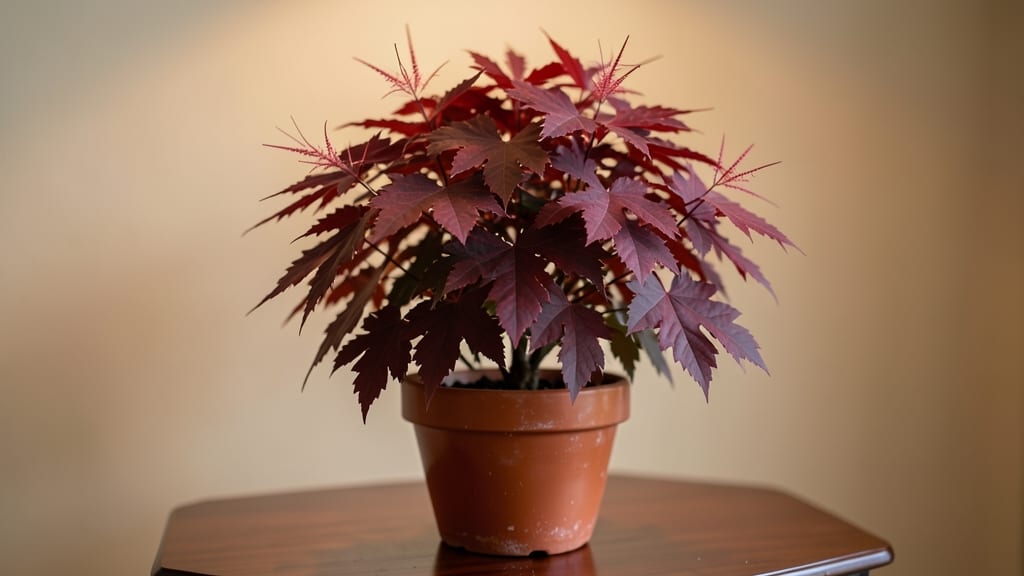
Growing oak leaf plants means bringing bold, glossy foliage to your garden that thrives where other plants struggle. 🌿 These sun-loving perennials—like Abutilon and Fatsia—are the backbone of low-maintenance landscapes, offering disease-resistant leaves that stay vibrant even in tough conditions. The secret to their success? Simple care.
Most varieties handle full sun with ease, need just moderate watering once established, and adapt to different soil types. My Abutilon bush in the front yard grows like a weed once it gets going—no fuss, just lush, oak-shaped leaves all season.
You’ll love how these plants fill empty spaces with texture and color without demanding constant attention. Prune once a year to keep them tidy, and they’ll reward you with bold, healthy growth that outshines flimsy annuals. Perfect for borders, containers, or even as a focal point in sunny spots.
Let’s get yours thriving!
📚 In This Guide
- What you need
- Instructions
- Tips and common mistakes
- Wrapping up and next steps
What you need
- ● Oak leaf plant (Abutilon hybridum) – 1-2 healthy nursery-grown plants or seeds (if starting from scratch). Look for varieties like ‘Bella Rosa’ or ‘Manda’s Red’ for vibrant foliage!
- ● Well-draining potting mix – 1-2 gallons (for containers) or amend garden soil with compost (1 part compost to 3 parts soil) for outdoor planting.
- ● Pot or garden bed – A 10-12 inch diameter container (for indoor/patio) with drainage holes or a sunny, sheltered garden spot (6+ hours of light).
- ● Watering can or hose – For gentle hydration (avoid soggy soil!).
- ● Balanced liquid fertilizer – 10-10-10 or 20-20-20 (diluted to half-strength) for feeding every 4-6 weeks during growing season.
- ● Pruning shears – For shaping and encouraging bushier growth (sterilize blades with rubbing alcohol!).
- ○ Gloves – To protect hands from mild sap irritation (optional but handy!).
- ● Mulch (e.g., pine bark or straw) – 1-2 inches to retain moisture and suppress weeds (outdoor plants only).
- ● Grow lights – LED or fluorescent (12-16 hours/day) if indoor lighting is less than 6 hours of natural light.
- ● Support stakes or trellis – For tall varieties (e.g., ‘Sensation’) to prevent flopping.
How to grow a thriving oak leaf plant (Senecio macroglossus)
This drought-tolerant beauty thrives in full sun—here's how to cultivate its striking foliage.
🌱 Step 1: Select the Right Location and Prepare the Soil
The oak leaf plant (Senecio macroglossus) demands full sun—at least 6-8 hours daily—to develop its signature deep green, oak-shaped leaves. I always choose a spot with well-draining soil because this succulent relative hates soggy roots. If your soil drains poorly, amend it with sand or gravel to improve aeration.
Dig a hole twice as wide as the root ball but only as deep as the container it came in. This prevents burying the stem too deeply, which can cause rot. Loosen the surrounding soil with a fork to encourage root spread. The plant's natural drought resistance means you won’t need to fertilize heavily, but a light application of balanced 10-10-10 fertilizer at planting helps it establish faster.
☀️ Step 2: Plant and Water Sparingly
Remove the plant from its container and gently tease apart any circling roots. Place it in the hole so the top of the root ball sits level with the surrounding soil—never deeper. Fill the hole with soil and press lightly to eliminate air pockets. Water deeply but only once after planting to settle the roots.
Here’s the thing—overwatering kills oak leaf plants faster than underwatering. Wait 7-10 days before watering again, then only when the top 2-3 inches of soil feel completely dry. This plant stores moisture in its leaves, so frequent watering leads to mushy, rotting foliage. I use a soaker hose to deliver water slowly at the base, avoiding the leaves entirely.
✂️ Step 3: Prune for Bushiness and Prevent Overcrowding
Pinch back the tips of new growth when the plant is 6-8 inches tall to encourage bushier, fuller growth. This is where many gardeners make the mistake of waiting too long—leggy stems form quickly, and pruning later never gives you the compact shape you want. Use clean, sharp pruners to avoid crushing stems, and remove any yellow or brown leaves immediately to prevent disease.
Divide mature clumps every 3-4 years in early spring. Dig up the plant, separate the root sections with a knife, and replant the healthiest divisions. This rejuvenates the plant and gives you free propagation material. Just be sure to let the cuttings dry for 1-2 days before replanting to prevent rot.
🪴 Step 4: Protect From Harsh Winter Conditions
While oak leaf plants tolerate USDA zones 9-11, they’re not frost-hardy. In colder climates, I dig up the plant in fall, trim back the foliage by half, and pot it in well-draining soil. Store it in a cool, dry place (like a garage) where temperatures stay between 40-50°F. Water sparingly—just enough to keep the soil from drying out completely.
In spring, repot the plant in fresh soil and return it to the garden after the last frost date. The key is gradual acclimation—place it outside for 1-2 hours daily the first week, increasing exposure over 10-14 days. This prevents shock and ensures a smooth transition back to outdoor growing conditions.
💧 Step 5: Maintain Through the Growing Season
Once established, oak leaf plants are nearly maintenance-free. Mulch around the base with 2-3 inches of gravel or coarse sand to suppress weeds and improve drainage. Avoid organic mulch—it retains too much moisture and can lead to root rot. Watch for aphids or spider mites, which occasionally target stressed plants, and treat with neem oil if needed.
You’ll know you’re doing it right when the plant grows 2-3 feet tall and wide with thick, leathery leaves. If the leaves start looking pale or leggy, it’s a sign of too much shade—move it to a sunnier spot immediately. This plant rewards patience with year-round interest, making it a standout in any sunny garden bed.
Tips & tricks for perfect oak leaf plant cultivation
Here's what nobody tells you about growing this resilient beauty—trust me, these details make all the difference.
Sunlight Strategy: The 6-8 hours of daily sun requirement isn't just about leaf color—it's about photosynthesis efficiency. I've seen plants in partial shade grow leggy and pale, no matter how well-drained the soil. For optimal results, place your oak leaf plant where it gets morning sun and afternoon shade if you're in a very hot climate. This prevents leaf scorch while still maximizing growth.
Soil Science: When amending soil with sand or gravel, aim for a 20-30% mix with your native soil. Too much amendment can disrupt the soil's natural structure and actually reduce drainage. I test my amended soil by making a ball—if it crumbles easily when dry and doesn't stay compact when wet, you've got the right balance. The goal is to mimic the rocky, well-draining conditions of its native habitat.
Watering Wisdom: The 7-10 day waiting period before watering again might seem long, but it's crucial for developing that drought-resistant character. I've learned that watering deeply but infrequently encourages the plant's roots to grow deeper in search of moisture. This creates a stronger, more resilient plant that can handle dry spells. Use your finger to check moisture—if the top 2-3 inches feel completely dry, it's time to water.
Winter Survival: For the gradual acclimation process in spring, I've found a simple schedule works best: Week 1 (1-2 hours/day), Week 2 (3-4 hours/day), Week 3 (full sun). This slow transition prevents shock and helps the plant adjust to outdoor conditions. Don't rush it—even a day of full sun too early can cause leaf burn. The 40-50°F storage temperature is critical; any warmer and you risk encouraging new growth that will be damaged by returning cold snaps.
Pro Tips for Oak Leaf Plant
- Here's what nobody tells you about growing this resilient beauty—trust me, these details make all the difference.
- Sunlight Strategy: The 6-8 hours of daily sun requirement isn't just about leaf color—it's about photosynthesis efficiency.
- Soil Science: When amending soil with sand or gravel, aim for a 20-30% mix with your native soil.
Frequently asked questions
How often should I water my oak leaf plant?
The oak leaf plant (Ruscus aculeatus) is drought-tolerant once established. Water deeply once a week during the first growing season, then reduce to every 2-3 weeks in mature plants. Overwatering can cause root rot, so always check soil moisture—stick your finger 2 inches deep. Pro tip: Mulch around the base to retain moisture and suppress weeds!
When is the best time to plant oak leaf plants?
Plant oak leaf plants in early spring or early fall for optimal root establishment. Avoid extreme heat or frost, as young plants are sensitive. If planting in containers, you can do so year-round in mild climates. Pro tip: Wait until nighttime temperatures stay above 50°F (10°C) for best results!
Can oak leaf plants grow in shade? What’s the ideal light?
While oak leaf plants thrive in full sun to partial shade, they tolerate shade better than many perennials. For vibrant foliage, aim for at least 4-6 hours of sunlight daily. In hot climates, afternoon shade prevents leaf scorch. Pro tip: If leaves yellow, they may need more light!
What pests or diseases should I watch for?
Oak leaf plants are highly disease-resistant, but watch for aphids or scale insects (rare). Treat with neem oil or insecticidal soap if spotted. Fungal issues like powdery mildew can occur in humid, poorly ventilated areas. Ensure good airflow and avoid overhead watering. Pro tip: Prune affected leaves immediately to prevent spread!
Are there good alternatives if I can’t grow oak leaf plants?
If your climate is too harsh or you prefer variety, try these drought-tolerant, glossy-leaved perennials:
- Heuchera (Coral Bells) – Vibrant foliage, shade-tolerant
- Sedum (Stonecrop) – Succulent-like, thrives in sun
- Helleborus (Lenten Rose) – Evergreen, winter-hardy
- Carex (Sedge) – Grass-like texture, low-maintenance
Wrapping up and next steps
Growing an oak leaf plant is a rewarding journey—its vibrant, glossy foliage and low-maintenance nature make it a standout addition to any garden or indoor space. 🌿 Whether you’re a seasoned gardener or a beginner, its sun-loving resilience and disease resistance ensure long-term success with minimal fuss.
Ready to bring this beauty into your space? Start by selecting the perfect spot—whether in a sunny garden bed or a bright indoor nook—and follow the steps above to nurture a thriving oak leaf plant. Happy planting!