
Pruning
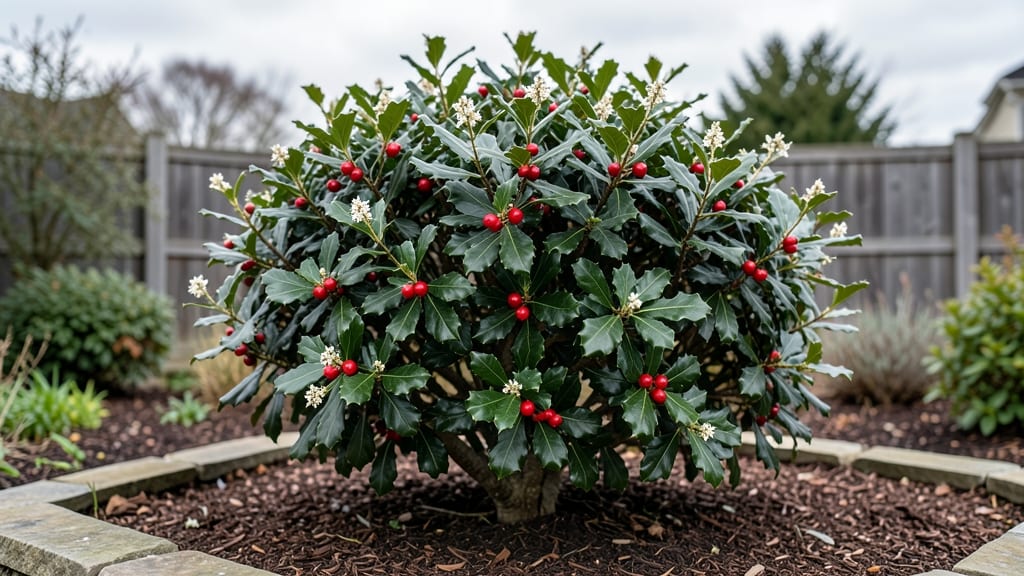
Pruning oak leaf holly trees transforms them from scraggly shrubs into year-round showstoppers—their glossy leaves and vibrant berries deserve the attention. 🌿 I’ve pruned mine every winter for five years, and the difference in shape, density, and berry production is night-and-day.
The key? Timing, technique, and knowing which cuts encourage lush new growth while preserving that iconic oak-like foliage.
Start by gathering your tools—a sharp pair of bypass pruners, loppers for thicker branches, and a clean rag to wipe between cuts. Oak leaf hollies respond best to pruning in late winter or early spring, just as new growth begins.
Focus on removing dead, crossing, or inward-growing branches first—they’re the eyesores that steal energy from berry production. Then shape the tree by thinning out dense areas to let light and air circulate.
What you’ll end up with is a tree that stays compact yet full, with berries ripening from red to deep purple by fall. The glossy leaves stay vibrant through winter, and the structure holds up against snow and wind.
Prune correctly, and you’ll see healthier growth by summer, with fewer pests and diseases clinging to crowded branches. This is how you keep an oak leaf holly looking effortlessly polished.
For those in colder climates, hold off until after the last frost—new growth is frost-sensitive. And if your tree is young, skip heavy pruning for the first few years; let it establish its natural shape.
The payoff? A tree that’s low-maintenance once you’ve got the rhythm, and a landscape centerpiece that stays stunning no matter the season.
📚 In This Guide
- What you need
- Instructions
- Tips and common mistakes
- Wrapping up and next steps
What you need
- ● Pruning shears: Bypass pruners (for cuts up to ½ inch thick). Example: Felco F-2 or Corona Classic.
- ● Loppers: For branches ½ to 1.5 inches thick. Example: Fiskars PowerGearLopper.
- ● Pruning saw: For thicker branches (1.5+ inches). Example: Fiskars X7 or Bahco Ergonomic.
- ● Gloves: Heavy-duty, cut-resistant gloves (e.g., Mechanix Wear or Wagners). Pro tip: 💡 Holly spines are sharp—protect your hands!
- ● Disinfectant: 70% isopropyl alcohol or a 10% bleach solution (to sterilize tools between cuts).
- ○ Extension pole: Optional but helpful for high branches (e.g., 6–10 ft telescoping pole with shears).
- ● 5-gallon bucket: For collecting pruned debris.
- ● Sharpie or masking tape: To mark branches for removal (if planning ahead).
- ● Hand saw: For stubborn, larger branches.
- ● Tree wound dressing: Not recommended for oak leaf holly (they seal wounds naturally), but useful for other trees.
- ● Ladder: Sturdy, non-slip ladder (if branches are >10 ft high). Safety tip: 🌡️ Always have a spotter!
- ● Camera: To document "before" and "after" pruning for tracking growth.
- ● Choose a dry, sunny day (holly prunes best when branches aren’t wet).
- ● Wear long sleeves and pants to avoid holly spines.
- ● Check local pruning guidelines—some regions restrict heavy pruning in fall/winter.
- ● Have a clear plan: Decide whether you’re pruning for shape, health, or both. Pro tip: ✨ Oak leaf hollies respond well to light annual pruning—avoid over-trimming!
Step-by-step pruning guide for oak leaf holly trees
Here’s how to maintain your oak leaf holly’s signature shape while keeping it healthy year-round—no guesswork involved.
✂️ Step 1: Prune in Late Winter or Early Spring
Timing matters most for oak leaf holly. I always prune in late winter (February) or early spring (March) before new growth begins. This ensures you’re cutting back dormant wood while avoiding the stress of summer heat or winter cold. The tree’s natural growth cycle makes this the perfect window to shape without sacrificing foliage.
Use sharp, clean pruning shears to make cuts just above a bud or branch collar—never tear or leave stubs. A clean cut heals faster and prevents disease. If you’re unsure where to cut, look for the small bump where the branch meets the trunk; that’s your target. Oak leaf holly responds well to pruning, so don’t hesitate to remove up to one-third of the plant’s height if needed.
✂️ Step 2: Remove Dead, Diseased, or Crossing Branches First
Start by inspecting the tree for any dead, damaged, or diseased branches. These are easy to spot—they’re often brown, brittle, or lack leaves. Remove them completely at the base. Next, look for branches that cross or rub against each other; these create wounds and invite pests. Cut one of the two branches at the collar, leaving the stronger, healthier branch behind.
I also check for water sprouts—those fast-growing, vertical shoots that pop up along the trunk or branches. These sap suckers drain energy from the tree. Snip them off at the base without hesitation. This step keeps the tree’s energy focused on strong, structural growth rather than weak, unsightly shoots.
🌿 Step 3: Shape the Tree for Balance and Fullness
Oak leaf holly thrives when pruned to maintain its natural, rounded shape. Step back and visualize the tree’s ideal form—think of an inverted cone or dome, depending on your preference. Start by thinning out the innermost branches to allow light and air to reach the center. This prevents dense, shaded areas that can lead to fungal issues.
For a more formal look, trim the outer branches to encourage a uniform silhouette. Cut back to just above an outward-facing bud to promote new growth in the right direction. Avoid over-pruning on one side, as this can create an uneven appearance. If you’re unsure, prune conservatively—you can always remove more later, but you can’t undo over-pruning.
✂️ Step 4: Lightly Prune for Foliage Density in Summer
After the main winter pruning, I do a light maintenance trim in late summer (August) to keep the tree looking its best. This isn’t about drastic shaping but rather tidying up. Remove any sparse or leggy branches that detract from the tree’s fullness. These are often the branches that grew too fast in spring and now look out of place.
I also check for berry clusters—if they’re becoming too heavy or unsightly, you can prune them back lightly. However, leave some berries for wildlife, especially if you’re growing this tree as a food source for birds. A little strategic trimming here ensures the tree stays lush without losing its natural charm.
⏰ Step 5: Clean Up and Monitor Year-Round
After pruning, rake up and dispose of all clippings to prevent disease or pests from lingering in the yard. Sterilize your pruning tools with rubbing alcohol to avoid spreading pathogens between cuts. Store them in a dry place until next season.
Keep an eye on the tree throughout the year. If you notice new growth that’s too aggressive or unbalanced, do a quick trim in early summer to redirect its energy. Oak leaf holly is forgiving, but consistency is key. A little attention now means a full, healthy tree for years to come.
Tips & tricks for pruning oak leaf holly trees
Real talk: Pruning oak leaf holly can feel intimidating, but these tricks will help you achieve that perfect, natural shape without stress.
Timing is Everything: The February-March window isn't just arbitrary—it's when the tree's energy is dormant but ready to rebound. I've seen trees recover beautifully from aggressive pruning in late winter, but summer cuts can stress them unnecessarily. If you miss the window, wait until late fall, but avoid pruning during extreme heat or cold. The tree's resilience makes this timing flexible, but sticking to the schedule ensures the best results.
Tool Prep Makes All the Difference: Before you start, sharpen your pruning shears and sterilize them with rubbing alcohol. A dull blade tears tissue instead of making clean cuts, which slows healing and invites disease. I keep a small bottle of alcohol in my gardening toolkit specifically for this purpose. For larger branches, use loppers or a pruning saw—never force small tools on thick growth. The right tools prevent damage and make the job easier.
Visualize Before You Cut: Step back and study your tree's natural shape before making any cuts. Oak leaf holly naturally grows in a rounded form, so work with that rather than against it. In Step 3, when shaping, imagine an inverted cone—this helps maintain balance. I often sketch a quick outline on paper to guide my cuts, especially for formal hedges. This prevents over-pruning and creates a more harmonious look.
Seasonal Maintenance Matters: That light summer trim in August isn't optional—it's what keeps your tree looking its best year-round. Focus on removing only the most problematic branches (sparse, leggy, or overcrowded growth) rather than trying to reshape the entire tree. I treat this as more of a tidying-up session than a major pruning event. The goal is to maintain density without stressing the tree during its peak growing season.
Pro Tips for Oak Leaf Holly Tree
- Real talk: Pruning oak leaf holly can feel intimidating, but these tricks will help you achieve that perfect, natural shape without stress.
- Timing is Everything: The February-March window isn't just arbitrary—it's when the tree's energy is dormant but ready to rebound.
- Tool Prep Makes All the Difference: Before you start, sharpen your pruning shears and sterilize them with rubbing alcohol.
Frequently asked questions
Got questions about keeping your oak leaf holly tree looking its best year-round?
Here are some of the most common concerns—plus quick, actionable answers to keep your tree thriving!
When is the best time to prune an oak leaf holly tree?
The ideal time to prune is late winter or early spring (just before new growth begins). This minimizes stress and helps the tree recover faster. Avoid heavy pruning in fall, as it can stunt new growth before winter. For light shaping, you can trim anytime—but never prune during extreme heat or drought.
How much can I trim back without harming the tree?
Oak leaf hollies are resilient, but avoid removing more than 25-30% of the foliage in one session. Over-pruning can weaken the tree and reduce its ability to produce berries. Focus on selective pruning—remove dead, diseased, or crossing branches first, then shape gradually over 2-3 years for a fuller look.
Will pruning affect the berries on my oak leaf holly?
Pruning can reduce berry production if you cut back too aggressively, especially on female trees (which need both male and female plants for berries). To encourage berries, avoid heavy pruning in early spring and leave some older wood intact. If your tree isn’t fruiting, check for nearby male hollies or consider planting one nearby!
What should I do if my oak leaf holly has brown or yellow leaves after pruning?
Brown/yellow leaves post-pruning are often normal, especially if you trimmed in hot weather or during drought. Water deeply and apply a balanced fertilizer to help recovery. If the issue persists, check for pests (like spider mites) or fungal diseases (like leaf spot). Prune affected branches below the damage to prevent spread.
Can I use the same pruning techniques for a young vs. mature oak leaf holly?
For young trees (under 5 years), focus on structural shaping—remove competing leaders and thin out crowded branches to encourage a strong framework. For mature trees, prioritize rejuvenation pruning: thin out dense areas, remove deadwood, and open the canopy for airflow. Always use clean, sharp tools to avoid tearing bark.
Pro Tip:
Tag branches you plan to prune with colored flags in late winter—this helps you visualize the final shape before making cuts! For large branches, use the three-cut method to prevent bark stripping.
Wrapping up and next steps
Pruning your oak leaf holly tree doesn’t have to be intimidating—it’s all about timing, technique, and a little patience! 🌿 With the right tools and a clear plan, you’ll keep your tree thriving year-round, showcasing its stunning foliage and vibrant berries.
Whether you’re trimming for shape, health, or seasonal renewal, consistency is key.
Ready to take the next step? Grab your pruners, mark your calendar for the best pruning windows, and start small. Over time, your oak leaf holly will reward you with lush, vibrant growth—making your yard the envy of the neighborhood! 🌟