
Trees
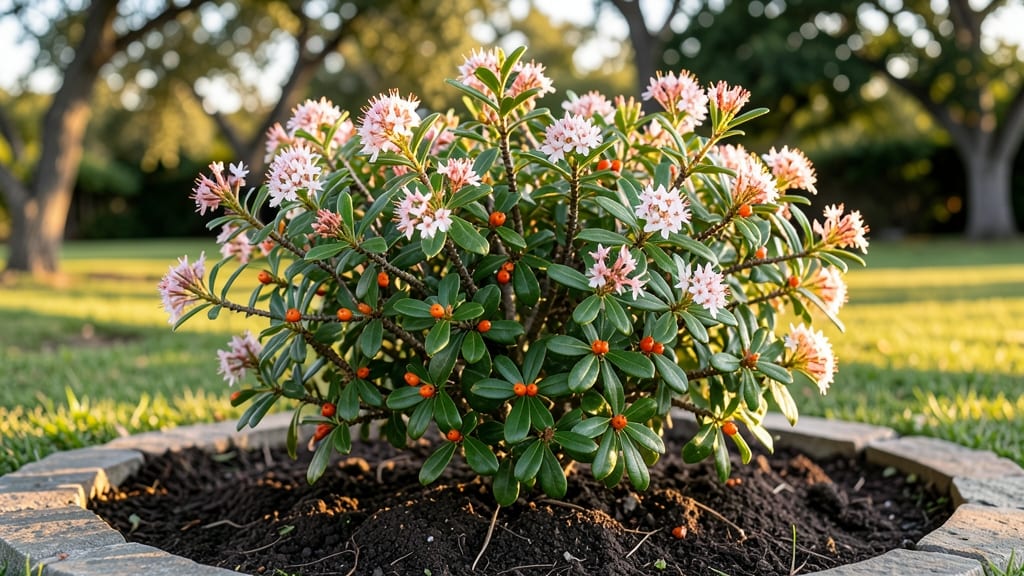
Planting an oak leaf bush transforms your yard into a lush, drought-resistant retreat. 🌿 These evergreens thrive with minimal fuss, making them perfect for busy gardeners or dry climates. Just give them sun and well-draining soil, and they’ll reward you with glossy foliage year-round.
They love full sun but tolerate partial shade, and their deep roots mean they rarely need watering once established. Prune lightly in late winter to shape them, and watch them grow into a sturdy, elegant hedge or standalone specimen.
Varieties like holly oak or cherry laurel add texture and year-round interest. By summer, your oak leaf bush will be a vibrant centerpiece, its leaves turning a rich bronze in cold weather. It’s the kind of plant that grows with you—low-maintenance yet stunning.
Ready to make it part of your landscape?
Start with healthy nursery stock and a spot with at least 6 hours of sunlight daily. Amend heavy clay soil with compost to improve drainage, as these bushes hate soggy roots. Plant in early spring or fall, spacing them 6–10 feet apart for a natural look.
Water deeply after planting, then let nature take over. Oak leaf bushes are tough—once settled, they handle drought like a pro. Fertilize lightly in spring with a balanced formula, and you’re done. No fuss, just beauty.
For design ideas, use them as a privacy screen, foundation planting, or standalone focal point. Their glossy leaves contrast beautifully with flowering perennials or evergreen shrubs. And if deer are a problem? Don’t worry—they usually leave these bushes alone.
With proper care, your oak leaf bush will thrive for decades, becoming a cherished part of your landscape. It’s the kind of plant that makes gardening feel effortless. Ready to grow one?
📚 In This Guide
- What you need
- Instructions
- Tips and common mistakes
- Wrapping up and next steps
What you need
- ● Oak leaf bush plants: 1–3 nursery-grown Quercus species (e.g., Q. virginiana or Q. palustris—check local climate suitability).
- ● OR Oak leaf bush seeds (if propagating from scratch).
- ● Well-draining soil: Mix of 60% native soil, 30% compost, and 10% coarse sand or perlite (for aeration).
- ● Organic mulch: 2–3 inches of pine straw, wood chips, or shredded leaves (to retain moisture).
- ● Slow-release fertilizer: Balanced 10-10-10 NPK or oak-specific fertilizer (apply at planting and once annually).
- ● Garden trowel or shovel (for digging holes 3x wider than the root ball).
- ● Watering can or hose with gentle spray nozzle (avoid high pressure).
- ● Pruning shears (sterilized with rubbing alcohol to prevent disease).
- ● Gloves (to protect hands from thorns or rough bark).
- ○ Optional: Soil pH test kit (ideal range: 5.5–7.0; amend with sulfur or lime if needed).
- ● Full sun location (6+ hours of direct sunlight daily).
- ● Space: Mature oak leaf bushes reach 10–15 feet tall/wide—plan spacing 15–20 feet apart.
- ● Drought-tolerant zone (USDA Zones 5–10; verify local frost dates).
Step-by-step instructions for planting and caring for oak leaf bushes
Here’s how to establish these drought-tolerant beauties with minimal fuss—once planted right, they’ll thrive for years.
🌱 Step 1: Choose the Perfect Planting Spot
Oak leaf bushes (Quercus ilex or Quercus robur) crave full sun to partial shade—at least 6 hours of direct sunlight daily for best growth. I always scout the site first: look for areas with well-draining soil and avoid low spots where water pools after rain. These plants hate soggy roots.
If your yard has heavy clay soil, amend the planting area with 2-3 inches of compost mixed into the top 12 inches of soil. This improves drainage without smothering roots. Test the spot by digging a 12-inch hole—if water sits in it after 30 minutes, pick a higher location.
🪴 Step 2: Plant at the Right Time and Depth
Spring or early fall are ideal planting times—avoid extreme heat or frost. Dig a hole twice as wide as the root ball but no deeper—planting too deep suffocates the roots. Gently remove the bush from its container and loosen any circling roots with your fingers (they’ll strangle growth if left intact).
Place the bush in the hole so the top of the root ball sits level with the surrounding soil. Fill in with native soil, tamping lightly as you go to eliminate air pockets. Water deeply to settle the soil, then add a 2-inch layer of mulch (like pine straw or shredded bark) to retain moisture and suppress weeds. Keep mulch 3 inches away from the trunk to prevent rot.
☀️ Step 3: Water Deeply and Establish a Routine
The first 2-3 weeks are critical—water deeply every 2-3 days until the bush shows new growth. You’ll know it’s getting enough moisture when the soil feels damp 3 inches below the surface. After that, oak leaf bushes are drought-tolerant, but deep watering once a week keeps them thriving in dry climates.
Here’s the thing—overwatering is worse than underwatering. These bushes store water in their thick leaves, so they’d rather go thirsty than drown. If leaves yellow or drop, it’s usually a sign of too much moisture, not too little. Adjust your watering based on rainfall: skip watering if you’ve had 1 inch of rain in the past week.
✂️ Step 4: Prune for Shape and Health
Prune in late winter or early spring before new growth starts. Remove dead, diseased, or crossing branches first—they’ll compete for energy. For shaping, cut back overly long branches by ⅓ to encourage bushier growth. Always use clean, sharp pruners and make cuts just above a leaf node or outward-facing bud.
I know it seems counterintuitive, but don’t prune in fall—new growth won’t harden off before winter, leaving tender shoots vulnerable to frost damage. If you must shape in late summer, do it 6-8 weeks before the first frost to allow time for healing. Avoid heavy pruning more than once a year—oak leaf bushes respond best to gradual shaping.
Tips & tricks for perfect oak leaf bush planting
Took me a while to figure these out, so here goes—these little details make all the difference between a struggling bush and one that thrives for decades.
Sunlight Secret: If your yard has partial shade spots, position the bush where it gets the morning sun and late afternoon light—those hours are gentler and help prevent leaf scorch. I've seen bushes in filtered light grow, but they'll never reach their full potential without at least 6 hours of direct sun each day. Trust me, the difference in leaf color and growth rate is night and day.
Soil Test Trick: Before amending that 12-inch hole with compost, do this quick test: Dig a 6-inch deep hole nearby and fill it with water. If it drains completely within 30 minutes, your soil is perfect. If water still sits after an hour, you definitely need that compost amendment to improve drainage. The goal is soil that feels like a damp sponge, not a swamp.
Mulch Placement: That 2-inch layer of mulch is your best friend, but placement matters just as much as quantity. Pile it 3 inches away from the trunk to prevent rot, and avoid creating a mulch volcano around the base. I've seen new gardeners accidentally smother the trunk with mulch, which can lead to disease. Think of it like a donut—cover the roots but leave the center clear.
Watering Wisdom: When checking soil moisture in those first 2-3 weeks, dig your finger down 3 inches—that's where the roots are actively growing. If it feels dry, water until moisture reaches that depth. Pro tip: Use a rain gauge to track rainfall—once you hit 1 inch of rain, skip your scheduled watering. These bushes are tougher than they look!
Pro Tips for Oak Leaf Bush
- Took me a while to figure these out, so here goes—these little details make all the difference between a struggling bush and one that thrives for decades.
- Sunlight Secret: If your yard has partial shade spots, position the bush where it gets the morning sun and late afternoon light—those hours are gentler and help prevent leaf scorch.
- Soil Test Trick: Before amending that 12-inch hole with compost, do this quick test: Dig a 6-inch deep hole nearby and fill it with water.
Frequently asked questions
Got questions about growing and caring for your oak leaf bush? You're not alone! Here are some of the most common inquiries—plus quick answers to help you keep your drought-resistant beauty thriving with minimal fuss.
How fast does an oak leaf bush grow?
The oak leaf bush (Quercus ilex or Prunus laurocerasus varieties) grows at a moderate pace, typically adding 12–24 inches per year under ideal conditions. In the first few years, expect slower growth as it establishes roots. Patience pays off—these bushes mature into dense, lush hedges over time! Pro tip: Prune lightly in early spring to encourage bushier growth.
Can oak leaf bushes survive drought once established?
One of their biggest perks is drought tolerance once rooted. Mature oak leaf bushes can go weeks without water in dry climates, making them perfect for low-maintenance landscapes. Key tip: Water deeply once a week for the first year to help roots establish, then reduce frequency as it matures. Mulch around the base to retain moisture.
Why are the leaves on my oak leaf bush turning yellow or brown?
Yellowing or browning leaves usually signal overwatering, underwatering, or nutrient deficiencies. Check the soil—soggy roots cause yellowing, while crispy edges mean thirst. Brown spots could indicate fungal issues (like powdery mildew) or pest damage. Adjust watering, improve drainage, and inspect for pests (like spider mites) to troubleshoot. Pro tip: Prune affected leaves to encourage new growth.
What’s the best alternative if I want a similar look but lower height?
If you love the oak leaf bush’s evergreen texture but want a shorter option, consider:
- Dwarf English Holly (Ilex aquifolium 'Argentea Marginata') – Compact, glossy leaves, and drought-tolerant.
- Boxwood (Buxus sempervirens) – Classic hedge plant with dense foliage (needs slightly more water).
- Loropetalum (Loropetalum chinense) – Purple-tinged leaves and heat-resistant.
When and how should I prune my oak leaf bush for a neat shape?
Prune twice a year for the best results: lightly in late winter/early spring (to shape and remove dead branches) and again in mid-summer (to encourage denser growth). Use clean, sharp shears and cut just above a leaf node at a 45-degree angle. Warning: Avoid heavy pruning in fall—it can stimulate tender new growth vulnerable to frost.
Wrapping up and next steps
Growing an oak leaf bush is a fantastic way to add drought-resistant beauty to your landscape with minimal effort—perfect for busy gardeners or eco-conscious homeowners. 🌿 With the right location, soil prep, and a little patience, these hardy plants thrive while requiring almost no fuss.
Whether you’re a beginner or a seasoned gardener, their striking foliage and resilience make them a standout choice for any outdoor space.
Ready to transform your yard? Start by choosing your spot and preparing the soil—then watch your oak leaf bush flourish with confidence! For extra tips, check out our FAQ section or explore other low-maintenance plants to complement your garden.