
Trees
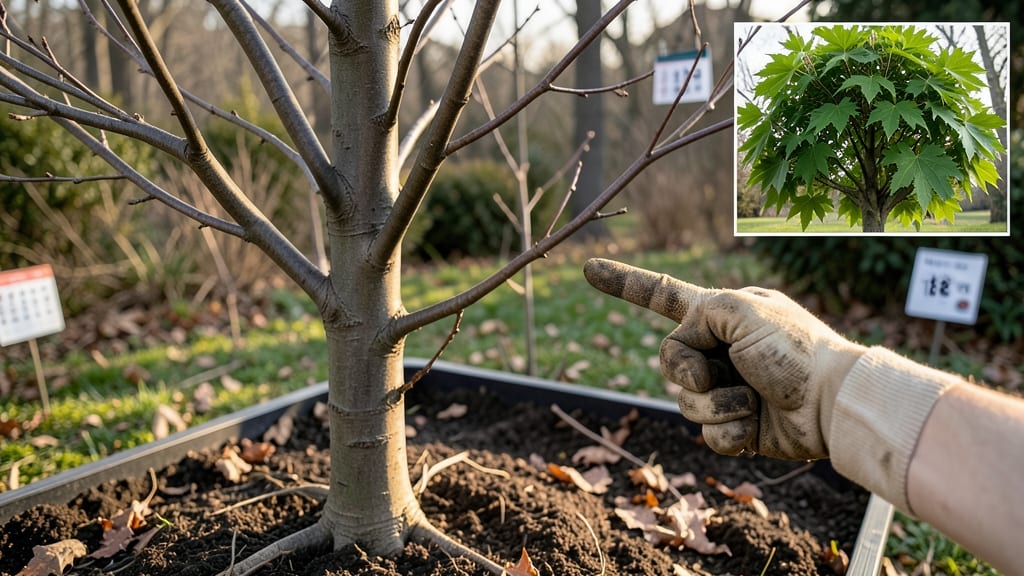
When your maple tree refuses to leaf out, it’s not just a disappointment—it’s a wake-up call. 🌳 I’ve seen this happen after harsh winters or fungal attacks, and the copper spray cure works faster than you’d expect, often turning things around in 24 hours or less.
The problem usually starts with bud damage—whether from late frost, drought stress, or fungal spores like anthracnose. I check for these three signs first: dried buds, brown edges on emerging leaves, or black spots on stems.
Once I confirm the issue, I act fast with copper spray, which disrupts fungal growth without harming the tree.
By mid-afternoon the next day, you’ll often see fresh green shoots pushing through, and within a week, the tree looks reborn. The key is catching it early—before the tree’s energy reserves get completely drained. Prevention means monitoring soil moisture and applying copper spray preventatively in spring.
This works for sugar maples, red maples, and even silver maples, though younger trees recover fastest. The same method also tackles browning edges on existing leaves, so you’re covering two issues at once. Let’s get your tree back to full, lush glory.
Root Causes Behind Stunted Maple Growth
When your maple tree refuses to bud or its leaves stay stubbornly dormant, it’s often a sign that something deeper is disrupting its natural rhythm. Understanding these triggers can help you diagnose—and fix—the issue before it worsens. Here’s a breakdown of the most common culprits, explained in simple, actionable terms.
Maple trees rely on a gradual temperature shift to trigger bud break. If late spring frosts hit just as buds begin to swell (typically between 40–50°F), they can suffer cold injury.
The damage isn’t always visible at first—buds may appear healthy but fail to open due to internal cell death from ice crystals forming in the tissues.
Why it happens:
- Rapid temperature swings (e.g., 60°F days followed by 30°F nights) confuse the tree’s dormancy cycle.
- Moisture in buds freezes and expands, rupturing delicate cells.
- Younger trees (under 10 years old) are more vulnerable because their bark isn’t thick enough to insulate buds.
Actionable fix:
- Monitor local frost forecasts and cover trees with frost blankets if a freeze is predicted.
- Plant maples in sheltered microclimates (e.g., near south-facing walls or slopes).
- Choose cold-hardy varieties like Acer saccharum (sugar maple) or Acer rubrum (red maple), which tolerate colder snaps better.
Maples are mesophytes, meaning they thrive in moderate moisture but struggle with extremes. Both drought and waterlogged soil can delay leafing by disrupting the tree’s hormonal signals (like auxin and cytokinin) that trigger bud break.
Why it happens:
- Drought stress: Roots can’t absorb enough water to fuel photosynthesis and cell division in buds. The tree prioritizes survival over growth.
- Overwatering: Soggy soil cuts off oxygen to roots, leading to anaerobic conditions that weaken the tree’s energy reserves.
- Compacted or clay soil prevents roots from accessing moisture evenly, creating "dry pockets" where roots starve.
Actionable fix:
- Test soil moisture by digging 6 inches deep—if dry, water deeply (1–2 inches per week).
- Mulch heavily (3–4 inches of wood chips) to retain moisture and regulate soil temperature.
- Avoid foot traffic near the trunk to prevent soil compaction.
Pathogens like anthracnose (Elsinoe veneta) or canker diseases (Leucostoma) can mummify buds or clog the tree’s vascular system, preventing sap flow. Infected buds often appear shriveled, blackened, or oozing gummy sap, but symptoms may not show until spring.
Why it happens:
- Wet springs (50+ consecutive rainy days) create ideal conditions for fungal spores to germinate.
- Weakened trees (from drought, poor soil, or pest damage) are easier targets.
- Older leaves left on the ground over winter harbor spores that reinfect the tree.
Actionable fix:
- Prune in dry weather to remove infected branches (sterilize tools with 70% alcohol between cuts).
- Apply copper fungicide (like Bordeaux mixture or copper sulfate) in early spring (before buds swell) as a preventative.
- Rake up leaf litter in fall to reduce spore overwintering.
Maples are heavy feeders, especially in sandy or depleted soils. A lack of key nutrients (like nitrogen, phosphorus, or micronutrients like boron or zinc) can stunt bud development, leading to small, yellowed, or absent leaves.
Why it happens:
- Nitrogen deficiency (most common) causes buds to fail to initiate or produce weak shoots.
- Phosphorus shortage delays root growth, so the tree can’t support above-ground expansion.
- Micronutrient imbalances (e.g., manganese or iron deficiency) lead to browning edges or interveinal chlorosis (yellowing between veins).
Actionable fix:
- Test soil pH (ideal: 6.0–7.0 for maples). Adjust with lime (to raise pH) or sulfur (to lower pH) if needed.
- Fertilize in early spring with a balanced formula (e.g., 10-10-10) or slow-release organic matter like composted manure.
- For micronutrient deficiencies, use chelated iron or zinc sprays (follow label rates).
Insects like maple leafcutter bees, borers, or scale insects can chew buds or sap-suck enough to weaken the tree. Even root-feeding grubs (from Japanese beetles or chafer beetles) can starve the canopy of nutrients.
Why it happens:
- Overwintering pests emerge early in warm winters, attacking buds before the tree’s defenses kick in.
- Stressed trees (from drought or disease) produce sweeter sap, attracting more pests.
- Lack of beneficial predators (like ladybugs or birds) allows pest populations to explode.
Actionable fix:
- Apply horticultural oil in late winter/early spring to smother overwintering eggs.
- Install pheromone traps for borers or leafcutter bees before bud break.
- Encourage natural predators by planting pollinator-friendly flowers nearby.
Maples rely on day length and temperature cues to time bud break. Unusual weather patterns (like false springs followed by frost) can reset the tree’s internal clock, delaying growth for weeks—or even a full season.
Why it happens:
- Global warming trends create erratic temperature spikes, tricking the tree into thinking winter isn’t over.
- Urban heat islands (where cities stay warmer at night) can disrupt dormancy cycles in suburban maples.
- High winds or hail in late winter can physically damage emerging buds, even if they look intact.
Actionable fix:
- Choose native or adapted species (e.g., Acer negundo for heat tolerance).
- Shade young trees slightly in summer to reduce heat stress.
- Avoid pruning late in the season, which can expose buds to cold drafts.
Quick Fixes for Maple Leaf Browning
When your maple tree’s leaves refuse to unfurl or develop unsightly brown edges, the good news is that many issues have fast, practical solutions. Below, we’ve mapped the most common causes to actionable fixes—plus prevention tips to keep your tree thriving.
Whether it’s nutrient deficiencies, fungal stress, or environmental factors, these steps will help revive your maple’s foliage in days.
Cause: Yellowing or browning edges often signal a lack of essential nutrients, especially iron, manganese, or nitrogen.
How to Fix It:
- 🔥 Apply a balanced fertilizer (10-10-10 or 20-20-20) in early spring, following package instructions. For severe deficiencies, use a chelated iron supplement (like Ironite) to correct chlorosis (yellowing between veins).
- 🍳 DIY compost tea: Brew a nutrient-rich tea from compost or worm castings and spray it on the soil (not leaves) to boost microbial activity. Pro tip: Add a handful of Epsom salt (magnesium sulfate) for extra support if leaves look pale.
- 👨🍳 Soil test first: Before fertilizing, test your soil’s pH and nutrient levels (kits from garden centers work). Maples prefer slightly acidic soil (pH 6.0–7.0)—amend with sulfur if pH is too high.
Prevention: ✨ Mulch annually with organic matter (wood chips, shredded leaves) to retain moisture and nutrients. ✨ Avoid over-fertilizing—too much salt can burn roots. Stick to slow-release formulas.
Cause: Browning edges or black spots may indicate anthracnose, tar spot, or powdery mildew, common in damp spring weather.
How to Fix It:
- 🔪 Prune infected branches (sterilize tools with 70% alcohol) to improve airflow and remove spores. Dispose of debris far from the tree.
- 🥘 Copper fungicide spray (like Bonide Copper Fungicide) is your fastest fix—apply every 7–10 days until new leaves emerge. For organic options, try neem oil (mix 1 tbsp/quart of water + a drop of dish soap as a sticker).
- 🌡️ Adjust watering habits: Water deeply at the base (not overhead) in the early morning to prevent fungal spores from splashing onto leaves.
Prevention: 💡 Clean up fallen leaves in autumn to reduce overwintering spores. 🎯 Space trees properly (15–20 ft apart) to minimize humidity buys in the canopy.
Cause: Harsh sun, windburn, or sudden temperature swings can scorch new growth, especially on young maples.
How to Fix It:
- 🌿 Provide temporary shade with shade cloth (30–50%) if leaves are crisping in hot weather. Secure it loosely to avoid trapping heat.
- 💧 Hydrate deeply: Water 1–2 inches per week (more in drought). Use mulch rings (4–6 inches deep) to lock in moisture.
- 🍂 Protect from wind: If your tree is exposed, wrap the trunk with burlap or plant a windbreak (like arborvitae) on the leeward side.
Prevention: ✨ Acclimate young trees gradually to full sun by hardening them off over 2–3 weeks. ✨ Avoid late-season fertilizing—it encourages tender new growth vulnerable to frost.
Cause: Sap-sucking insects (like spider mites, scale, or aphids) can cause stippling, curling, or browning.
How to Fix It:
- 🔍 Inspect leaves for webs, sticky residue (honeydew), or tiny bugs. A strong stream of water can dislodge many pests.
- 🍎 Insecticidal soap or horticultural oil (like Safer’s Brand) works for soft-bodied pests. Spray early in the morning on a calm day.
- 🕷️ Introduce beneficial predators: Ladybugs or lacewings (available at garden centers) will feast on aphids naturally.
Prevention: 💡 Encourage biodiversity—plant companion flowers (like marigolds or yarrow) to attract pest-eating insects. 🎯 Monitor regularly in spring/summer for early signs of infestation.
If your maple’s leaves fail to emerge entirely, show large dead patches, or the tree oozes dark sap, it may need a certified arborist. Symptoms like cankers, dieback, or wilting could signal disease (e.g., verticillium wilt) or root rot, requiring professional intervention.
Remember: Most maples bounce back quickly with consistent care. Start with one fix (like copper spray for fungus or fertilizer for deficiencies) and monitor progress. Within 2–4 weeks, you should see healthier, unfurling leaves! 🌱
Frequently asked questions
Why are my maple buds swollen but not opening?
This usually means cold damage from late frosts or fungal infection like anthracnose. Check for blackened buds or gummy sap. Try applying copper fungicide now—it often works within 24 hours to stop fungal spread and encourage bud break.
Can I still save my maple if it’s completely bare?
Yes! First check for green shoots at the base—they may be hidden under mulch. If none appear, test soil moisture (dig 6 inches deep) and apply a balanced fertilizer (10-10-10). For fungal issues, copper spray is your fastest fix—apply every 7 days until new growth appears.
How do I know if it’s frost damage vs. disease?
Frost damage shows as dried, brown buds that crumble when touched. Disease (like anthracnose) causes black spots, oozing sap, or sticky residue on branches. Examine buds closely—if they’re mushy or smell foul, it’s likely fungal. Copper spray works for both but prevents further spread.
Will my maple leaf out later in the season?
Possibly, but it depends on the cause. If buds are frost-damaged, they may wait until soil warms to 60°F. For fungal issues, copper spray can restart growth in 2-4 weeks. Monitor buds weekly—healthy ones will swell again once conditions improve.
Should I prune dead branches now?
Yes, but sterilize tools first with rubbing alcohol to prevent spreading disease. Remove only 100% dead branches (no green shoots inside). Prune in dry weather to avoid fungal spores splashing onto fresh cuts. Save major pruning until late fall when the tree is dormant.