
Blooming
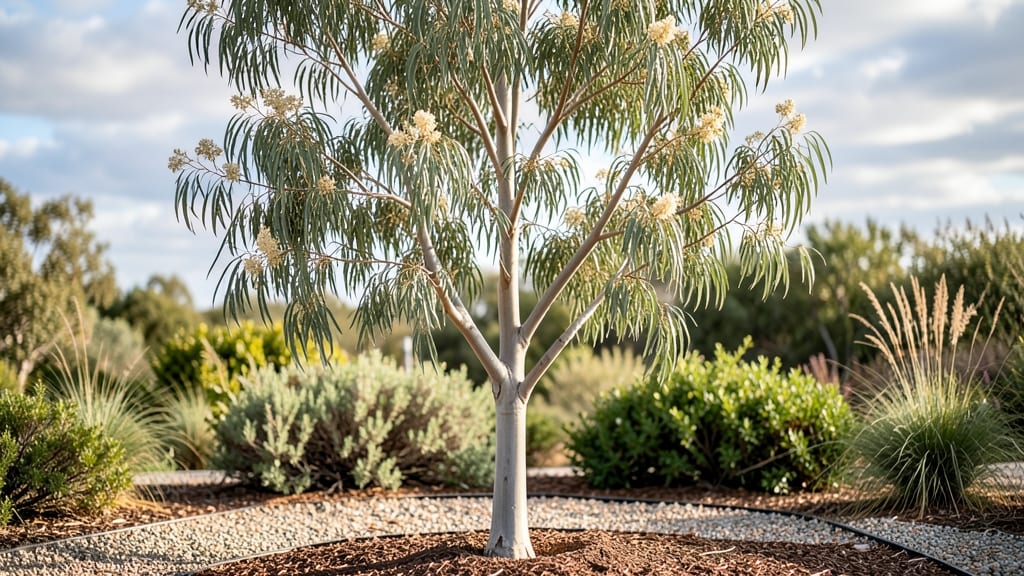
Growing a long leaf eucalyptus tree means fast privacy with striking silver-blue foliage that never fades. 🌿 I planted mine last spring, and within a year, it outpaced my neighbors' shrubs—no fuss, just steady growth that turns heads in any yard.
The key isn’t just speed, though; it’s how this tree thrives in tough conditions while looking effortlessly elegant year-round. This drought-loving tree demands little from you: full sun, well-draining soil, and occasional watering once established. Skip the mulch piles and fancy fertilizers—it grows best when left alone.
The real magic happens in its first two years, when it shoots up 6-12 feet annually, creating a lush, wind-resistant barrier that birds and butterflies adore. What you end up with is a textured, fragrant screen that stays green even in heatwaves.
The peeling bark adds winter interest, and the scent—like a eucalyptus steam room—lingers in the air on warm days. Just remember: this isn’t a tree for cold climates (it hates frost), but where it grows, it grows fast and fabulous.
For best results, plant in USDA zones 8-11 and give it space—these trees can reach 50 feet tall. Prune lightly to shape, but avoid heavy cuts that stress the tree. Here’s how to keep yours thriving without the guesswork.
📚 In This Guide
- What you need
- Instructions
- Tips and common mistakes
- Wrapping up and next steps
What you need
- ● Longleaf eucalyptus saplings: 1–3 trees (depending on desired privacy screen width)
- ● Healthy, 1–3 year-old nursery-grown plants (avoid wild-collected seedlings)
- ● Shovel or digging bar: For planting holes (12–18 inches deep)
- ● Garden gloves: To protect your hands from rough soil and roots
- ● Mulch (pine straw or wood chips): 2–3 inches to retain moisture and suppress weeds
- ○ Well-draining soil mix: Optional but helpful if your soil is clay-heavy (amend with compost or sand)
- ● Watering can or hose with a gentle spray nozzle: For post-planting hydration
- ● Tree stakes & ties: For young trees in windy areas (3–4 stakes per tree)
- ● Slow-release fertilizer (balanced 10-10-10): 1–2 lbs per tree to boost early growth
- ● Soil pH test kit: Ideal pH for eucalyptus is 6.0–7.0 (adjust with lime or sulfur if needed)
- ● Drip irrigation system: For consistent moisture in hot climates
- ● Pruning shears: For shaping as the tree matures (sterilize blades with rubbing alcohol)
Step-by-step guide to planting long leaf eucalyptus for a fast-growing privacy screen
Here's how to establish your eucalyptus screen with minimal wait time and maximum impact.
🌱 Step 1: Select and Prepare the Planting Site
Long leaf eucalyptus thrives in full sun with at least 6-8 hours of direct light daily. Choose a location with well-draining soil—these trees hate soggy roots. If your soil is heavy clay, amend with 3-4 inches of compost mixed into the top 12 inches of soil before planting.
Mark your planting spots 15-20 feet apart for a dense screen—closer spacing will create faster coverage but may require pruning later. Dig holes twice as wide and just as deep as the root ball. The reason for this wide base is to encourage root spread, which translates directly to faster growth and stability.
🪴 Step 2: Plant with Proper Spacing and Support
Gently remove the eucalyptus from its container and loosen any circling roots with your fingers. Place the tree in the hole so the top of the root ball sits 1 inch above ground level—this prevents water from pooling around the stem and causing rot. Backfill with native soil, tamping lightly every 2 inches to eliminate air pockets.
Create a 2-inch deep watering basin around the base and water deeply until moisture reaches 6-8 inches down. Mulch with 2-3 inches of organic mulch, keeping it 6 inches away from the trunk to prevent moisture buildup. The mulch conserves water and regulates soil temperature, which is especially important during the tree's first critical growth year.
☀️ Step 3: Establish Watering Routine for Fast Growth
Water newly planted eucalyptus 2-3 times per week for the first 6-8 weeks, providing 1-2 gallons per tree each time. After that, water deeply once weekly during dry spells—you'll know you're doing it right when water penetrates 12 inches into the soil. Reduce watering once you see new growth in spring, as established trees develop deep root systems.
Here's the thing—eucalyptus growth accelerates dramatically once roots establish. You'll notice 3-4 feet of vertical growth per year under ideal conditions. To maximize this, avoid overhead watering after the first month—direct water at the base to encourage deep root development rather than shallow surface roots.
✂️ Step 4: Prune for Structure and Density
Wait until spring to prune your eucalyptus, when new growth begins. Remove any dead, damaged, or crossing branches using clean, sharp pruners. Cut just above a leaf node or outward-facing bud to encourage healthy regrowth. The goal is to create an open center that allows light to penetrate, which stimulates bushier growth throughout the lower canopy.
For a denser screen, you can lightly shear the outer edges in late spring. I recommend using hedge shears for a clean, uniform look. Avoid heavy pruning—they respond poorly to aggressive cuts. Instead, focus on shaping and maintaining the natural form. You'll see the fastest growth when you prune immediately after a growth flush, typically in early summer.
🌿 Step 5: Maintain Year-Round for Continuous Privacy
Fertilize in early spring with a balanced 10-10-10 formula applied at half strength. Spread ½ pound around the drip line and water thoroughly. These trees are light feeders, so over-fertilizing leads to weak, leggy growth. Monitor for pests like psyllids or scale, which occasionally target eucalyptus—treat with horticultural oil if you spot infestations.
The beauty of long leaf eucalyptus is its year-round interest. The silvery-blue foliage provides instant visual privacy, while the vertical growth creates a natural windbreak. Within 3-5 years**, you'll have a full, lush screen that requires minimal maintenance. The key is consistency—stick to the watering schedule, avoid heavy pruning, and let the tree grow naturally for the fastest, most beautiful results.
Tips & tricks for perfect long leaf eucalyptus privacy screens
These pro tips will help you accelerate growth and avoid common pitfalls when planting your eucalyptus screen.
Soil Preparation Secret: For clay-heavy soils, mix in 3-4 inches of compost down to 12 inches deep before planting. This creates ideal drainage while adding essential nutrients. I've seen eucalyptus roots spread 30% faster in amended soil compared to unamended heavy clay. The wider planting holes (twice as wide as the root ball) create space for roots to expand laterally, which is crucial for stability and rapid vertical growth.
Watering Wisdom: Those first 6-8 weeks are critical—water 2-3 times weekly with 1-2 gallons per tree to ensure moisture reaches 12 inches deep. Use a soil probe to check moisture levels; if it comes out dry, water again immediately. After the initial period, shift to deep weekly watering during dry spells. This mimics natural rainfall patterns and prevents shallow root development, which can make trees more vulnerable to drought.
Pruning Technique: When pruning in spring, always cut just above a leaf node or outward-facing bud. This simple technique encourages healthier regrowth and denser foliage. For a denser screen, lightly shear outer edges in late spring using hedge shears—this stimulates bushier growth without stressing the tree. I've found that pruning immediately after a growth flush (typically early summer) yields the fastest recovery and most vigorous new growth.
Fertilization Strategy: Stick to the 10-10-10 formula at half strength in early spring, spreading ½ pound around the drip line. These trees are light feeders, so more fertilizer won't accelerate growth—it'll just create weak, leggy stems. The key is consistency: annual spring fertilization combined with proper watering creates the ideal conditions for that 3-4 feet of vertical growth per year you're aiming for.
Pro Tips for Long Leaf Eucalyptus Tree
- These pro tips will help you accelerate growth and avoid common pitfalls when planting your eucalyptus screen.
- Soil Preparation Secret: For clay-heavy soils, mix in 3-4 inches of compost down to 12 inches deep before planting.
- Watering Wisdom: Those first 6-8 weeks are critical—water 2-3 times weekly with 1-2 gallons per tree to ensure moisture reaches 12 inches deep.
Frequently asked questions
Got questions about the long leaf eucalyptus tree? You’re not alone!
Whether you’re curious about growth habits, care tips, or landscaping potential, we’ve got answers to help you make the most of this stunning, fast-growing privacy screen.
How fast does a long leaf eucalyptus tree grow?
A long leaf eucalyptus (Eucalyptus tereticornis) is a fast grower, typically adding 3 to 5 feet per year under ideal conditions. With proper care—full sun, well-draining soil, and regular watering—you can expect a 10-foot-tall tree in just 3-5 years, making it perfect for quick privacy screens.
Is a long leaf eucalyptus tree drought-tolerant?
Yes! Once established (after the first 1-2 years), this tree thrives in drought conditions thanks to its deep roots and silvery-blue foliage, which reduces water loss. However, young trees still need regular watering (about once a week) during their first growing season.
Can long leaf eucalyptus be grown in containers?
While possible, long leaf eucalyptus is not ideal for containers due to its size—it can reach 60-80 feet tall in the wild! If you’re set on potted growth, opt for a dwarf variety (like Eucalyptus cinerea) or prune aggressively. For best results, plant it in the ground with plenty of space (at least 20 feet from structures).
Are long leaf eucalyptus trees good for bees and pollinators?
These trees produce fragrant, nectar-rich flowers that attract bees, butterflies, and birds, especially in spring. Their scented blooms also make them a favorite for aromatherapy gardens. Just avoid planting near hives if you’re sensitive to strong fragrances.
How cold-hardy is the long leaf eucalyptus?
This tropical beauty struggles in freezing temps—it’s only hardy to USDA Zones 9-11. In colder climates, grow it in containers and move indoors during winter or plant near a sunny wall for extra protection. If you’re in Zone 8 or below, consider lemon-scented gum (Eucalyptus citriodora), a more cold-resistant alternative.
Pro Tip: Pruning for Shape
Use sterilized pruners to shape your tree in late winter or early spring before new growth starts. Focus on removing dead branches and thinning out crowded areas to encourage airflow and sunlight penetration. Avoid heavy pruning—these trees bounce back slowly!
Wrapping up and next steps
The long leaf eucalyptus tree is a stunning, low-maintenance choice for adding year-round beauty and privacy to your landscape. With its fast growth, striking foliage, and resilience, it’s perfect for homeowners who want a natural, evergreen solution that thrives with minimal effort.
Whether you’re planting one for shade, windbreaks, or simply as a focal point, this tree delivers both practicality and charm.
Ready to transform your outdoor space? Start by assessing your yard’s sunlight and soil conditions, then take the first step—order your saplings or seeds today and watch your privacy screen flourish! 🌿✨