
Leaf Blower
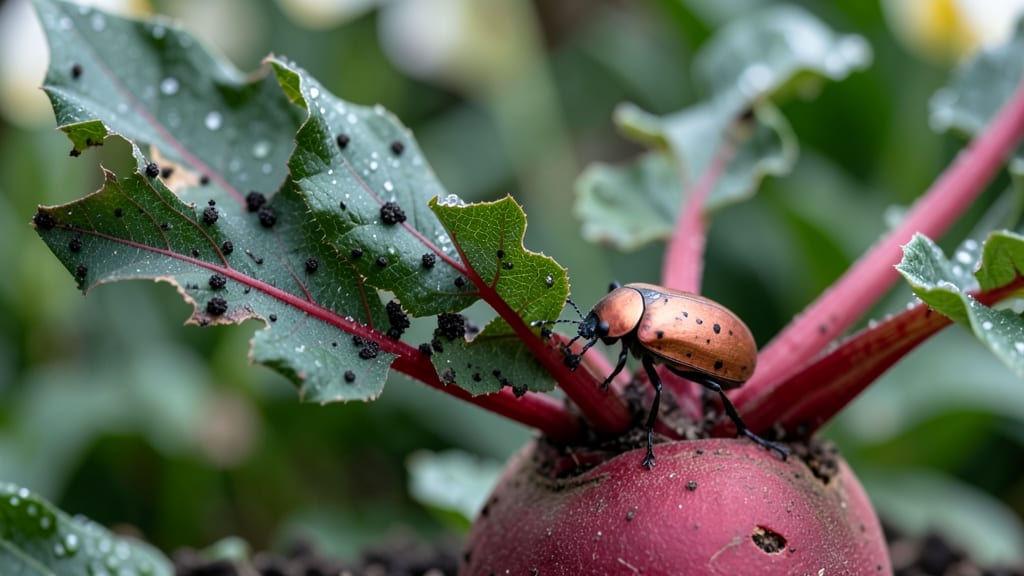
Your lilies' jagged edges and skeletonized leaves aren't just ugly—they're a lily leaf beetle invasion. 🌿 These bright red-and-black pests chew through foliage with shocking speed, leaving behind a trail of damage that can kill plants if ignored.
I've watched my own hybrid lilies go from lush to lifeless in just two weeks, and I'll show you how to stop it before it's too late.
The beetles start small but multiply fast—adults lay eggs in spring, and larvae hibernate in soil until next year. That's why you'll see fresh damage even after you think you've won the battle.
The key is acting fast: handpicking adults, using traps, and applying organic sprays before they reproduce. I've tried everything from soapy water to neem oil, and these methods actually work when used together.
By the time you finish this, you'll know exactly how to rescue your plants—whether it's pruning back damage, encouraging beneficial predators, or choosing beetle-resistant varieties for next season.
The results? Lilies that bounce back with full, healthy foliage and zero beetle activity by midsummer. No more sad, chewed-up blooms waiting to happen.
Even better, these solutions work for other vulnerable plants too—like fritillaries and daylilies. The secret is staying one step ahead of their life cycle. Let's get those lilies fighting back before the beetles strike again.
Root Causes Of Leaf Destruction
Lily leaf beetles (Lilioceris lilii) are invasive pests that turn your prized lilies into a skeletonized mess—but why do they target your plants so aggressively? The damage isn’t random; it’s the result of a perfect storm of biology, ecology, and human activity.
Understanding these root causes is the first step to stopping the devastation before it starts.
The lily leaf beetle isn’t originally from North America—it hails from Europe and Asia, where natural predators and seasonal extremes kept its populations in check.
When it arrived in the U.S. (likely via imported plants in the 1940s), it found a lush, predator-free buffet of true lilies (Lilium spp.), fritillaries, and other Liliaceae family plants.
Without the checks and balances of its native ecosystem, the beetles reproduced exponentially, turning local gardens into their personal dining halls.
💡 Key factor: No natural predators (like parasitic wasps or birds) exist in North America to curb their numbers. The beetles also have one generation per year, but their larvae are voracious—each can devour 30–40 leaves before pupating.
Lily leaf beetles are specialized feeders, meaning they’ve evolved to thrive on specific plants. True lilies (Lilium spp.) are their primary target, but they’ll also munch on:
- Fritillaries (Fritillaria spp.)
- Tulips (Tulipa spp.)
- Daylilies (Hemerocallis spp.) – though less preferred
- Asparagus (Asparagus officinalis)
🔥 Why now? Beetles emerge in late spring to early summer (May–June in most regions) when lilies are in their most nutritious, tender growth phase. Adults chew notches along leaf edges, while larvae skeletonize leaves from the underside, leaving a silvery, web-like mess.
Their feeding peaks when lilies are flowering—the plant’s high sugar content makes them irresistible.
Lily leaf beetles thrive in moderate to warm climates but can survive in cooler regions if they find sheltered spots. Here’s how climate plays a role:
| Factor | Impact on Beetles |
|---|---|
| 🌞 Sunlight | Adults prefer sunny, open areas where lilies grow. Shady spots slow their activity but don’t stop them. |
| 💧 Moisture | Larvae need high humidity to survive—dry conditions can kill them, but beetles will seek out irrigated or rainwater-fed plants. |
| 🌡️ Temperature | Eggs hatch at 50°F+, and adults become active at 60°F+. Freezes (below 20°F) can kill overwintering adults, but mulch or leaf litter insulates them. |
✨ Urban heat islands (cities with concrete and pavement) can create microclimates where beetles survive longer into fall, extending the damage season.
Unfortunately, human behavior has made this pest worse. Here’s how:
- 🛒 Unregulated plant trade: Infested lilies or fritillaries sold at nurseries spread beetles to new areas. Always inspect plants before purchasing.
- 🌍 Globalization & shipping: Beetles likely hitched rides on imported bulbs or potted plants from Europe.
- 🏡 Urban & suburban gardening: Dense plantings of lilies create monocultures, making it easier for beetles to find food and reproduce.
- 🚫 Lack of natural disturbances: In wild ecosystems, fires, floods, or grazing animals might disrupt beetle populations. Gardens lack these controls.
🎯 Pro tip: If you’ve noticed beetles in your area, report sightings to local agricultural extensions—they track infestations to prevent spread.
How to Fix Lily Beetle Havoc
Lily leaf beetles can turn your prized plants into a skeleton show in no time, but don’t panic—there are effective, practical ways to reclaim your garden. Below, we map the most common damage causes to step-by-step fixes, from quick fixes to long-term prevention.
Let’s get your lilies back to their glorious selves!
If you catch the beetles or damage early, you can minimize long-term harm.
**👨🍳 Action Steps: - Inspect daily (especially after rain or wind).
Look for: - Adult beetles (bright red with black spots, ~¼ inch long). - Larvae (black, slug-like, ~½ inch long). - Eggs (yellow-orange clusters under leaves). - Handpick adults** and drop them into soapy water (🔥 no mercy for these guys!). - Shake plants over a bucket of soapy water to dislodge larvae.
**💡 Pro Tip: Use a flashlight at dusk—beetles are most active then!
If you prefer chemical-free methods, these natural predators and barriers work wonders.
🌿 Best Organic Solutions:
| Method | How to Use | Effectiveness |
|---|---|---|
| Neem Oil Spray | Mix 1 tbsp neem oil + 1 tsp dish soap in 1 quart water. Spray all surfaces (top/bottom of leaves). Repeat every 5–7 days. | ⭐⭐⭐⭐ (slows egg-laying) |
| Kaolin Clay | Apply as a white barrier (like diatomaceous earth). Confuses beetles’ scent trails. | ⭐⭐⭐ (best for prevention) |
| Beneficial Nematodes | Water soil with Heterorhabditis bacteriophora (kills larvae underground). Best in early spring. | ⭐⭐⭐⭐ (targets larvae) |
| Row Covers | Use floating row fabric over lilies in spring/summer. Remove when blooming. | ⭐⭐⭐⭐⭐ (100% prevention) |
⏰ Timing Matters: Apply neem oil in evening to avoid harming bees.
If your lilies are severely infested, targeted pesticides can save them. But use cautiously!
💊 Recommended Products:
- Pyrethrin-based sprays (fast-acting, but reapply after rain).
- Imidacloprid (systemic) – Soak roots for long-term protection** (⚠️ avoid if bees visit).
- Spinosad (derived from soil bacteria, bee-friendly).
**🔥 Critical Safety Steps:
- Wear gloves/mask when applying.
- Avoid spraying when flowers are open (harms pollinators).
- Rotate chemicals to prevent resistance.
Even after treatment, your lilies may look ragged. Here’s how to revive and protect them.
🌿 Leaf & Plant Recovery:
- Prune heavily damaged leaves (use sterilized shears) to redirect energy to new growth.
- Fertilize with compost/balanced fertilizer (10-10-10) to boost recovery.
- Mulch heavily (3–4 inches) to smother larvae and retain moisture.
🛡️ Long-Term Prevention:
- Plant trap crops (like sunflowers or marigolds) to lure beetles away.
- Remove all lilies by fall (or dig up tubers and store indoors) to break the beetle life cycle.
- Encourage natural predators (birds, ladybugs, lacewings) with pollinator-friendly plants.
🎯 Golden Rule: Monitor year-round—beetles can overwinter in soil!
Final Thought: Lily leaf beetles are annoying but beatable with the right mix of early action, organic defenses, and smart prevention. Start today, and your lilies will thank you with bold, healthy blooms next season! 🌸
Frequently asked questions
What do lily leaf beetle eggs look like, and where should I check for them?
Lily leaf beetle eggs are tiny (1/16 inch) and clustered in groups of 10-30 under leaves, especially on the undersides of younger foliage. Look for bright yellow-orange oval shapes that stick together like a tiny bead cluster. Check leaf axils and stems too—these are their favorite hiding spots before hatching in 7-10 days.
Can I use dish soap alone to kill lily leaf beetles?
Yes, but with a twist! Mix 1 tablespoon of liquid dish soap with 1 quart of water and spray directly on beetles or larvae. The soap breaks down their protective outer layer, causing dehydration. For best results, apply in the early morning when beetles are sluggish, and reapply after rain. Avoid spraying flowers to protect pollinators.
How long does it take for neem oil to work on lily leaf beetles?
Neem oil starts working within 24-48 hours but requires consistent application every 5-7 days to be fully effective. It disrupts the beetles' feeding and reproduction cycles, but won't kill them instantly. For faster results, combine it with handpicking adults. Apply in the evening to avoid harming bees.
Will removing all lilies from my garden stop the beetles permanently?
No, but it can dramatically reduce their numbers. Lily leaf beetles can survive for up to 2 years in soil or leaf litter, so you'll need to remove all plant debris and monitor for 1-2 seasons. For long-term control, combine removal with beneficial nematodes (applied to soil in spring) and trap crops like sunflowers to lure remaining beetles away.