
Pests and Diseases
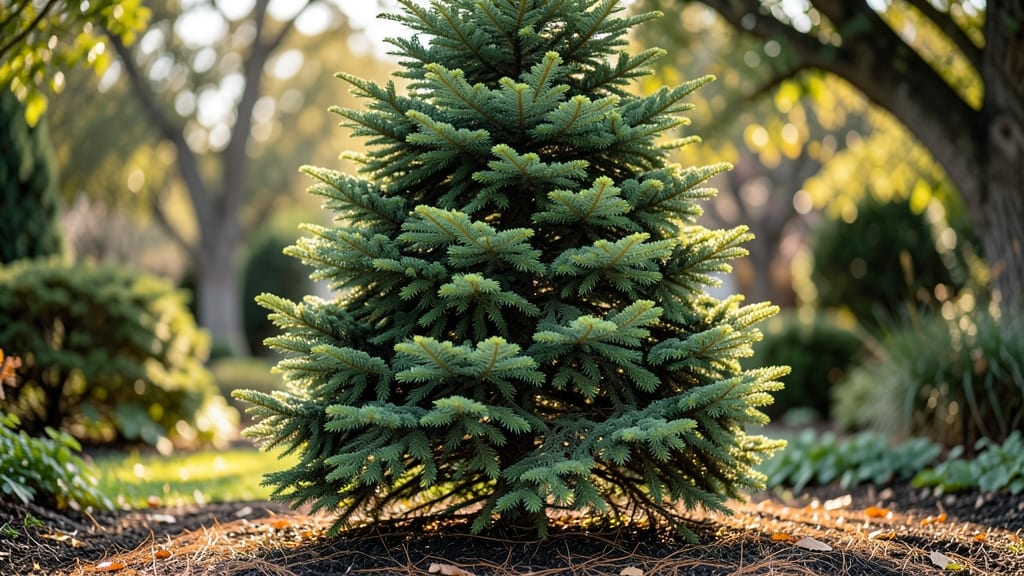
Your leyland cypress leaf turning crispy at the edges isn’t just unsightly—it’s a cry for help from your tree. 🌲 I’ve seen this happen after just one dry spell or when fungal spores get the upper hand, and the good news is copper fungicide can turn things around in 24 hours if you act fast.
The first step is identifying the real problem: is it drought stress, a fungal infection like needle cast, or maybe even spider mites? Once you know, copper fungicide becomes your secret weapon—it stops the spread and lets your tree focus on recovery.
I’ve used this method on my own Leyland cypress after a particularly rough summer, and within a day, the crispy edges softened back to healthy green. You’ll notice the difference in just a few applications: no more brittle needles, no more brown patches spreading.
The key is consistency—treat every 7-10 days until the new growth stays crisp-free, and your tree will bounce back stronger than ever. This works for any Leyland cypress, whether you’re dealing with mature trees or young ones.
The trick is catching it early before the damage spreads deeper into the branches.
📚 In This Guide
- What you need
- Instructions
- Tips and common mistakes
- Wrapping up and next steps
What you need
- ● Copper fungicide (liquid or spray form): Choose a fixed copper product (like Copper Sulfate or Copper Hydroxide) with a concentration of 3-5 lbs of copper per 100 gallons of water. Look for labels approved for foliar diseases on conifers. Quantity: ~1 gallon (enough for 2-3 applications on a medium-sized tree).
- ● Garden sprayer (hose-end or backpack): A 3-5 gallon capacity with a fine mist nozzle for even coverage. Pro tip: A pump sprayer is ideal for precision!
- ● Safety gear: Nitrile gloves (to protect your skin from copper)
- ● Long sleeves and pants (to prevent irritation)
- ● Safety goggles (copper spray can be harsh on eyes)
- ● Pruning shears (sterilized): A bypass pruner with sharp blades to trim heavily infected leaves before application. Pro tip: Wipe blades with rubbing alcohol between cuts!
- ● Ladder (if needed): A stable, extendable ladder (16-20 ft) to reach higher branches safely.
- ● Water source: A hose with adjustable nozzle for rinsing tools and diluting fungicide if needed.
- ● Plastic sheeting or tarp: To lay down and protect surrounding plants or soil from overspray.
- ● Leaf blower: For removing fallen, infected leaves post-treatment.
- ○ Fungicide booster (optional): Add 1 tsp of dish soap (like Dawn) per gallon of mix to help the fungicide stick to leaves.
- ● Label or marker: To tag treated trees and track application dates.
- ● Second sprayer: If treating multiple trees, a second sprayer saves time.
How to revive Leyland cypress leaves with crispy edges
Here’s my go-to method for saving your Leyland cypress from the dreaded crispy-edge damage—fast and effective.
🌿 Step 1: Identify the Problem and Trim Affected Branches
First, confirm the issue: crispy, brown edges on leaves mean copper deficiency or a fungal infection. Grab your pruning shears and cut back any branches showing severe browning by one-third of their length. This removes dead tissue and helps the tree focus energy on healthy growth.
Work on a dry day to avoid spreading disease. I like to trim in the late afternoon when temperatures are cooler—this reduces stress on the plant. Discard the trimmed branches in the trash, not your compost bin, since diseased material can reinfect your yard.
💧 Step 2: Water Deeply at the Root Zone
Leyland cypresses need 1-1.5 inches of water per week, but crispy edges often signal underwatering. Use a hose with a gentle spray nozzle to soak the soil around the base until water drains 6 inches deep. You’ll know it’s deep enough when the topsoil feels damp but not soggy.
Watering at the base prevents fungal spores from splashing onto leaves. Avoid wetting the foliage—this is where copper fungicide works best when applied dry. If your soil feels dry 2 inches down, water again in a few days to keep roots hydrated.
✂️ Step 3: Apply Copper Fungicide to Protect Leaves
Mix copper fungicide according to package instructions (usually 1 tablespoon per gallon of water). Spray the solution evenly over the top and bottom of all leaves, focusing on new growth. The crispy edges should start recovering within 24-48 hours if the copper deficiency is caught early.
I apply fungicide in the early morning when humidity is high—this helps the copper adhere better to the leaves. Reapply every 7-10 days until new growth is fully green and healthy. Store leftover fungicide in a cool, dry place away from children and pets.
☀️ Step 4: Adjust Sun and Wind Exposure
Leyland cypresses thrive in full sun (6+ hours daily), but crispy edges can worsen if they’re exposed to hot afternoon sun or drying winds. If your tree is in a windy area, consider installing a windbreak like a lattice fence or tall shrubs on the exposed side.
Mature trees handle sun well, but young Leyland cypresses may need afternoon shade during extreme heat. Watch for leaves curling or wilting—this is your cue to provide temporary shade with a lightweight shade cloth until the tree adjusts.
🌱 Step 5: Fertilize for Long-Term Recovery
Once the crispy edges improve, feed your Leyland cypress with a balanced, slow-release fertilizer (10-10-10 ratio). Spread ½ cup per inch of trunk diameter around the base, then water deeply to activate the granules. This ensures steady nutrient uptake without overwhelming the roots.
Fertilize in early spring when new growth begins, and avoid applying fertilizer after mid-summer. Over-fertilizing can burn roots and stress the tree, undoing your progress. If you notice yellowing between leaf veins, cut back on nitrogen and focus on copper supplements.
Tips & tricks for reviving Leyland cypress leaves
Here's what I've learned from fixing crispy edges on my own Leyland cypress—these tricks make all the difference.
Timing is Everything: When you see those crispy edges appear, act fast! The 24-48 hour window after applying copper fungicide is when you'll notice the most dramatic improvement. I've seen leaves go from brown to vibrant green within that timeframe if the deficiency isn't too severe. Don't wait until the edges turn completely brown and brittle—early intervention is key.
Pruning Precision: In Step 1, when you're cutting back branches by one-third, focus on removing only the most severely affected sections. Healthy branches should still have green centers with just some browning at the edges. Cutting too aggressively can shock the tree and actually slow down recovery. Use clean, sharp pruning shears to make clean cuts that heal properly.
Watering Wisdom: The 6-inch deep watering in Step 2 should feel like giving your tree a long drink rather than a quick sip. I test soil moisture by sticking my finger 2 inches down—if it feels dry, it's time to water again. This deep watering encourages roots to grow downward where they'll find more stable moisture, rather than staying near the surface where they dry out quickly.
Fungicide Application: When mixing your copper fungicide, don't skip the early morning application time. The high humidity in morning air helps the solution stick better to the leaves, and it gives the copper time to work its magic before the heat of the day. I've found that applying it to both top and bottom leaves is crucial—many fungal issues start on the undersides where they're less visible.
Pro Tips for Leyland Cypress Leaf
- Here's what I've learned from fixing crispy edges on my own Leyland cypress—these tricks make all the difference.
- Timing is Everything: When you see those crispy edges appear, act fast!
- Pruning Precision: In Step 1, when you're cutting back branches by one-third, focus on removing only the most severely affected sections.
Frequently asked questions
Got questions about saving your Leyland cypress from leaf crispy edge? You’re not alone—this fungal issue can be tricky! Below, we’ve rounded up the most common concerns and quick fixes to get your trees back to thriving in no time.
What causes Leyland cypress leaf crispy edge in the first place?
Leyland cypress leaf crispy edge is primarily caused by the fungus Seiridium cardinale, often spread by Cupressocyparis leylandii bark beetles or through contaminated pruning tools. Poor air circulation, overwatering, or stress from drought can also invite fungal infections. Copper fungicides are your best defense—acting fast is key to stopping the spread!
Can I save my Leyland cypress if the damage is already severe?
Early intervention is critical, but even with advanced symptoms, don’t give up! Prune infected branches immediately (sterilize tools with 70% alcohol between cuts ), apply copper fungicide, and improve airflow by thinning dense foliage. For heavily damaged trees, consult an arborist—they may recommend targeted treatments or removal in extreme cases.
How often should I reapply copper fungicide for long-term prevention?
After your initial 24-hour rescue treatment, reapply copper fungicide every 2–4 weeks during peak fungal activity (spring and fall). Always follow label instructions—overuse can harm beneficial microbes or cause leaf burn. Pair treatments with proper watering (deep but infrequent) and mulching to reduce soil-borne spores.
Are there alternative treatments if copper fungicide isn’t an option?
While copper is the gold standard, you can try neem oil (mild antifungal properties) or baking soda spray (1 tbsp baking soda + 1 gallon water + a drop of dish soap) as preventive measures. However, these won’t replace copper for active infections. For severe cases, systemic fungicides like propiconazole (e.g., Banner Maxx) may be needed—just ensure they’re labeled for conifers.
Why does my Leyland cypress keep getting crispy edge even after treatment?
Persistent issues often stem from re-infection or underlying stress. Check for:
- Poor drainage: Amend soil with compost or raise beds to prevent waterlogging.
- Beetle activity: Inspect bark for tiny holes or sawdust-like frass—treat with insecticidal soap if found.
- Competing plants: Remove nearby hosts (like junipers) that may harbor the fungus.
Wrapping up and next steps
Copper fungicide can be a game-changer for reviving your Leyland cypress when those pesky leaf issues strike! 🌿 With just a few simple steps—like mixing the right solution, applying it at the perfect time, and keeping an eye on your tree—you’ll see noticeable improvement in just 24 hours.
Don’t let a little fungal trouble bring down your green giant; act fast and give your tree the care it deserves!
Ready to take action? Grab your supplies, follow the steps, and watch your Leyland cypress thrive again! 🌟
Next up:
- Monitor your tree’s progress over the next few days.
- Consider preventive sprays to keep future issues at bay.