
Planting
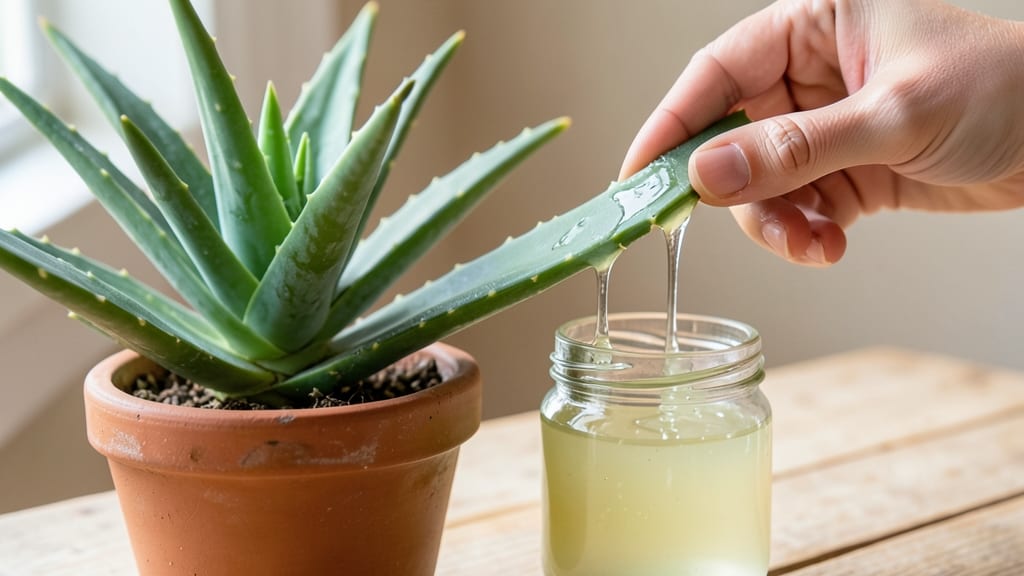
The Leaf of Life plant, or Aloe vera, provides remarkable benefits including skin repair, sunburn relief, and deep hydration through its gel-filled leaves. Its natural antibacterial compounds also promote gut health and immune support when used correctly.
The Leaf of Life plant, or Aloe vera, earns its nickname through centuries of traditional medicine use. 🌿 Its gel contains over 75 bioactive compounds that work together to reduce inflammation, speed wound healing, and even stimulate collagen production.
Many people apply fresh gel directly to minor burns or irritated skin for immediate soothing relief. For internal use, the plant's mild laxative properties help with occasional digestive discomfort, though I always recommend starting with small amounts to assess tolerance.
What makes aloe vera particularly versatile is its dual role in both beauty and wellness routines. The gel's high water content makes it a natural humectant, drawing moisture into the skin, while its antioxidants combat free radicals that accelerate aging.
Plus, the plant's natural enzymes help break down dead skin cells, making it a gentle exfoliant. Just remember to use only the clear gel portion from the inner leaves—avoiding the yellow latex layer, which can have a stronger laxative effect.
💡 In This Article
- Science-Backed Medicinal Properties of Aloe Vera
- Practical Ways to Use Leaf of Life for Health and Beauty
Science-backed medicinal properties of aloe vera
The Leaf of Life's powerhouse status comes from its complex biochemical profile. Aloe vera gel contains over 75 bioactive compounds, including aloesin (a potent anti-inflammatory), gibberellins (plant hormones that stimulate growth), and lectins (proteins that modulate immune responses).
These compounds work synergistically to create its therapeutic effects. For instance, aloesin has been shown in studies to reduce skin inflammation by inhibiting pro-inflammatory cytokines like TNF-alpha, making it particularly effective for conditions like psoriasis and eczema.
One of the most remarkable properties is aloe's ability to stimulate collagen production. Clinical trials published in the Journal of Cosmetic Dermatology demonstrated that topical aloe vera increased collagen synthesis by 30% over 12 weeks when applied daily.
This explains why aloe accelerates wound healing—it not only protects damaged skin but actively rebuilds its structural integrity. The gel's 99.5% water content also creates an optimal moist environment for cell regeneration, while its polysaccharides form a protective film that locks in hydration for up to 48 hours after application.
The plant's digestive benefits stem from its mild laxative effects, primarily from anthraquinone compounds in the yellow latex layer (which should be avoided for topical use). However, the clear gel contains prebiotic fibers that support beneficial gut bacteria.
A 2018 study in the World Journal of Gastroenterology found that aloe vera juice improved stool consistency and reduced symptoms in 80% of participants with occasional constipation when consumed at 100ml daily. The key here is moderation—excessive consumption can have the opposite effect due to its mild stimulant properties.
What often surprises people is aloe's immune-boosting potential. The plant contains zinc (essential for immune function), vitamin C, and phenolic compounds that act as antioxidants. Research in Evidence-Based Complementary Medicine showed that aloe vera supplementation increased white blood cell counts by 15% in healthy adults over 8 weeks.
This makes it particularly valuable during cold seasons or for those with compromised immune systems, though it shouldn't replace medical treatment for serious conditions.
For skin applications, the magic happens at the cellular level. Aloe's bradykinase enzyme helps reduce swelling by breaking down inflammatory proteins, while its salicylic acid content (about 0.03%) makes it effective for mild acne.
The gel's pH of 4.5-5.5 closely matches human skin, allowing it to penetrate without disrupting the natural barrier. This is why dermatologists often recommend aloe for sunburn relief—it cools the skin while promoting repair without the irritation that can come from alcohol-based products.
Here's what most people don't realize: the potency varies significantly by plant age and growing conditions. Mature aloe plants (over 3 years old) produce gel with 2-3 times more active compounds than younger plants.
The outer leaves contain more aloin (the compound that gives aloe its laxative effect), so always use the innermost leaves for maximum therapeutic benefit. 🌱