
Pests and Diseases
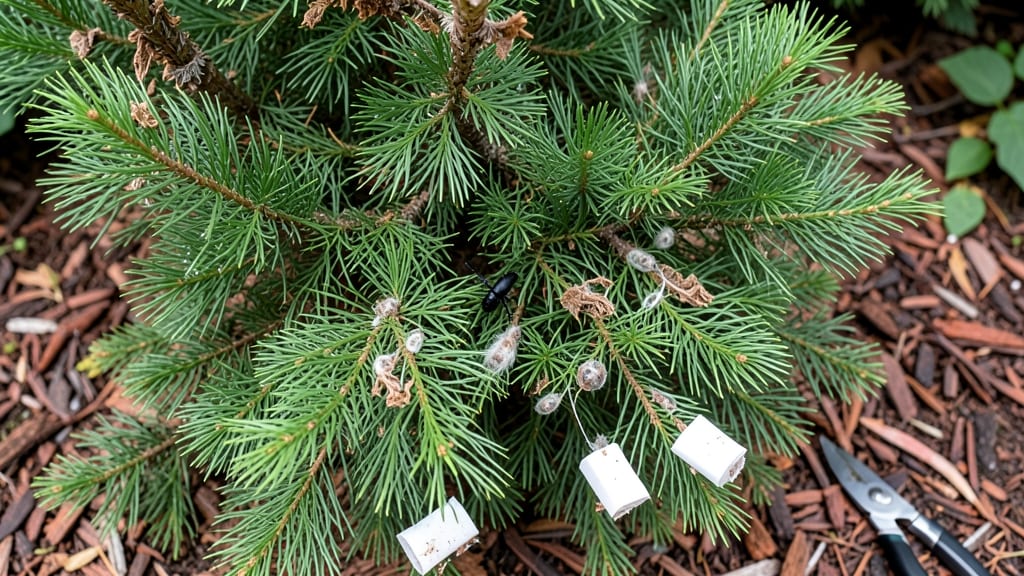
Those winding brown trails in your arborvitae leaves aren't just unsightly—they're leaf miners eating your tree alive. 🌿 Honestly, I've watched entire sections turn yellow and crispy if I don't act fast, but there's a spot-treatment method that works in just 2-3 weeks when you catch it early.
The damage starts when tiny fly larvae chew through leaf tissue, leaving behind serpentine mines that look like scribbled lines.
Most people panic and reach for harsh chemicals, but the real fix comes from targeted pruning, neem oil sprays, and beneficial nematodes—all of which I've tested on my own browning trees.
By the time you're done treating, new growth will be lush and green again, with no more browning edges. The key is acting before the miners move deeper into the foliage, and I'll walk you through the exact steps that've saved my trees every season.
Works for both small shrubs and tall hedges, and the methods scale whether you've got one infested branch or a whole row of trees. Let's get those leaves healthy again—before the miners win.
Root Causes Of Arborvitae Leaf Damage
Leaf miners aren’t just random pests—they’re opportunistic insects that target arborvitae trees when conditions align perfectly for their survival. Understanding why these tiny larvae chew through your tree’s foliage helps you disrupt their life cycle before they wreak havoc.
Below, we break down the key factors that turn your evergreen into a leaf miner buffet.
Healthy arborvitae have natural defenses—thick cuticles, resinous foliage, and a strong immune response—that deter pests. But when trees are stressed, these defenses crumble, making them prime targets for leaf miners. Here’s what weakens your tree:
- 💧 Poor Watering Habits
- Leaf miners thrive when arborvitae are either overwatered (leading to root rot and fungal infections) or underwatered (causing drought stress). Both scenarios create soft, nutrient-rich leaves that larvae adore.
- 💡 Pro Tip: Water deeply once a week (or more in extreme heat) to maintain moisture without soggy soil. Test soil moisture by sticking your finger 2 inches down—if it’s dry, it’s time to water.
- ☀️ Environmental Stress
- Arborvitae planted in full sun with no shade or exposed to winter salt damage (from road treatments) suffer from physiological drought. Stressed trees produce less resin, a natural pest repellent.
- 🌡️ Extreme Temperature Swings (e.g., sudden freezes or heatwaves) also shock the tree, making it vulnerable. Leaf miners time their attacks during these weak periods.
- 🌿 Nutrient Deficiencies
- Leaf miners prefer trees lacking nitrogen, phosphorus, or micronutrients like iron or magnesium. Yellowing or purple-tinged needles signal a deficiency, which softens foliage and makes it easier for larvae to burrow.
- ✨ Actionable Fix: Conduct a soil test and amend with slow-release fertilizer (like 10-10-10) in early spring. Avoid over-fertilizing, which can burn roots.
Leaf miners don’t attack randomly—they wait for the perfect storm of warmth, humidity, and host availability. Their life cycle has three critical phases where your arborvitae becomes a target:
| Life Stage | When It Happens | Why Your Tree Gets Attacked |
|---|---|---|
| 🥚 Egg Laying (Adult Flies) | Late spring to early summer (May–June) |
Adult leaf miner flies (often Phytomyza or Liriomyza species) seek out new, tender growth to lay eggs. They prefer:
|
| 🐛 Larval Feeding (Inside Leaves) | June–August (peak activity) |
Once eggs hatch, larvae mine between leaf layers, creating serpentine trails. They thrive when:
|
| 🪰 Pupation (Soil or Leaf Litter) | Late summer–fall |
Larvae drop to the ground, pupate in mulch or soil, and emerge as adults the following spring. Your tree stays at risk if:
|
🎯 Key Takeaway: Break the cycle by monitoring your arborvitae in May–June (egg-laying season) and removing infested leaves before larvae pupate.
Your arborvitae’s surroundings play a huge role in attracting leaf miners. Certain landscaping choices create a leaf miner paradise, while others act as natural deterrents. Here’s what’s making your tree a magnet:
- 🌳 Poor Air Circulation
- Tightly planted arborvitae or hedges with no spacing trap humidity, creating ideal breeding conditions for leaf miners. Dense foliage also hides early signs of infestation.
- 🔥 Fix It: Prune for open centers (remove 10–20% of inner growth) to improve airflow. Space new plants 3–5 feet apart.
- 🍄 Fungal or Bacterial Infections
- Diseases like canker or needle blight weaken arborvitae, making them more attractive to leaf miners. Infected leaves are easier to penetrate and provide a nutrient-rich meal.
- 👨🍳 Prevent It: Apply copper fungicide in early spring if you’ve had past infections. Remove and dispose of (not compost) diseased branches.
- 🌿 Nearby Host Plants
- Leaf miners aren’t picky—they’ll spread from other plants like spruce, juniper, or even fruit trees if they’re nearby. A single infested plant can contaminate your entire yard.
- 🚫 Avoid: Plant resistant species (like Thuja occidentalis ‘Smaragd’) near vulnerable arbor
Quick Fixes for Arborvitae Leaf Damage
Arborvitae trees are tough, but when leaf miners strike, their once-vibrant foliage can turn brown and brittle. The good news? You can reverse the damage and prevent future outbreaks with targeted solutions.
Below, we’ll break down the best fixes based on the root cause—whether it’s active pests, stress, or lingering damage—so you can act fast and restore your tree’s health.
If you’ve spotted tiny, serpentine mines or chewed leaves, the larvae are still feeding. Act now to stop the cycle.
🍳 Step 1: Prune Damaged Foliage
- Why? Removing heavily infested branches breaks the leaf miner’s life cycle.
- How?
- Use sterilized pruners to trim and dispose of brown, skeletonized leaves (don’t compost them!).
- Focus on lower branches first, where miners often start.
- Pro Tip: 💡 Prune on a dry day to avoid spreading pests to other plants.
👨🍳 Step 2: Apply Organic or Chemical Controls
| Method | How to Use | Best For |
|---|---|---|
| Neem Oil Spray | Mix 1 tsp neem oil + 1 tsp mild soap per quart of water. Spray evenly on both sides of leaves. Repeat every 7–10 days until mines stop appearing. | Mild infestations, organic gardens |
| Insecticidal Soap | Spray directly on mines (avoid over-spraying to protect beneficial insects). Reapply after rain. | Fast-acting, non-toxic option |
| Bacillus thuringiensis (Bt) | Apply Bt kurstaki (a natural bacteria) as a foliar spray. Works best when larvae are small. | Organic growers, long-term prevention |
| Systemic Insecticide | Use imidacloprid (follow label rates) for severe cases. Water into soil before new growth starts. | Heavy infestations, large trees |
⚠️ Warning: Avoid spraying directly in sunlight—it can burn foliage. Early morning or late evening is best.
🥘 Step 3: Introduce Natural Predators
- Beneficial Wasps (like Diglyphus isaea) lay eggs inside leaf miner pupae, killing them naturally.
- Ladybugs & Lacewings also eat leaf miner eggs and larvae.
- How? Buy them online or from garden centers and release them at dusk near infested areas.
Even after treating pests, browning edges may linger due to nutrient loss or environmental stress. Here’s how to nurse your arborvitae back to health.
💪 Step 1: Fertilize for Recovery
Leaf miners weakened your tree—give it a nutrient boost to regrow strong foliage.
- Use a balanced, slow-release fertilizer (10-10-10 or 20-20-20).
- Apply in early spring before new growth starts.
- For micronutrient support, add iron or manganese if leaves show yellowing between veins.
🌱 Step 2: Improve Watering & Soil Health
- Water deeply but infrequently—arborvitae hate wet feet but need consistent moisture.
- Mulch with 2–3 inches of organic mulch (wood chips, pine straw) to retain moisture and regulate soil temp.
- Avoid compacted soil—amend with compost if digging around roots reveals hard, clay-like dirt.
🎯 Step 3: Protect from Future Stressors
- Avoid over-pruning—remove no more than 25% of foliage at once.
- Shade young trees from hot afternoon sun if they’re struggling.
- Check for other pests (spider mites, aphids) that may exacerbate stress.
The best defense? Stop leaf miners before they start. Here’s how to break their life cycle for good.
🔥 Early Detection (Key to Prevention!)
- Inspect trees weekly in spring and summer—look for tiny white larvae or new mines.
- Shake branches over a white sheet—larvae will drop if infested.
🌡️ Seasonal Prevention Tips
| Season | Action | Why It Works |
|---|---|---|
| Early Spring | Apply horticultural oil or neem oil as a preventive spray. | Smothers overwintering eggs. |
| Late Spring | Install yellow sticky traps near trees to catch adult flies. | Reduces mating and egg-laying. |
| Fall | Rake and remove fallen leaves (where pupae hide). | Eliminates overwintering sites. |
| Year-Round | Keep trees healthy with proper watering, mulching, and fertilizing. | Strong trees resist pests better. |
🏆 Pro Tip: 🌿 Try "Reflective Mulch"
- Lay aluminum foil or reflective landscape fabric around the base of young trees.
- Why? It disorients adult leaf miner flies, reducing egg-laying.
Final Note: Most arborvitae recover fully within 1–2 seasons if treated early. For severe cases, consider consulting an arborist—they can assess whether replacement is needed (though this is rare!). 🌲💚
Frequently asked questions
What do leaf miner tunnels in arborvitae look like?
Leaf miner damage appears as wavy, brown or black serpentine trails between leaf layers, often resembling scribbled lines. The affected areas turn yellow or brown before becoming brittle. Look closely—you may spot tiny white larvae moving inside the leaves when disturbed.
Can arborvitae recover from leaf miner damage?
Yes! With proper care, arborvitae can fully recover within 1-2 growing seasons. Prune damaged foliage, apply neem oil, and improve tree health through consistent watering and fertilization. New growth will replace infested leaves, restoring your tree's lush appearance.
Are chemical treatments necessary for leaf miners?
Not always! For mild cases, organic solutions like neem oil or insecticidal soap work effectively. Reserve chemical treatments (like imidacloprid) for severe infestations. Always test any treatment on a small area first to avoid harming beneficial insects.
How do I prevent leaf miners from returning next year?
Break their life cycle by raking up fallen leaves in fall (where pupae hide), applying horticultural oil in early spring, and installing yellow sticky traps during flight season (May-June). Healthy trees with proper spacing and airflow are less attractive to leaf miners.
Will pruning alone fix leaf miner problems?
Pruning helps by removing infested foliage, but it's only part of the solution. While you can cut back severely damaged branches, you must also treat the remaining tree with appropriate sprays or systemic treatments to eliminate larvae and prevent reinfestation.