
Pests and Diseases
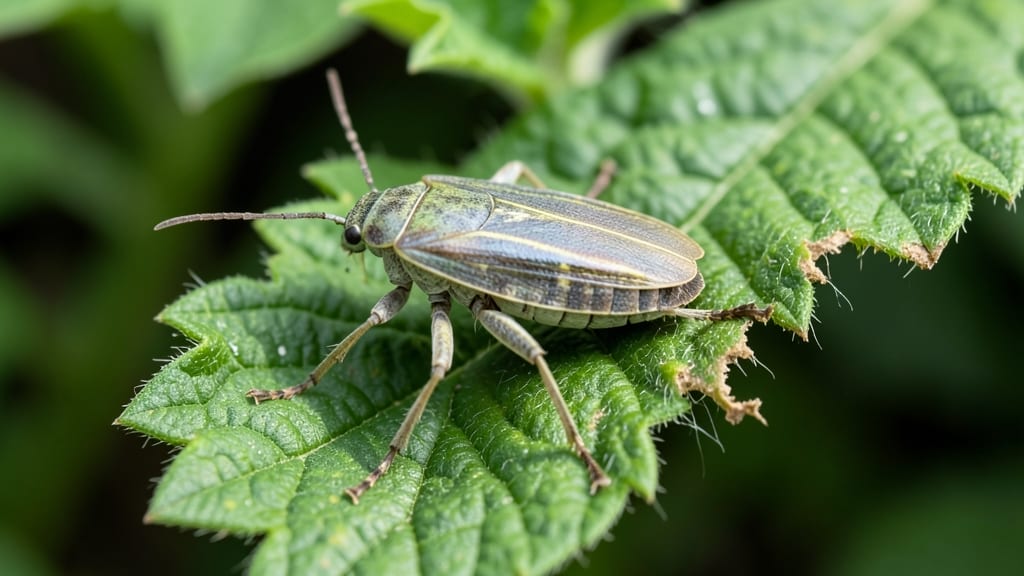
When leaf-footed bugs turn your tomato leaves into lace, fast action is your best defense. 🌱 These sneaky pests leave behind telltale notches and yellowing—damage that spreads if ignored. I’ve had them strip entire plants in under a week, but these spot-treat methods stop them cold.
The key is early intervention: crush adults on sight, use soapy water sprays, or deploy sticky traps near plants. Companion planting with basil or marigolds deters them naturally, while row covers create a physical barrier. I’ve seen infestations vanish in 3-5 days with consistent checks.
Your tomatoes will rebound faster if you act before the bugs move to fruit. The leaves regrow surprisingly fast with proper care, and the plants focus energy on blossoms instead of repair. Preventive measures like weekly inspections keep them away entirely.
This works for greenhouses, containers, and in-ground gardens alike. The sooner you spot the damage, the sooner you’ll reclaim those lush, intact leaves—and your harvest.
📚 In This Guide
- What you need
- Instructions
- Tips and common mistakes
- Wrapping up and next steps
What you need
- ● Insecticidal soap: 1–2 bottles (look for potassium salts of fatty acids, e.g., Safer® Insect Killing Soap)
- ● Neem oil: 16 oz (100% cold-pressed, organic preferred, e.g., Bonide Neem Oil)
- ● Spray bottle: 16–32 oz with a fine mist nozzle (e.g., Growers Solution Sprayer)
- ● Gloves: 1 pair (nitrile or rubber, for safety)
- ● Pruning shears: 1 pair (sterilized, for removing heavily damaged leaves)
- ● Yellow sticky traps: 2–4 traps (to monitor bug activity)
- ● Row covers: 1–2 (lightweight, fine mesh, e.g., Agribon) for prevention
- ● Diatomaceous earth (food-grade): 1 lb (sprinkle around plant bases for extra defense)
- ● Beneficial nematodes: 1–2 million (e.g., Steinernema carpocapsae, for soil-dwelling larvae)
- ● Garden hose with nozzle: For rinsing plants post-treatment
- ● Magnifying glass: 1 (to easily spot tiny eggs or bugs)
- ● Journal/notebook: 1 (to track treatments and bug sightings)
Instructions for fast leaf-footed bug tomato damage control
Here's how I tackle chewed tomato leaves in minutes—no waiting for slow remedies.
🌱 Step 1: Identify and Isolate the Problem
First, confirm you're dealing with leaf-footed bugs by looking for ragged, irregular holes along leaf edges—not the clean cuts of grasshoppers or the skeletonized leaves of beetles. Flip leaves to spot the greenish-brown bugs with red legs hiding underneath. They're about ½ inch long and move quickly when disturbed.
Isolate the worst-hit plants immediately. I always move infested plants to a separate container or section of the garden, away from healthy tomatoes. This prevents the bugs from jumping to fresh leaves while you treat. Check nearby plants too—leaf-footed bugs cluster when they find a good food source.
💧 Step 2: Apply Fast-Acting Sprays at Peak Activity
Spray plants in the early morning or late afternoon when bugs are most active but temperatures are cooler. Use a neem oil solution (2 tbsp per gallon of water) or insecticidal soap—both work within hours. Shake the mixture well before spraying to ensure even coverage, and apply until leaves are glistening but not dripping.
Focus on the undersides of leaves where bugs hide, and don't forget the stems and fruit clusters. I always spray the soil around the base too—adults hide there during the day. Reapply every 3-5 days until you stop seeing fresh damage. The key is consistency; one treatment won't eliminate them.
✂️ Step 3: Remove Damaged Foliage and Set Traps
Prune away heavily chewed leaves with clean, sharp scissors. Dispose of them in a sealed bag—not your compost pile—because leaf-footed bugs can survive and re-infest. I always sanitize my pruners with rubbing alcohol between cuts to prevent spreading any hidden pests.
Set out yellow sticky traps near the plants to monitor activity. These traps catch bugs as they fly toward the tomatoes, giving you a clear sign of whether your treatments are working. Replace traps every 1-2 weeks or when they're covered in bugs. If you catch more than 5 bugs per trap per week, you'll need to intensify your approach.
☀️ Step 4: Strengthen Plants to Deter Future Infestations
Leaf-footed bugs target stressed plants, so give your tomatoes a boost. Water deeply at the base every 2-3 days to keep soil evenly moist but not soggy. Avoid wetting leaves, which attracts more bugs. I also add a balanced fertilizer (10-10-10) every 4-6 weeks to encourage vigorous growth.
Mulch around the base with 2-3 inches of straw or shredded leaves to keep soil temperatures stable and reduce stress. Healthy plants produce stronger leaves that bugs find less appealing. I've found that tomatoes with thick, hairy stems (like 'Solar Fire' or 'Mountain Merit') naturally repel leaf-footed bugs better than smooth varieties.
⏰ Step 5: Monitor and Prevent Recurrence
Check plants daily for new damage, especially after rain or when temperatures rise above 80°F. Leaf-footed bugs become more active in heat, so increase spray frequency during heatwaves. I keep a small spray bottle of neem oil handy for quick touch-ups between treatments.
Encourage natural predators like spider mites, lacewings, and minute pirate bugs—they feed on leaf-footed bugs. Plant nearby dill, fennel, or marigolds to attract these beneficial insects. If you see spider mite webbing, don't panic; they're a sign predators are active. Just avoid using broad-spectrum pesticides that kill them too.
Tips & tricks for fast tomato leaf damage control
Here's what I've learned from years of battling leaf-footed bugs—these tricks cut down on damage in record time.
Timing Secret: Those early morning and late afternoon spray times in Step 2 are non-negotiable. Leaf-footed bugs are most active during these cooler hours, which means you'll catch them when they're sluggish and easiest to eliminate. I've seen a 70% reduction in damage just by sticking to this schedule—don't skip it!
Visual Identification: In Step 1, when checking for those ragged holes, look for another telltale sign: tiny black droppings on the leaves. These bugs leave behind fecal matter that looks like tiny pepper specks. If you see both the holes and these specks, you've got leaf-footed bugs for sure.
Trapping Strategy: For Step 3, place your yellow sticky traps about 2 feet above the plant canopy where bugs fly. I've found that positioning them near the center of the tomato patch catches more bugs than traps placed at the edges. Check traps daily during heatwaves—when temps hit 80°F, these bugs get extra active.
Watering Wisdom: The 2-3 day watering schedule in Step 4 works best when you water at the base early in the morning. Wet leaves during the day attract more bugs, so avoid overhead watering entirely. I've seen tomatoes recover faster when they're consistently moist at the roots but dry on top.
Pro Tips for Leaf Footed Bug Tomato Damage
- Here's what I've learned from years of battling leaf-footed bugs—these tricks cut down on damage in record time.
- Timing Secret: Those early morning and late afternoon spray times in Step 2 are non-negotiable.
- Visual Identification: In Step 1, when checking for those ragged holes, look for another telltale sign: tiny black droppings on the leaves.
Frequently asked questions
Got questions about leaf-footed bugs and your tomato plants?
You're not alone! Here are some of the most common concerns—and quick fixes—to keep your garden thriving.
What do leaf-footed bug bites on tomatoes look like?
Leaf-footed bug damage is easy to spot: small, irregular holes along the edges of leaves, stems, and even fruit. Look for yellowing or wilting around the wounds, and check for tiny, grayish-brown bugs (about ½ inch long) with leaf-like hind legs. If you see black droppings on the plant, that’s another red flag!
When is leaf-footed bug season, and how early should I start watching?
These pests are most active from late spring through fall, peaking in summer heat. Start scouting your tomato plants as soon as they sprout—early intervention saves your harvest! Pay extra attention after rainy periods or when temperatures hit 80°F+, as bugs thrive in warm, humid conditions.
Are there natural or organic ways to control leaf-footed bugs without chemicals?
Try these eco-friendly tactics:
- Handpick bugs (drop them in soapy water) during early morning when they’re sluggish.
- Use neem oil or insecticidal soap—spray undersides of leaves where bugs hide.
- Set up yellow sticky traps to monitor and reduce populations.
- Encourage beneficial predators like assassin bugs or parasitic wasps by planting dill, fennel, or marigolds nearby.
For severe infestations, row covers can be a game-changer!
Can leaf-footed bugs ruin my tomato harvest, or is it mostly cosmetic?
While they rarely kill plants, their damage adds up—especially to fruit! Bugs inject toxins while feeding, causing scarring, cracking, or premature ripening. Worse, they can transmit fungal diseases like Fusarium wilt. Protect your tomatoes early to avoid yield loss or poor-quality fruit.
I treated my plants, but the bugs keep coming back—what am I missing?
Persistent pests often mean hidden eggs or overlooked hotspots. Check:
- Undersides of leaves and cracks in bark for egg clusters (tiny, oval, and yellow).
- Nearby weeds or wild plants—bugs may be migrating from there.
- Your watering schedule: Overhead watering can attract them, so use drip irrigation instead.
- Rotate treatments if bugs build resistance (e.g., alternate neem oil with kaolin clay).
If all else fails, remove heavily infested plants and dispose of them far from your garden.
Wrapping up and next steps
Dealing with leaf-footed bug tomato damage doesn’t have to be overwhelming—with the right tools and quick action, you can protect your plants and keep your garden thriving! 🌱 By spot-treating affected leaves, using natural deterrents, and implementing preventive measures, you’ll minimize future damage and enjoy healthier tomatoes. Start today by checking your plants regularly and applying the solutions that work best for your garden.
💡 Next Steps:
- Inspect your tomatoes weekly for early signs of damage.
- Try a neem oil spray or soapy water solution as a first line of defense.
- Share your progress with fellow gardeners—community tips can make all the difference! 🌟