
Neem Oil
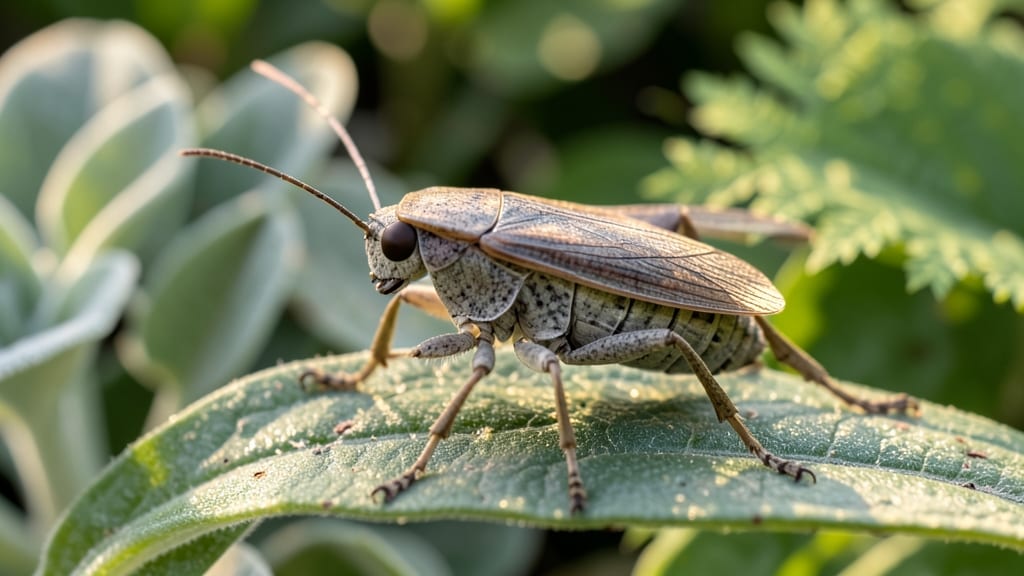
The leaf-footed bug predators are the unsung heroes of your garden, turning your tomatoes and peppers into a feast for nature’s pest controllers—but you don’t need sprays to make it happen. 🌿 I’ve watched parasitic wasps and hungry birds turn my garden into a leaf-footed bug buffet, and the best part?
You can invite them to the party without ever touching a chemical spray.
The real secret lies in creating the right habitat. A diverse garden with native plants, mulch piles, and water sources attracts the predators that actually want to eat these pests. Ladybugs, lacewings, and even spiders become your silent allies—no setup required, just a little strategic planting.
By next summer, your plants will be thriving, not just surviving. The leaf-footed bugs? Gone before they even notice they’re outnumbered. This isn’t just pest control—it’s rewriting the food chain in your favor.
Works in any garden, from containers to full-size plots. Let’s get those predators working for you—naturally.
Natural Forces Behind Their Feasts
Leaf-footed bugs—those pesky, plant-munching invaders—don’t just appear out of nowhere. Their rapid spread and voracious appetite are the result of a perfect storm of ecological and environmental factors. Understanding these causes helps gardeners and farmers strategically deploy solutions like neem oil to disrupt their lifecycle before they wreak havoc.
Here’s why these bugs thrive—and how their predators (or your interventions) can tip the balance.
Leaf-footed bugs are opportunistic feeders, and dense plantings create the ideal buffet. When gardens or crops are packed too tightly, bugs find shelter, breeding grounds, and an endless supply of tender leaves and fruits. Here’s why it’s a recipe for disaster:
- Limited predator access: Overgrown foliage blocks natural enemies like birds, spiders, and parasitic wasps from patrolling effectively.
- Microclimate perfection: Thick canopies trap humidity, slowing down beneficial insects and speeding up bug reproduction.
- Stressed plants attract more bugs: Crowded plants produce weaker, more nutrient-rich foliage—like a neon "Eat Me" sign for leaf-footed bugs.
Actionable fix: Prune regularly to improve airflow and visibility, and space plants according to their mature size. Pro tip: 💡 Interplant with marigolds or basil—their strong scents repel bugs naturally.
Leaf-footed bugs are warm-weather lovers, and rising temperatures expand their habitat. Climate changes—like longer growing seasons and milder winters—allow them to:
- Survive winters: Adults hide in leaf litter or mulch, emerging earlier in the spring to lay eggs.
- Accelerate reproduction: Warmer temps shorten their lifecycle, meaning multiple generations per year instead of one.
- Spread geographically: Bugs migrate to cooler regions they once avoided, catching gardeners off guard.
Actionable fix: Monitor weather patterns and apply neem oil as a preventive spray in early spring (before eggs hatch). Pro tip: 🌡️ Use row covers in late winter to block migrating adults.
Ironically, broad-spectrum pesticides often make leaf-footed bug infestations worse by:
- Eliminating natural predators: Chemicals like pyrethroids kill ladybugs, lacewings, and parasitic wasps—bugs’ top enemies.
- Triggering resistance: Bugs develop immunity to pesticides, while their predators don’t adapt as quickly.
- Creating a vacuum effect: Without predators, surviving bugs reproduce unchecked, leading to explosive populations.
Actionable fix: Switch to neem oil, which disrupts bug hormones and is safe for most beneficial insects. Pro tip: 🔥 Rotate with insecticidal soap for stubborn cases.
Large-scale farms with single-crop plantings (like strawberries or tomatoes) create a leaf-footed bug’s dream scenario:
- No escape from food: Bugs can’t wander far—their entire diet is right there.
- Less biodiversity = fewer predators: Monocultures lack the habitat diversity that supports natural enemies.
- Mechanical harvesting delays: Infestations go unnoticed until crops are already damaged.
Actionable fix: For home gardens, diversify plantings with herbs, flowers, and trap crops (like nasturtiums). Pro tip: ✨ Plant border rows of dill or fennel to lure bugs away from prized crops.
When these factors align, leaf-footed bugs go from annoying pests to full-blown garden disasters.
But by targeting the root causes—overcrowding, climate shifts, pesticide misuse, and monocultures—you can starve them out before they start eating. Neem oil is your secret weapon: it attacks bugs directly and restores balance to your ecosystem.
Natural Ways to Outsmart Garden Pests
Leaf-footed bugs and their kin can turn your lush garden into a battleground, but you don’t need harsh chemicals to reclaim it. With the right strategies, you can deter pests, protect plants, and even encourage their natural predators—all while keeping your garden thriving.
Below, we break down practical, step-by-step solutions tailored to common causes of infestations, from overcrowded plants to weak soil defenses.
When plants are packed too tightly or struggling, they become easy targets for leaf-footed bugs. These pests thrive in chaotic, nutrient-deprived gardens where they can hide and feed undetected.
🔥 Step 1: Thin Out Plants for Better Airflow
- Prune aggressively: Remove overgrown branches, dead leaves, and dense foliage to reduce hiding spots for bugs.
- Space plants properly: Follow seed packet guidelines for spacing—most vegetables and flowers need 12–24 inches between plants for airflow.
- Prioritize low-maintenance plants: Opt for drought-resistant varieties (like rosemary, thyme, or okra) that pests avoid.
🍳 Step 2: Strengthen Plant Immunity with Neem Oil Neem oil is a powerhouse for prevention—it disrupts pests’ life cycles while boosting plant resilience. - Mix & spray: Combine 1 tbsp neem oil + 1 tsp mild soap + 1 quart water.
Spray early morning or late evening (avoid direct sun). - Reapply weekly until pests decline. Pro tip: 💡 Add a garlic or chili spray (blend 2 garlic cloves + 1 tbsp cayenne in water) for extra repellent power.
👨🍳 Step 3: Rotate Crops to Confuse Pests Leaf-footed bugs memorize favorite plants.
Rotate crops yearly (e.g., tomatoes → beans → squash) to break their feeding patterns. - Interplant with repellents: Surround vulnerable plants (like tomatoes) with basil, marigolds, or nasturtiums—these mask plant scents that attract bugs.
Instead of fighting pests alone, leverage nature’s cleanup crew—birds, ladybugs, lacewings, and parasitic wasps devour leaf-footed bugs before they cause damage.
🔪 Step 1: Create a Predator-Friendly Habitat
- Install birdhouses & baths: Attract robins, wrens, and chickadees—they feast on leaf-footed bugs.
- Add water sources: A shallow dish with pebbles and water invites ladybugs and lacewings.
- Plant native flowers: Dill, fennel, and yarrow attract parasitic wasps, which lay eggs inside bug eggs (killing them from within!).
⏰ Step 2: Time Sprays for Maximum Predator Safety
If you must use pesticides (like neem oil), apply at dusk when beneficial insects are least active. Avoid broad-spectrum chemicals (like malathion)—they wipe out predators too.
🎯 Step 3: Hand-Pick & Trap Strategically
- Drop bugs in soapy water: Wear gloves, shake plants over a bucket of soapy water to drown adults.
- Use yellow sticky traps: Place yellow cards near plants—leaf-footed bugs are drawn to bright colors.
- Coffee grounds trick: Sprinkle used coffee grounds around plants—caffeine repels bugs while attracting earthworms (which aerate soil).
The best defense? Stop pests before they arrive. Here’s how to future-proof your garden:
| Problem | Prevention Tip | Action Step |
|---|---|---|
| Weak soil nutrients | Test soil pH (ideal: 6.0–7.0) | Add compost or worm castings |
| Dry, cracked soil | Mulch with straw or wood chips | Retain moisture & deter bugs |
| Late-season neglect | Clean up debris before winter | Remove plant refuse where bugs overwinter |
| Attracting pests with fertilizer | Use slow-release, organic fertilizer | Avoid nitrogen-heavy spikes |
✨ Pro Tips for Long-Term Defense
- 💡 Plant trap crops: Sacrifice a small patch of beans or peas—leaf-footed bugs will target these first, sparing your main crops.
- 🌡️ Use row covers early: Floating row covers (lightweight fabric) block bugs while allowing pollinators through.
- 🔄 Inspect new plants: Quarantine store-bought or nursery plants for 1–2 weeks before introducing them to your garden.
By combining smart gardening, neem oil precision strikes, and predator support, you’ll outmaneuver leaf-footed bugs without resorting to toxic chemicals. Healthy soil + happy predators = a pest-free paradise! 🌿🐞🚫
Frequently asked questions
What are the most effective natural predators for leaf-footed bugs?
Birds like robins and wrens are top predators, but parasitic wasps and lacewings are the real game-changers. These tiny wasps lay eggs inside leaf-footed bug eggs, killing them from within. Ladybugs and ground beetles also help by devouring adults and nymphs.
How can I attract more predators to my garden?
Plant native flowers like dill, fennel, and yarrow—they lure parasitic wasps. Add birdhouses and shallow water dishes with pebbles to attract ladybugs and lacewings. Mulch piles and leaf litter provide shelter for ground beetles, which hunt bugs at night.
Will neem oil harm the predators of leaf-footed bugs?
Neem oil is generally safe for most beneficial insects when used correctly. Apply it at dusk when predators are less active, and avoid overspraying. For extra safety, mix it with a mild soap (1 tsp per quart) to reduce residue buildup on plants.
Can I manually remove leaf-footed bugs without hurting predators?
Yes! Use a bucket of soapy water to drown adults you shake off plants. For nymphs, spray them directly with water—this won’t harm predators. Wear gloves to avoid bites, and focus on removing eggs from undersides of leaves with a soft brush.
What should I do if my garden has no predators but still has leaf-footed bugs?
Start by introducing predator habitats immediately—birdhouses, water sources, and native plants. For quick relief, use yellow sticky traps to catch adults. In severe cases, apply neem oil as a last resort, then reintroduce predators once the infestation is under control.