
Tools
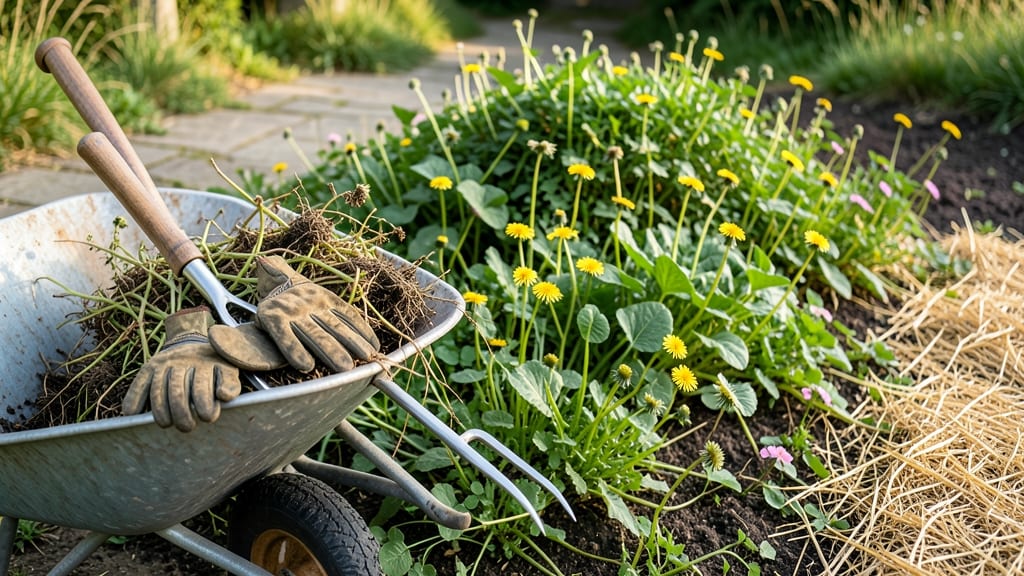
Large leaf garden weeds like dock and plantain can strangle your plants if you don’t act fast. 🌱 I’ve spent years battling these stubborn invaders, and I’ve learned the targeted pulling technique that actually works—no more wasted effort or regrowth in two weeks.
The key is getting the roots completely, or they’ll just come back thicker. These weeds thrive because they spread aggressively through deep, fibrous roots. A quick tug won’t cut it—you need the right tools and timing.
I’ll show you how to identify them by their leaf shape and texture, then pull them out cleanly without damaging your garden beds. Once you master this method, your garden will stay weed-free for months, not just days.
You’ll recognize the difference between harmless volunteers and true pests, so you can focus your energy where it matters most. Works for any garden type—raised beds, in-ground plots, or even container gardens. Let’s get those roots out for good.
Understanding The Root Causes
Large, aggressive weeds with broad leaves don’t just pop up by chance—they thrive because of specific conditions in your garden. If you’ve ever pulled a weed only to see it regrow stronger, you’re dealing with a plant that’s perfectly adapted to exploit weaknesses in your soil, sunlight, or maintenance routine.
Here’s why these stubborn invaders take over, broken down into the most common culprits.
Weeds like dandelions, lamb’s quarters, and purslane thrive in soil that’s either too rich in nutrients or lacking structure. Here’s how it happens:
- Excess nitrogen: Fertilizer-heavy soil (especially with synthetic nitrogen) makes weeds grow faster than your desired plants. Weeds like chickweed and plantain have shallow roots that soak up nitrogen quickly, outcompeting slower-growing flowers or veggies.
- Compacted or bare soil: When soil is hard-packed (from foot traffic or machinery), water runs off instead of soaking in. This creates the perfect moist, disturbed environment for weed seeds to germinate. Crabgrass and goosegrass love these conditions.
- Low organic matter: Soil with little compost or mulch lacks the microbial activity to suppress weeds naturally. Organic matter breaks down into beneficial fungi and bacteria that crowd out weed seeds.
Actionable fix: Test your soil’s pH and nutrient levels (aim for 6.0–7.0 pH for most gardens). Amend with compost or aged manure to improve structure and reduce nitrogen spikes.
Weeds with broad leaves—like bindweed or milkweed—are often heliophytes, meaning they crave full sun. But even shade-tolerant weeds (such as nutsedge) will explode if water is readily available.
- Overwatering: Frequent deep watering (especially from sprinklers) keeps soil consistently moist, triggering weed seeds to germinate. Dandelions can produce up to 20,000 seeds per plant, and they germinate best in damp conditions.
- Poor irrigation practices: Drip irrigation under mulch is ideal, but overhead watering spreads seeds and encourages surface weeds. Even 1/4 inch of water per week can be enough to fuel growth.
- Shade gaps: While some weeds tolerate shade, most need at least 4–6 hours of sunlight to photosynthesize efficiently. If your garden has patchy shade (e.g., from young trees or structures), weeds like creeping Charlie will fill the gaps.
Actionable fix: Use soaker hoses or drip lines to deliver water directly to plant roots. Mulch with 3–4 inches of wood chips or straw to block sunlight and retain moisture—this chokes out weeds by 70–80%.
Weeds don’t just grow—they opportunistically dominate when you’re not paying attention. Here’s how procrastination plays into their success:
- Delayed pulling: Weeds like bindweed (morning glory family) can regrow from even a 1-inch root fragment. If you wait too long, you’re not just pulling the weed—you’re feeding it by leaving behind root pieces.
- Lack of mulching: Bare soil is like an all-you-can-eat buffet for weed seeds. A single square foot of soil can contain 100,000+ weed seeds, and without mulch, they’ll germinate within days.
- Overcrowded plants: When your garden beds are packed with plants, competition for resources (water, nutrients) forces weeds to adapt. They develop deeper roots or more aggressive spreaders (like nutsedge’s underground tubers).
Actionable fix:
- ⏰ Pull weeds weekly—especially when they’re young and roots are shallow.
- 🌿 Mulch immediately after planting or clearing weeds to smother seeds.
- 🌱 Space plants properly (follow seed packet guidelines) to reduce gaps where weeds can establish.
Every time you till, dig, or even walk on your garden, you’re aerating the soil—and that’s a green light for weeds. Here’s why:
- Tilling buries weed seeds: Deep tilling can bring dormant seeds from the subsoil (where they’ve been waiting for decades) to the surface, where they germinate. Chickweed seeds, for example, can stay viable for 5–10 years underground.
- Digging disrupts root systems: When you remove large weeds (like quackgrass), fragments of their rhizomes or runners can regrow into new plants. Even a 1-inch piece of bindweed root can produce a full-sized weed.
- Erosion or foot traffic: Compacted paths or eroded slopes create microclimates where weeds like mallow or pigweed thrive due to disturbed soil and exposed nutrients.
Actionable fix:
- 🚜 Avoid tilling—use a broadfork or no-till gardening to loosen soil without bringing seeds up.
- 🧹 Hand-pull weeds (especially perennials) and inspect roots for fragments before discarding.
- 🛡️ Use landscape fabric under mulch in high-traffic areas to prevent soil disturbance.
By addressing these root causes—literally—you’ll starve out large-leaf weeds before they become unmanageable. The key is consistency: healthy soil, smart watering, and regular maintenance make your garden a hostile environment for weeds. Next up, we’ll dive into targeted pulling techniques to remove stubborn roots for good.
Beat Back Stubborn Broadleaf Invaders
Large, aggressive weeds with broad leaves don’t just ruin your garden’s curb appeal—they steal nutrients, water, and sunlight from your prized plants. But with the right targeted approach, you can reclaim your garden without resorting to harsh chemicals.
Below, we break down the most effective solutions by cause, from overcrowding to deep-rooted pests, plus preventive strategies to keep them from staging a comeback. Let’s tackle this step by step!
When your garden beds are packed with weeds, it’s often a sign your plants are competing for space, water, and nutrients. Weeds like dandelions and plantain spread rapidly in these conditions, smothering your flowers and veggies.
🍳 Step 1: Clear the Competition
- Pull by hand (best for dry soil): Use a weed puller or your fingers to grasp the weed at the base. For stubborn roots, wiggle gently to loosen them before tugging upward. Pro tip: Grab weeds when the soil is damp but not soggy—this makes roots easier to extract.
- Use a hoe for thick patches: A stirrup hoe or Hula hoe slices through weeds at the soil level without disturbing your plants. Work in a figure-eight motion to sever roots and prevent regrowth.
👨🍳 Step 2: Mulch to Suffocate Weeds
- Spread 2–4 inches of organic mulch (straw, wood chips, or shredded leaves) around plants. This blocks sunlight, deprives weeds of air, and retains moisture.
- Inorganic mulches (like landscape fabric) work too, but they trap heat—opt for organic for long-term soil health.
⏰ Prevention: Plant Strategically
- Space plants 12–18 inches apart to reduce bare soil where weeds germinate.
- Interplant fast-growing cover crops (like clover or vetch) to outcompete weeds naturally.
- Water deeply but less frequently—weeds thrive in shallow, frequent moisture.
Some weeds, like bindweed or nutgrass, send roots deep into the soil. Yanking them out often leaves fragments behind, leading to regrowth.
🔪 Step 1: Dig Deep (Literally)
- Use a dandelion digger or weeding knife to cut roots at least 6 inches deep. For persistent weeds, repeat weekly until no green shoots appear.
- Vinegar solution (20% acetic acid) kills deep-rooted weeds on contact. Spray directly on leaves (avoid desirable plants—it’s non-selective!).
🌡️ Step 2: Solarize the Soil (For Extreme Cases)
- Cover the area with clear plastic sheeting for 4–6 weeks in hot weather. The trapped heat kills weed seeds and roots. Best for: Bare soil patches or heavily infested areas before replanting.
🎯 Prevention: Break the Root Cycle
- Sow thick ground covers (like creeping thyme or ajuga) to smother weeds long-term.
- Avoid tilling—it buries weed seeds deeper, making them harder to eradicate.
Weeds like lamb’s quarters and pigweed release thousands of seeds, ensuring a never-ending supply of new invaders.
🌿 Step 1: Collect and Remove Seeds
- Bag and dispose of weeds before they go to seed. Even a few seeds can create a future headache!
- Mow high (3–4 inches) to weaken weeds like crabgrass before they seed.
✨ Step 2: Pre-Emergent Barriers
- Apply a pre-emergent herbicide (like corn gluten meal) in early spring to prevent weed seeds from germinating.
- Hand-pull seedlings when they’re young—easier than dealing with mature plants!
🔥 Prevention: Healthy Soil = Fewer Weeds
- Add compost to improve soil structure, helping your plants outcompete weeds.
- Rotate crops annually to disrupt weed life cycles.
Don’t fight weeds with your bare hands—equip yourself with the right tools for the job:
| Tool | Best For | Pro Tip |
|---|---|---|
| Weed Puller (Griffin or similar) | Deep-rooted weeds like dandelions | Use on damp soil for easier extraction. |
| Hula Hoe | Thin weeds in large beds | Work in early morning when weeds are turgid (full of water). |
| Flame Weeder | Driveway cracks, sidewalks (non-organic areas) | Use in dry conditions—never near flammable materials. |
| Boiling Water | Small patches (like between pavers) | Pour directly on weeds—avoid desirable plants. |
With persistence and the right techniques, you can eliminate large-leaf weeds and keep them from returning. Start with the methods that match your garden’s biggest challenges, then layer in prevention strategies for long-term success. Your garden will thank you!
Frequently asked questions
How do I tell if a large leaf is from a weed or a beneficial plant?
Look for key differences: weed leaves often have jagged edges, uneven veins, or grow in clusters at the base of the plant. Beneficial plants usually have smooth edges and grow upright. For example, dandelion leaves are deeply lobed, while plantain leaves are broad and ribbed. When in doubt, research the plant’s flower shape—weeds often have small, nondescript blooms.
Why do some weeds keep coming back even after pulling?
Many large-leaf weeds like bindweed or nutsedge regrow from tiny root fragments left in the soil. To prevent regrowth, always pull weeds when soil is moist and inspect roots for breaks. For stubborn weeds, dig 6+ inches deep or use a dandelion digger to sever hidden roots completely.
Can I use vinegar to kill large-leaf weeds without harming my garden?
Yes, but with caution! A 20% acetic acid vinegar solution works best on mature weeds. Spray directly on leaves (avoid desirable plants—it’s non-selective). For safety, apply on a dry day and spot-test first. For delicate gardens, hand-pulling or mulching is a gentler alternative.
What’s the best time of day to pull weeds for maximum effectiveness?
Early morning is ideal! Weeds are most hydrated after overnight water absorption, making roots easier to extract. Avoid pulling in the heat of the day—soil dries out quickly, and you risk breaking roots, leading to regrowth. If you must pull later, water the area first to soften the soil.
How long does it take to see results from mulching to prevent weeds?
Results appear within 2–4 weeks, depending on the mulch type and weed severity. Organic mulches (like straw or wood chips) work fastest by blocking sunlight and suffocating weeds. For existing weeds, combine mulching with hand-pulling for quicker clearance. Consistency is key—replenish mulch every 3–6 months.