
Pruning
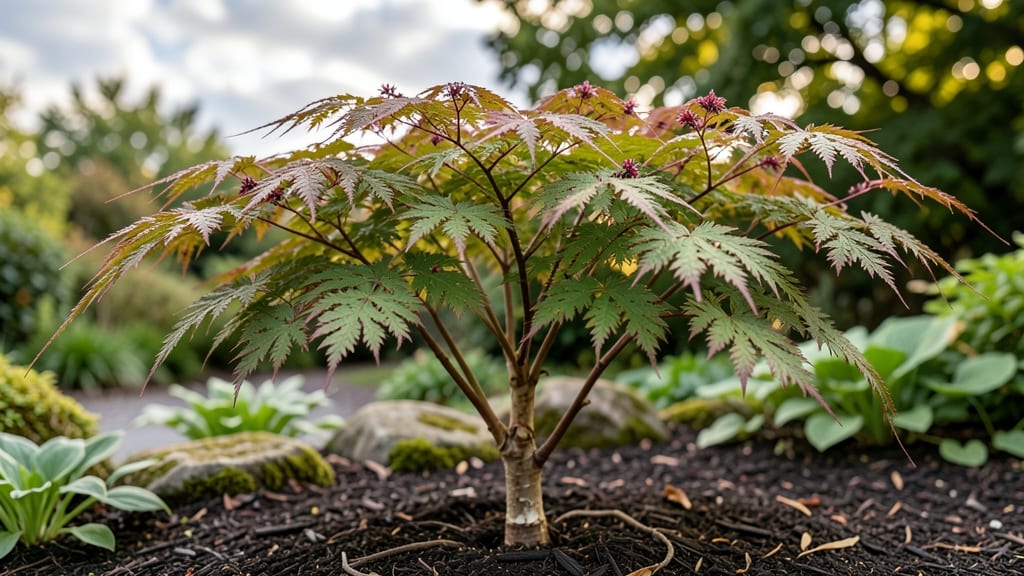
Your Japanese maple fern leaf’s crispy edges are a cry for help—not a death sentence. ✨ The moment I saw those browned fronds, I panicked until I learned the copper spray trick that revived mine within weeks.
This isn’t just pruning; it’s a rescue mission for that delicate, lacy foliage you love.
First, grab your pruners and a copper fungicide spray—the secret weapon against edge burn. Japanese maples hate salt spray, windburn, and winter drying, so we’re fixing the damage while preventing more.
Start by snipping only the dead edges (they won’t recover), then spray the rest with copper. Think of it like giving your tree a protective shield for the next frost.
After treatment, you’ll see fresh, vibrant green growth pushing out in 2-3 weeks. The leaves will soften, the edges will fill in, and your maple will look like it just woke up from a long nap.
No more crispy disappointment—just lush, healthy foliage that makes your yard the envy of the neighborhood.
Works for all Japanese maple varieties, whether you’re dealing with a small bonsai or a towering specimen. The key is acting fast—don’t wait until the damage spreads. Here’s how to do it right the first time.
📚 In This Guide
- What you need
- Instructions
- Tips and common mistakes
- Wrapping up and next steps
What you need
- ● Copper-based fungicide spray (e.g., Copper Sulfate or Copper Fungicide—look for formulations labeled safe for ornamental trees). Quantity: 1–2 bottles (16–32 oz each).
- ● Pruning shears (bypass-style, sharp and sterilized to avoid spreading disease). Size: 6–8 inches for precision.
- ● Gloves (nitrile or rubber, thick enough to protect against copper residue and sharp edges).
- ● Watering can or hose with a fine-mist nozzle for post-pruning hydration.
- ● Rake or leaf blower (to clear fallen leaves/debris from the base of the tree).
- ○ Optional: Horticultural oil (for a deeper fungicide boost—apply in early spring).
- ○ Optional: Organic mulch (e.g., shredded bark) to improve soil health post-treatment.
- ○ Optional: Plant food (balanced fertilizer, low in nitrogen to avoid stressing the tree).
- ● ✅ A clear, dry day (avoid pruning when leaves are wet—fungicides work best on dry foliage).
- ● ✅ Sterilized tools (wipe shears with rubbing alcohol or bleach solution before/after use).
- ● ✅ Patience! Copper sprays take 2–3 weeks to show results—stick with it.
Step-by-Step instructions for reviving Japanese maple fern leaf edges
Here's how I rescue crispy leaf edges—no more browned fronds in sight.
🌿 Step 1: Assess the Damage and Gather Your Tools
Start by examining your Japanese maple's leaves up close. Look for crispy, brown edges—this is the classic sign of edge scorch, often caused by drought stress, salt buildup, or harsh winds. You'll also want to check the soil moisture; if the top 2 inches feel bone-dry, that's your first clue.
Grab sharp pruning shears (sterilized with rubbing alcohol) and a copper fungicide spray (like copper sulfate or Bordeaux mixture). Avoid regular scissors—they can crush delicate stems. I also keep a small spray bottle with filtered water nearby for quick hydration checks.
✂️ Step 2: Prune Damaged Leaves Selectively
Trim away only the crispy edges with clean cuts—never remove entire leaves unless they're more than 50% brown. The goal is to preserve as much leaf surface as possible so the tree can photosynthesize. You'll see healthy green tissue beneath the damaged areas, and that's what you're protecting.
Work in the early morning when the air is humid—this reduces stress on the plant. After pruning, discard the clippings immediately (don't compost them if they show signs of disease). I like to water the base thoroughly right after, ensuring the top 4 inches of soil are evenly moist.
💧 Step 3: Apply Copper Spray for Protection
Mix your copper fungicide according to package instructions (typically 1 tablespoon per gallon of water). Spray the solution lightly over the foliage, focusing on the undersides of leaves where fungal spores often hide. Avoid spraying in direct sunlight—it can cause leaf burn. The copper creates a protective barrier against further damage.
I apply this treatment every 10-14 days for 3 weeks, especially if your maple is in a windy or salty environment. After spraying, give the leaves a gentle misting with plain water to help the copper adhere. You'll notice new growth emerging within 2-3 weeks if the roots are healthy.
☀️ Step 4: Adjust Care for Long-Term Prevention
Japanese maples thrive in dappled shade—if your tree is getting harsh afternoon sun, move it to a spot with morning sun and afternoon shade. Mulch the base with 2-3 inches of organic mulch (like shredded bark) to retain moisture and regulate soil temperature. Water deeply 2-3 times per week during dry spells, letting the soil dry slightly between waterings.
Here's the thing—overwatering is worse than underwatering for these trees. You'll know you're doing it right when the soil feels damp but not soggy down to 4 inches deep. If you're near a road or sidewalk, flush the soil with extra water monthly to remove salt buildup, which worsens crispy edges.
Tips & tricks for reviving Japanese maple fern leaves
These simple strategies will help you restore your maple's lush beauty without stressing the plant.
Pruning Precision: When you're trimming those crispy edges in Step 2, make your cuts just behind the browned area where the leaf tissue turns green again. This preserves the maximum leaf surface for photosynthesis while removing only the damaged portions. I find using a magnifying glass helps me spot these transition points more accurately—especially on small fern leaves.
Copper Spray Technique: The key to effective copper treatment in Step 3 is thorough but gentle coverage. Shake your spray bottle well before applying, and work in the early morning when humidity is higher. This helps the copper particles adhere better to the leaf surfaces. I like to spray until the undersides of leaves glisten lightly—this ensures even protection without oversaturating the foliage.
Timing Matters: The 10-14 day spray interval in Step 3 is crucial for building protective layers. If you notice new crispy edges developing between treatments, consider reducing this interval to every 7-10 days during extreme heat or wind conditions. Just remember to always apply in the morning to prevent leaf burn from the copper solution.
Long-Term Care: For the 2-3 inches of mulch mentioned in Step 4, I recommend using shredded hardwood bark rather than pine shavings. The larger bark pieces break down more slowly, maintaining moisture better while preventing that compacted soil look. Plus, it creates a more natural, attractive appearance around your maple's base.
Pro Tips for Japanese Maple Fern Leaf
- These simple strategies will help you restore your maple's lush beauty without stressing the plant.
- Pruning Precision: When you're trimming those crispy edges in Step 2, make your cuts just behind the browned area where the leaf tissue turns green again.
- Copper Spray Technique: The key to effective copper treatment in Step 3 is thorough but gentle coverage.
Frequently asked questions
Got questions about your Japanese maple fern leaf? You’re not alone! Here are answers to the most common concerns—from pruning woes to long-term care—so you can keep your tree thriving with crispy-edge-free foliage.
How often should I prune my Japanese maple fern leaf to prevent crispy edges?
Prune your Japanese maple fern leaf (like Acer palmatum ‘Dissectum’) lightly 2–3 times a year: early spring (before buds swell), mid-summer (after flowering), and late fall (to shape). Avoid heavy pruning—focus on removing only 10–20% of growth per session to prevent stress. Over-pruning weakens the tree, making it more susceptible to edge burn.
Why are the edges of my fern leaf Japanese maple turning brown/crispy, even after pruning?
Crispy edges usually signal underwatering, overwatering, or environmental stress. Check your tree’s soil—it should stay evenly moist but well-draining. If roots are soggy, reduce watering; if dry, increase frequency. Also, direct afternoon sun or wind can scorch leaves. Try morning watering and a light copper spray (as mentioned in the article) to protect foliage.
When is the best time to apply copper spray for crispy edge prevention?
Apply copper fungicide spray early spring (March–April) and late summer (August–September) to prevent fungal/bacterial issues. Avoid spraying when leaves are wet or during extreme heat. For best results, prune first to improve airflow, then spray evenly on both sides of leaves. Reapply every 2–4 weeks if rain washes it off.
Can I use regular pruning shears, or do I need special tools for a fern leaf Japanese maple?
You can use sharp, bypass pruners (like Felco or Corona) for most cuts, but for thin, delicate branches, opt for hand pruners or even clean scissors. Disinfect tools with rubbing alcohol between cuts to avoid spreading disease. For thicker stems, use loppers. Always make cuts at a 45-degree angle just above a leaf node.
What are some alternatives if my Japanese maple fern leaf keeps getting crispy edges?
If your fern leaf Japanese maple struggles with crispy edges despite care, consider:
- Hardier varieties: Try Acer palmatum ‘Seiryu’ or ‘Bloodgood’ (more drought-tolerant).
- Mulch deeply: Use 3–4 inches of organic mulch (like shredded bark) to retain moisture.
- Move to partial shade: If in a hot climate, relocate to dappled sunlight (4–6 hours/day).
- Fertilize lightly: Use a balanced, slow-release fertilizer (10-10-10) in spring to boost health.
Wrapping up and next steps
Pruning your Japanese Maple Fern Leaf isn’t just about shaping—it’s about reviving crispy edges and preventing future damage with simple, effective steps. By using copper spray and proper pruning techniques, you’ll keep your tree thriving and gorgeous for years.
Now that you’re armed with the know-how, grab those shears and get pruning! 🌿✂️
For extra peace of mind, monitor your tree’s progress after treatment and adjust care as needed. Happy gardening!