
Light Requirements
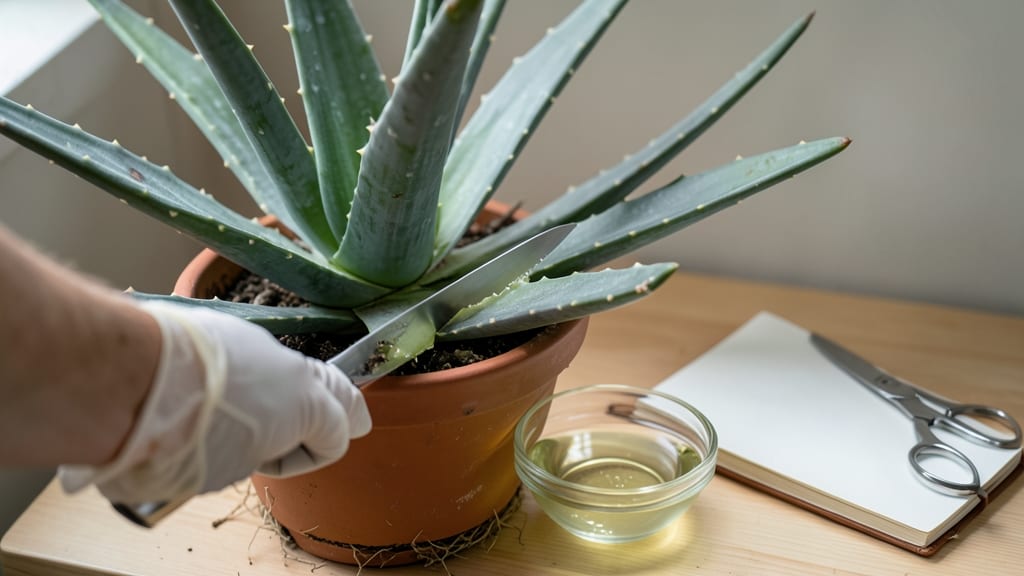
The first step is extracting the gel safely: slice open a thick leaf, scoop out the clear gel with a spoon, and store it in an airtight container in the fridge for up to a week.
No preservatives needed—just fresh, natural aloe ready for anything from skincare to DIY cleaning sprays.
You’ll end up with a multi-purpose tool that replaces store-bought products: mix gel with water for a sunburn relief spray, add a drop to shampoo for scalp soothing, or even use it as a natural polish for wooden furniture.
The gel’s antibacterial properties make it a game-changer for minor cuts and bug bites too.
Works for beginners and seasoned plant parents alike—just avoid the yellow latex (it can irritate skin) and always patch-test first. Here’s how to make the most of every leaf you harvest.
📚 In This Guide
- What you need
- Instructions
- Tips and common mistakes
- Wrapping up and next steps
What you need
- ● Fresh aloe leaf: 1-2 mature leaves (3-4 inches long, thick, and plump). Choose leaves from a plant at least 3+ years old for the best gel quality.
- ● Sharp knife or scissors: A clean, sterilized blade (e.g., a chef’s knife or garden shears) to slice the leaf safely.
- ● Cutting board: A sturdy, food-safe surface (preferably plastic or wood) to avoid damaging knives.
- ● Spoon or gel extractor: A clean tablespoon or a gel extractor tool to scoop out the gel.
- ● Bowl or container: A glass or ceramic bowl to collect the gel (avoid metal to prevent oxidation).
- ○ Strainer (optional but helpful): A fine-mesh sieve or cheesecloth to remove any fibrous residue from the gel.
- ● Storage container: An airtight glass jar or silicone mold for preserving gel (for up to 1 week in the fridge or 3 months frozen).
- ● Lemon juice or honey: 1 tbsp (to enhance flavor or preserve gel longer).
- ● Blender or food processor: For making aloe juice or smoothies (if using the leaf’s liquid).
- ● Vitamin C powder: ¼ tsp (to stabilize aloe vera gel and prevent browning).
- ● Essential oils (e.g., lavender or tea tree): 2-3 drops (for DIY skincare blends).
- ● Latex gloves: To avoid skin irritation if you’re sensitive to aloe latex.
How to use aloe leaf for unexpected household solutions
Skip the store-bought cleaners—your aloe plant already grows a natural powerhouse.
🌿 Step 1: Harvest the Leaf Properly
Select the thickest, mature leaf from the outer edges of the plant. I always pick one that's at least 12 inches long—thicker leaves yield more gel. Use a sharp knife to cut it cleanly at the base, then let it sit upright for 10 minutes to allow the latex (a mild laxative) to drain out. This step is critical—skipping it can leave a bitter taste in homemade remedies.
Place the cut leaf in the fridge for 24 hours before using. The cold stabilizes the enzymes in the gel, making it easier to extract. You'll know it's ready when the leaf feels slightly softer and the gel separates cleanly when sliced open.
💧 Step 2: Extract the Gel for Versatile Uses
Rinse the leaf under cool water to remove any residual latex. Lay it flat on a cutting board and slice it lengthwise with a serrated knife. The gel will ooze out naturally—no need to squeeze. I use a spoon to scoop it directly into a small bowl, leaving behind the fibrous skin. For 4 servings, you'll need about ½ cup of gel from one large leaf.
Store any unused gel in an airtight container in the fridge for up to 7 days. The gel oxidizes over time, turning slightly brown—that's normal and doesn't affect its properties. If you're making something that requires freshness, like a facial mask, use it within 48 hours for the best results.
☀️ Step 3: Make a Natural Household Cleaner
Mix ¼ cup aloe gel with 1 cup white vinegar and 10 drops of essential oil (like lemon or tea tree for antibacterial properties). Stir well and pour into a spray bottle. This blend cuts through grease and disinfects surfaces—great for kitchen counters or bathroom sinks. Always test on a small area first, as vinegar can dull some finishes over time.
Spray lightly and wipe with a microfiber cloth. The aloe gel leaves surfaces moisturized and streak-free, unlike harsh chemical cleaners. For tough stains, let the solution sit for 2-3 minutes before wiping. I keep a bottle under my sink for quick touch-ups between deep cleanings.
✂️ Step 4: Create a Soothing After-Sun Gel
Combine 2 tablespoons aloe gel with 1 teaspoon coconut oil and 5 drops lavender essential oil. Stir until fully blended and transfer to a small jar. Apply a thin layer to sunburned skin to reduce inflammation and speed healing. The coconut oil adds moisture, while lavender calms irritation. Store in the fridge to preserve freshness.
For best results, apply 3-4 times daily until redness fades. Avoid using on open wounds or blisters. If your skin feels tight after application, add a few drops more coconut oil to the mixture next time—it helps lock in moisture better than pure aloe alone.
🪴 Step 5: Use as a Plant Revitalizer
Dilute 1 tablespoon aloe gel in 1 cup water and use it to water stressed plants. The gel's natural enzymes help break down soil compaction and encourage root growth. I use this on houseplants showing signs of wilting or yellowing leaves. Water at the base, avoiding the foliage, to prevent mold growth.
For 4 servings, you'll need about ½ cup of diluted solution—enough to refresh a medium-sized potted plant. Reapply every 2 weeks during dry spells. You'll notice new growth within 7-10 days if the plant was only slightly stressed. Overwatered plants may take longer to recover, so don't expect miracles if roots are already rotting.
Tips & tricks for perfect aloe leaf applications
Here's what nobody tells you about maximizing your aloe plant's potential beyond basic skin care.
Leaf Selection Matters: Don't just grab any leaf—look for the thickest, most mature ones from the outer edges. These contain the most gel and are less likely to have bitter latex. I've learned the hard way that thinner leaves yield watery gel that doesn't work well for cleaning or plant revitalization. Always choose leaves that are at least 12 inches long for the best results.
Storage Wisdom: After extracting your gel, store it properly to maintain effectiveness. I keep mine in airtight containers in the fridge for up to 7 days, but for applications like facial masks, use it within 48 hours for maximum freshness. The gel will naturally oxidize and turn brown over time—that's completely normal and doesn't affect its properties. Just give it a quick stir before using.
Cleaner Customization: For the household cleaner in Step 3, feel free to experiment with essential oil blends beyond lemon and tea tree. Peppermint works wonders for kitchen surfaces, while eucalyptus adds antibacterial properties to bathroom cleaners. Just remember to test any new combination on a small, hidden area first—vinegar can be surprisingly harsh on some finishes.
Plant Revival Timing: When using aloe as a plant revitalizer, consistency is key. The instructions mention reapplying every 2 weeks, but during extreme heat or drought conditions, you might want to cut that to every 10 days. Watch your plants closely—they'll tell you when they need more. And remember, this works best for plants with mild stress, not those with severe root damage.
Pro Tips for Use Aloe Leaf
- Here's what nobody tells you about maximizing your aloe plant's potential beyond basic skin care.
- Leaf Selection Matters: Don't just grab any leaf—look for the thickest, most mature ones from the outer edges.
- Storage Wisdom: After extracting your gel, store it properly to maintain effectiveness.
Frequently asked questions
Got questions about using aloe leaf? You’re not alone! Here are answers to the most common queries to help you harness this versatile plant safely and effectively.
Can I use aloe leaf straight from the plant?
Yes, but with caution! Always remove the yellow latex (the gel’s bitter outer layer) first—it can cause stomach upset. Rinse the gel with water, then apply or consume. For internal use, opt for food-grade aloe vera juice to avoid contaminants or pesticides from the plant.
How long does aloe leaf gel last in the fridge?
Fresh aloe gel stays good for 7–10 days if stored in an airtight container with a splash of water (to prevent drying). For longer storage, freeze it in ice cube trays—thaw as needed! Pro tip: Label containers with the date to track freshness.
What’s a good alternative if I don’t have an aloe plant?
No aloe? Try these substitutes:
- Cactus gel (like prickly pear) for hydration—milder than aloe but similar texture.
- Commercial aloe vera gel (100% pure, no additives) for skincare or smoothies.
- Honey or coconut oil for moisturizing (though they lack aloe’s soothing enzymes).
Why does my skin sting after using aloe leaf?
Stinging usually means latex residue or an allergic reaction (rare). Rinse the area with cool water and pat dry. If irritation persists, do a patch test first. For sensitive skin, mix aloe gel with a few drops of chamomile tea (cooling properties) before applying.
Is aloe leaf safe to eat raw?
Only if properly prepared! Peel away the latex, rinse the gel thoroughly, and start with ½ teaspoon daily to test tolerance. Avoid the inner fillet (can be toxic). For cooking, blend into smoothies, salads, or marinades—but never consume the skin or yellow sap.
| Quick Fix | When to Use |
|---|---|
| Dilute with water (1:1 ratio) | For sensitive skin or first-time use |
| Add vitamin E oil | To enhance hydration in hair treatments |
| Mix with turmeric | For anti-inflammatory oral rinses |
Wrapping up and next steps
From soothing sunburns to boosting your garden or even freshening up your home, aloe vera leaves are a versatile powerhouse you didn’t know you had! 🌱 Whether you’re a DIY enthusiast, a plant lover, or just looking for natural remedies, these unexpected uses prove that aloe isn’t just for your skincare routine.
Now that you’re armed with these five creative ways to repurpose aloe leaves, why not experiment and discover even more benefits?
Ready to dive deeper? Start small—try one of these methods today and share your results with friends who might be surprised by aloe’s magic! 💚