
Planting
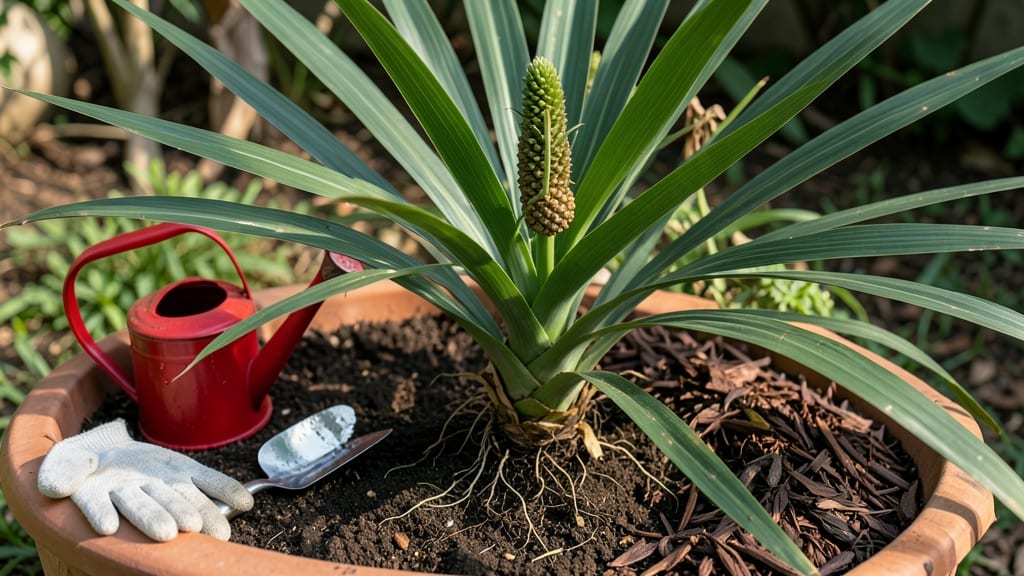
Planting pandan leaf plants unlocks that tropical aroma in your garden or kitchen—no green thumb required. 🌿 The secret lies in mimicking their native humidity and warmth, whether you're tucking one into a pot or planting directly in the ground.
I’ve grown mine for years, and the fragrant leaves never fail to impress, even in partial shade.
You’ll need well-draining soil (a mix of potting soil and perlite works wonders), a spot with bright, indirect light, and a container with drainage holes if growing indoors. Pandan thrives in zones 10-11, but with the right care, container-grown plants can survive indoors almost anywhere.
Spacing matters too—give them 3-5 feet apart outdoors or a 12-inch pot for container growth.
Watering is where beginners trip up: keep the soil moist but not soggy. A light misting of leaves mimics their tropical home, and you’ll see new growth within 4-6 weeks. The real magic? Those vanilla-scented leaves—perfect for cooking or just filling your space with a vacation-like fragrance.
Pro tip: Avoid cold drafts, and prune leggy stems to encourage bushier growth. With these steps, your pandan will reward you with year-round foliage that’s as useful as it is beautiful. Ready to get started?
📚 In This Guide
- What you need
- Instructions
- Tips and common mistakes
- Wrapping up and next steps
What you need
- ● Pandan leaf plant (Screwpine or Pandanus amaryllifolius): 1 healthy plant (potted or bare-root, 6–12 inches tall)
- ● OR 1–2 fresh, mature stalks (with roots intact) from a trusted source
- ● Well-draining potting mix: 5–10 gallons (depending on pot size), mixed with perlite or sand (30% perlite/sand, 70% peat/organic matter)
- ● pH level: 5.5–6.5 (slightly acidic)
- ● Pot or container: 1–2 containers (12–18 inches in diameter) with drainage holes
- ● Material: Terracotta (breathable) or plastic (retains moisture)
- ● Watering can or spray bottle (with a fine mist nozzle)
- ● Fertilizer: Balanced liquid fertilizer (10-10-10 or 20-20-20), diluted to half-strength
- ● OR slow-release organic granules (e.g., worm castings)
- ● Pruning shears or sharp knife (sterilized with rubbing alcohol)
- ● Garden gloves (to protect hands from sharp leaf edges)
- ● Mulch (pine bark or coconut coir, 1–2 inches thick)
- ● Humidity tray (for low-humidity climates)
- ● Support stake or trellis (if growing in containers; pandan can get top-heavy!)
- ● pH testing kit (to monitor soil acidity)
- ● Slow-release root stimulator (e.g., mycorrhizal fungi for faster establishment)
Step-by-step instructions for planting pandan leaf plants
Here's how to establish these fragrant tropical plants successfully—my method ensures they thrive indoors or out.
🌱 Step 1: Prepare the Planting Site or Container
Pandan leaf plants (Pandanus amaryllifolius) thrive in well-draining, slightly acidic soil with a pH between 5.5 and 6.5. For containers, use a mix of 50% peat moss, 30% perlite, and 20% coconut coir—this mimics their humid, airy native environment. If planting directly in the ground, amend native soil with 3 inches of compost and 1 part sand to prevent waterlogging.
Choose a location with bright, indirect light—think filtered sunlight under a canopy or a south-facing window with sheer curtains. Direct sun can scorch the leaves, while too little light causes leggy growth. For outdoor planting in zones 10-11, select a sheltered spot where temperatures stay above 60°F year-round.
🪴 Step 2: Plant the Propagation Material
Pandan is most commonly propagated from crown cuttings or air layering. If using a cutting, let it callus for 24 hours before planting in the prepared mix. Bury the base 1 inch deep, leaving the top portion exposed. For air-layered plants, simply place the rooted section into the soil—its pre-formed roots will integrate quickly.
Press the soil gently around the base to eliminate air pockets, but avoid compacting it. Water lightly until moisture reaches 2 inches deep, then allow the top 1 inch of soil to dry before watering again. Overwatering at this stage causes root rot, which is fatal for pandan.
☀️ Step 3: Establish Light and Humidity Conditions
Place the newly planted pandan in a humid environment—aim for 60-70% humidity. A pebble tray with water beneath the pot or a humidifier nearby works well. Mist the leaves daily for the first month to help them acclimate, but avoid wetting the crown where leaves meet the stem.
Watch for new growth emerging from the center—this signals successful rooting. If leaves yellow, it’s often due to low humidity or overwatering. Adjust care by reducing watering frequency and increasing air circulation. Pandan plants grow slowly at first, so don’t rush—3-6 months is normal for initial establishment.
💧 Step 4: Maintain Watering and Fertilization Routine
Once established, water when the top 2 inches of soil feel dry—typically every 7-10 days in warm conditions. Pandan plants prefer slightly moist but never soggy soil. Use lukewarm water to avoid shocking the roots, and always water at the base to keep leaves dry.
Fertilize monthly during spring and summer with a balanced liquid fertilizer (10-10-10) diluted to half strength. Skip fertilization in fall and winter when growth slows. You’ll know it’s working when the leaves develop their signature fragrant, leathery texture and grow 12-18 inches tall in ideal conditions.
✂️ Step 5: Prune and Encourage Bushier Growth
Pandan plants grow in a clumping habit, so pruning encourages denser foliage. Trim yellow or damaged leaves at the base with sterilized scissors, and cut back overly long stems to encourage branching. The best time to prune is early spring before new growth begins.
If your pandan becomes top-heavy, stake it lightly to prevent tipping. With proper care, it will develop multiple sturdy stems over time. Harvest leaves as needed—younger leaves are more tender and fragrant, while mature leaves add texture and aroma to culinary dishes.
Tips & tricks for planting pandan leaf plants
These simple yet game-changing insights will help you avoid the most common pitfalls when growing your fragrant tropical perennial.
Soil Mix Precision: The 50% peat moss, 30% perlite, and 20% coconut coir ratio is non-negotiable for proper drainage and aeration. If you're using garden soil outdoors, mix in that 3 inches of compost and 1 part sand to mimic the airy, slightly acidic conditions pandan craves. I've seen plants fail spectacularly when garden soil wasn't properly amended—don't skip this step!
Callusing is Critical: That 24-hour callusing period for crown cuttings might seem like overkill, but it's what prevents rot. Place your cutting in a warm, dry spot with good air circulation. You'll know it's ready when you see a slight dry edge forming—this toughens the cutting so it can handle the soil environment without immediate stress.
Humidity Hack: Maintaining 60-70% humidity during the first month is essential, but achieving it doesn't require fancy equipment. Group your plants together, use a pebble tray with water beneath the pots, or even place them in your bathroom while showering. The key is consistency—pandan plants are sensitive to sudden humidity drops, which is why daily misting works so well.
Visual Growth Cues: When watching for new growth in Step 3, look for tiny buds emerging from the center of the plant rather than just leaf expansion. These buds indicate successful root development. Also, healthy leaves should have a slight upward curl at the edges—this is a good sign your humidity levels are just right. Yellowing leaves that start at the tips usually mean either too much direct light or insufficient humidity.
Pro Tips for Plant Pandan Leaf Plant
- These simple yet game-changing insights will help you avoid the most common pitfalls when growing your fragrant tropical perennial.
- Soil Mix Precision: The 50% peat moss, 30% perlite, and 20% coconut coir ratio is non-negotiable for proper drainage and aeration.
- Callusing is Critical: That 24-hour callusing period for crown cuttings might seem like overkill, but it's what prevents rot.
Frequently asked questions
Got questions about growing your own fragrant pandan plant? Here are some of the most common concerns—plus straightforward answers to help you succeed!
How often should I water my pandan plant?
Water your pandan plant when the top 1-2 inches of soil feel dry. In warm, humid climates, this may be every 5-7 days, while cooler or drier conditions might require weekly watering. Overwatering is the biggest risk—ensure the pot has drainage holes to prevent root rot.
How long does it take for pandan leaves to grow back after planting?
New growth typically emerges within 4-8 weeks after planting, depending on conditions. If your plant isn’t sprouting, check for bright, indirect light and ensure the soil stays consistently moist (but not soggy). Patience is key—pandan is a slow but steady grower!
Can I grow pandan leaves indoors?
Yes! Pandan thrives indoors with bright, indirect light (like near an east or north-facing window). A humidity tray or occasional misting will mimic its tropical habitat. Just avoid drafts and keep temps above 60°F (15°C) for best results.
What can I do if my pandan leaves turn yellow?
Yellowing leaves usually signal overwatering or poor drainage. Let the soil dry slightly between waterings and repot if the container lacks drainage. If the issue persists, check for pests (like spider mites) or nutrient deficiencies—feed with a balanced fertilizer every 2-3 months.
Are there any edible alternatives to pandan leaves?
If you love pandan’s aroma but want substitutes, try vanilla extract, lemongrass, or kaffir lime leaves in cooking. For a similar texture in desserts, screwpine (pandan’s cousin) or even a splash of coconut milk can work in a pinch!
Wrapping up and next steps
Growing a pandan leaf plant is a rewarding journey that brings a touch of the tropics to your home or garden! 🌿 With the right soil, sunlight, and care, you’ll enjoy its fragrant leaves year-round.
Whether you’re a beginner or a seasoned gardener, this tropical beauty is well worth the effort.
Now that you’re equipped with all the tips and tricks, take the next step—plant your pandan today! Watch it thrive, and soon, you’ll be harvesting those aromatic leaves for cooking or simply admiring its lush greenery. Happy planting! 🌱✨