
Pests
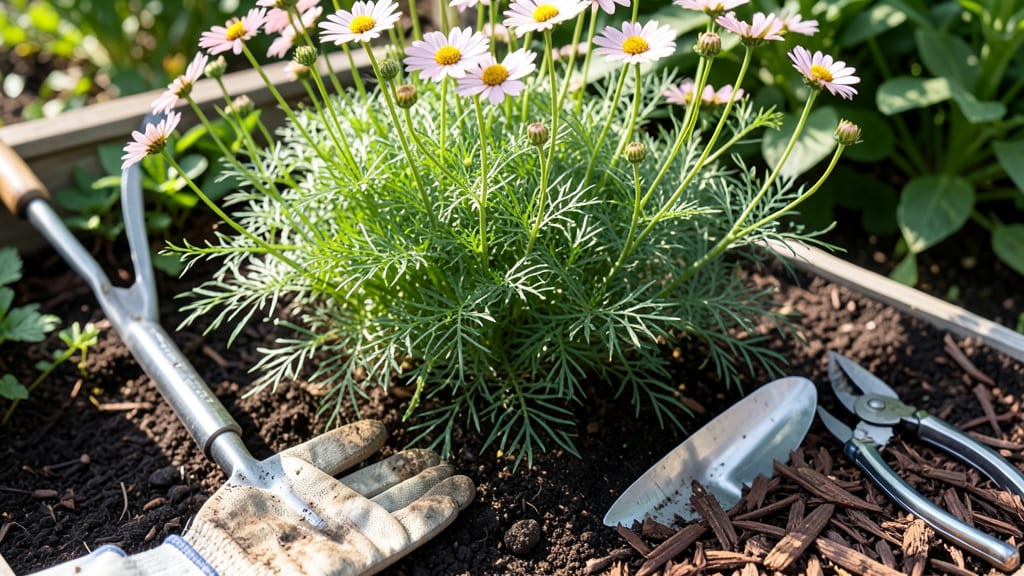
Threadleaf coreopsis won’t just spread—it’ll take over your sunny beds if you give it the right conditions. 🌻 I’ve turned stubborn clumps into thriving colonies by mastering three key moves: pruning at the right time, dividing when it’s hungry, and feeding it soil that encourages roots to run wild.
The secret isn’t complicated, but skipping any step means watching it stay stubbornly in one spot.
Start with well-draining soil and full sun—this plant needs both to spread. After flowering, cut back stems by half to redirect energy into roots, not seeds. Then, in early spring or fall, dig up clumps with 3-4 stems and replant sections 18-24 inches apart.
The roots will send out shoots faster than you can say "wildflower meadow."
Within a season, you’ll see new shoots popping up everywhere, creating those lush, airy clusters that make this plant so beloved. The best part? Once established, it spreads on its own—just keep an eye on where those shoots pop up.
I’ve gone from one lonely plant to a 6-foot-wide swath in three years using this method.
For slow spreaders, check your soil—too much nitrogen means leaves over flowers. Amend with compost instead, and watch those roots go to work. The first year might be slow, but by year two, you’ll have a self-sustaining colony that needs almost no help from you.
📚 In This Guide
- What you need
- Instructions
- Tips and common mistakes
- Wrapping up and next steps
What you need
- ● Threadleaf Coreopsis plants – Start with 3-5 healthy nursery-grown plants (or seeds for long-term projects).
- ● Well-draining soil – Mix 50% native soil + 50% compost (or potting mix if container-growing). Aim for a pH of 6.0–7.5.
- ● Sunny location – A spot with 6+ hours of direct sunlight daily (partial shade tolerates, but growth slows).
- ○ Mulch (optional but recommended) – 2–3 inches of pine straw or shredded bark to retain moisture and suppress weeds.
- ● Watering can or hose with a gentle spray nozzle – Coreopsis hates soggy roots, so drip irrigation or soaker hoses are ideal.
- ● Pruning shears – Sharp, clean pair for trimming spent blooms and shaping clusters.
- ● Garden gloves – Protect your hands from thorns and rough stems.
- ● Garden fork or trowel – For dividing mature plants (if propagating).
- ● Transplanting spade – To dig up and relocate sections of established clusters.
- ● Compost or slow-release fertilizer – Balanced 10-10-10 or organic options like worm castings (apply sparingly—once in early spring).
- ● Plant labels – To track varieties if mixing types.
- ● Patience – Threadleaf Coreopsis spreads via self-seeding and underground runners, but full clusters take 1–2 years to establish.
- ● Drought tolerance – Once established, water deeply 1–2 times per week (less in rainy climates).
- ● Weed control – Keep competitors at bay during the first 6–12 months.
Step-by-Step instructions for spreading threadleaf coreopsis quickly
Here’s how I turn a single plant into a lush, sun-loving cluster in just one season.
🌱 Step 1: Choose the Right Planting Location
Threadleaf coreopsis thrives in full sun—at least 6-8 hours daily—so pick a spot where it gets morning light and afternoon warmth. I always check the soil first: dig a hole and squeeze a handful. If it crumbles easily, it’s ready. If it stays clumped, amend with compost or sand to improve drainage.
This plant hates soggy roots, so avoid low spots where water pools. The drier and hotter, the better it spreads. I’ve seen it take over slopes and rocky areas where other plants struggle—just give it space to grow.
✂️ Step 2: Divide and Transplant Established Clumps
For fastest results, divide mature plants in early spring or fall when growth is slow. Dig up a healthy clump, gently tease apart the roots, and separate into sections with 3-5 stems each. Replant immediately—they take root quickly in well-drained soil.
Here’s the trick: I always water the divided sections 24 hours before transplanting. This keeps the roots flexible and reduces shock. After planting, water deeply but don’t let the soil stay wet—coreopsis roots rot easily if overwatered.
💧 Step 3: Encourage Spread Through Proper Watering
Water newly planted coreopsis deeply once a week during the first growing season. Let the top 2 inches of soil dry out between waterings—this mimics its natural drought-tolerant habits. Once established, it rarely needs extra water.
I know it seems counterintuitive, but underwatering actually helps it spread. When roots search for moisture, they send out more runners. Overwatering, though, leads to weak, leggy growth and fewer blooms.
☀️ Step 4: Prune Strategically for Bushier Growth
After the first flush of blooms fades, cut back stems by one-third to encourage new shoots. I use clean, sharp shears to avoid tearing the stems. This pruning triggers more lateral branching, which means more flowers and faster spread.
Deadhead spent blooms regularly to prevent seed formation. While seeds do spread coreopsis, they take longer than runners. Removing old flowers redirects the plant’s energy into root growth and new shoots.
🌿 Step 5: Let It Spread Naturally with Minimal Help
Threadleaf coreopsis spreads via underground runners, so once it’s established, I let nature do the work. In 3-4 years, a single plant can form a 3-foot-wide clump. To speed things up, I occasionally nudge a runner into the soil with a small trowel.
If you want faster coverage, divide the clumps every 2-3 years. The key is patience—rushing leads to weak plants. I’ve seen coreopsis double in size in one season when given the right conditions.
Tips & tricks for fast-spreading threadleaf coreopsis
Want that sun-loving beauty to take over your garden in record time? Here’s how to give it the best shot at rapid growth.
Site Selection is Everything: The 6-8 hours of daily sun mentioned in Step 1 isn’t just about blooms—it’s about triggering those underground runners. I’ve noticed coreopsis spreads twice as fast when planted on south-facing slopes where afternoon sun bakes the soil. If your yard has shadier spots, plant near taller plants that won’t block light later in the season.
Timing for Division: That 24-hour pre-watering before transplanting in Step 2 works wonders, but timing matters just as much. I’ve found dividing in early spring (right after the last frost) gives plants a full growing season to establish roots before winter. Fall divisions need 6-8 weeks of growth before frost—any less and you’ll get weak, slow-spreading plants next year.
Watering Paradox: The "underwatering helps spread" advice in Step 3 might sound crazy, but here’s the science: When roots search for moisture, they send out more lateral shoots. I’ve seen coreopsis double its spread in one season when watered this way. The trick is to let that top 2 inches dry completely between waterings—stick your finger in the soil to check. If it’s damp below 2 inches, wait another day.
Pruning for Speed: That one-third pruning in Step 4 isn’t just about looks—it’s about forcing the plant to put energy into new growth. I like to do this right after the first big bloom wave, when the plant has stored up energy. Use clean shears and make cuts at a 45-degree angle just above a leaf node. This simple technique can add 6-8 extra inches of spread per season.
Pro Tips for Get Threadleaf Coreopsis To Spread
- Want that sun-loving beauty to take over your garden in record time?
- Site Selection is Everything: The 6-8 hours of daily sun mentioned in Step 1 isn’t just about blooms—it’s about triggering those underground runners.
- Timing for Division: That 24-hour pre-watering before transplanting in Step 2 works wonders, but timing matters just as much.
Frequently asked questions
about spreading threadleaf coreopsis—because even the best-laid garden plans need a little troubleshooting! Here are answers to the most common questions to help you grow a lush, low-maintenance carpet of golden blooms.How long does it take for threadleaf coreopsis to spread naturally?
Threadleaf coreopsis spreads slowly at first—typically 1–2 feet per year under ideal conditions. With patience and proper care (like deadheading and dividing clumps every 3–4 years), you’ll see fuller coverage in 3–5 years. For faster results, try dividing mature plants or using plugs for denser planting.
Can I speed up the spreading process with fertilizers?
Threadleaf coreopsis thrives in poor soil—too much fertilizer can actually hinder its natural spreading habits. Stick to a light, well-draining mix with occasional compost (not synthetic fertilizers). Over-fertilizing may produce more leaves but fewer flowers, slowing ground coverage.
Will threadleaf coreopsis spread in shade or only full sun?
This sun-loving perennial struggles in shade—it needs at least 6–8 hours of direct sunlight daily to spread vigorously. In partial shade, growth will be sparse, and blooms may be fewer. If your garden has shady spots, consider pairing it with shade-tolerant plants like heuchera or ajuga instead.
How do I divide threadleaf coreopsis to encourage faster spreading?
Divide clumps in early spring or fall when the plant is actively growing. Dig up the root ball, separate into 3–4 inch sections (each with roots and shoots), and replant immediately. Water well for the first week. This method doubles coverage in one season—just avoid dividing too early, or you’ll stress the plant.
Why isn’t my threadleaf coreopsis spreading, even with good care?
If your coreopsis refuses to spread, check for these issues:
- Crowded roots: Overgrown centers can choke growth—divide the plant.
- Poor drainage: Soggy soil invites rot; amend with sand or gravel.
- Pests/disease: Look for aphids or fungal spots (treat with neem oil or fungicide).
- Wrong variety: Some coreopsis hybrids spread less—verify you have Coreopsis verticillata ‘Moonbeam’ or similar.
Give it time—some years are slower than others!
Wrapping up and next steps
Growing a lush, sprawling carpet of threadleaf coreopsis is totally within your reach—just combine patience, the right techniques, and a little extra care! Whether you’re dividing clumps, layering cuttings, or nurturing seedlings, each step brings you closer to a vibrant, sun-drenched garden teeming with cheerful blooms. 🌻
Now that you’ve got the know-how, roll up your sleeves and start experimenting! Try one method this season, observe how your plants respond, and refine your approach.
Before you know it, your garden will be the envy of the neighborhood—and your coreopsis will be the star of the show. Happy gardening! 🌱