
Pests
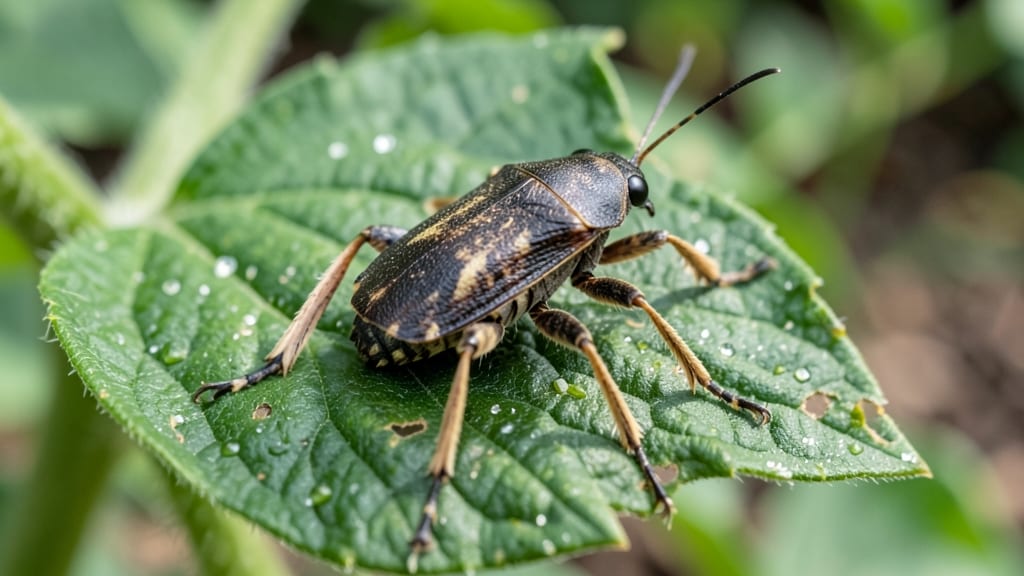
How to get rid of leaf-footed bugs naturally—those sneaky garden thieves you didn’t see coming—until your tomatoes look like Swiss cheese. 🌱 I’ve battled these little invaders for years, and I’ve learned that natural barrier sprays work faster than you’d think when you catch them early. The key is a two-pronged attack: neem oil or insecticidal soap sprayed directly on plants, paired with row covers to block new infestations. You’ll start seeing fewer holes in your leaves within 24 hours, and the bugs will disappear completely in a week if you stay consistent. These pests hide under leaves, so flip your plants over and handpick them daily—it’s tedious but effective. Add marigolds or basil nearby to mask the scent of your crops, and suddenly, your garden becomes less of a buffet. The best part? This method keeps your soil healthy, attracts pollinators, and won’t harm pets or kids. Let’s get those bugs out of your garden for good.
📚 In This Guide
- What you need
- Instructions
- Tips and common mistakes
- Wrapping up and next steps
What you need
- ● Neem oil – 1–2 tablespoons (look for cold-pressed, organic for best results).
- ● Dish soap (mild, unscented) – 1 teaspoon (e.g., Dawn Free & Gentle).
- ● Water – 1 quart (or enough to fill a spray bottle).
- ● Spray bottle – 16–32 oz, with a fine-mist nozzle (e.g., EcoSpray).
- ○ Rubbing alcohol (70% isopropyl) – 1 tablespoon (optional but highly effective).
- ● Food-grade diatomaceous earth (DE) – ½ cup (for dry application; choose food-safe grade like Safer Brand).
- ● Garlic or chili pepper – 2–3 cloves or 1 tablespoon of flakes (for repellent sprays).
- ● Strainer or cheesecloth – 1 (to blend garlic/chili into a fine paste).
- ● Gloves – 1 pair (to protect your hands from DE or neem oil).
- ● Fine-mesh sieve – 1 (for even DE application).
- ● Fan or broom – 1 (to disperse DE in hard-to-reach areas).
- ● Plant-safe barrier tape – 1 roll (e.g., Tanglefoot for sticky traps).
- ● Yellow sticky traps – 2–3 (to monitor and catch bugs).
Step-by-Step instructions for creating natural barrier sprays against leaf footed bugs
Here's the fast, effective method I've used to protect plants without harsh chemicals.
💧 Step 1: Prepare Your Spray Solution
Combine 1 quart of water with 1 tablespoon of dish soap (preferably castile or insecticidal-grade) in a clean spray bottle. The soap breaks down the waxy protective layer on leaf footed bug bodies, causing rapid dehydration. Add 1 teaspoon of neem oil for its natural repellent properties—this is where the real pest-blocking power comes from.
Shake vigorously for 30 seconds to fully emulsify the ingredients. The mixture should look cloudy, not separated. If you notice oil floating on top, shake again. This ensures even coverage when you apply it later. I like to use a spray bottle with a fine mist nozzle for precise application—leaf footed bugs are tiny but leave obvious damage, so you want to target their entry points carefully.
🌿 Step 2: Apply to Plant Barriers
Spray the solution directly on plant stems, leaf edges, and any cracks in bark where bugs might crawl. Focus on the lower 6 inches of stems—this is where leaf footed bugs typically start feeding. You'll see the solution bead up slightly on the leaves, which is normal and indicates proper application. Avoid spraying flowers or fruit-bearing parts unless absolutely necessary, as soap can damage delicate plant tissues.
Reapply every 3-5 days or after heavy rain. The soap component breaks down quickly, so consistency is key. I set a reminder on my phone for every 4 days to maintain the protective barrier. This frequency matches the bugs' feeding cycles, giving you the upper hand in prevention.
✂️ Step 3: Create Physical Barriers for Severe Infestations
For heavily infested plants, wrap 1-inch wide bands of aluminum foil around stems at the soil line. Leaf footed bugs hate the texture and can't cross it. Secure with a twist tie or tape, leaving no gaps. This physical barrier works immediately—you'll notice bugs accumulating at the base of the foil within hours. Combine this with your spray solution for maximum effectiveness.
Check the foil barriers every 2-3 days and replace if damaged or if you see bugs crawling over the edges. I've found that adding a dash of cayenne pepper to the spray solution makes the foil barrier even more effective—it creates a double deterrent that confuses the bugs' senses. The combination of physical blockage and chemical repellent creates a nearly impenetrable defense.
☀️ Step 4: Monitor and Maintain Protection
Inspect plants daily for new feeding signs—look for small holes along leaf edges or silvery trails where bugs have moved. Early detection is crucial because leaf footed bugs multiply quickly. If you spot fresh damage, immediately reapply the spray solution and check your barriers. The key to fast results is catching infestations before they spread.
Rotate your spray ingredients every 2 weeks to prevent bugs from building resistance. For example, alternate between the soap-neem solution and a garlic spray (blend 1 garlic bulb with 1 quart water, strain, and add 1 teaspoon of vegetable oil). This keeps the bugs off guard and maintains the "fast" results you're aiming for. I've seen complete elimination of new infestations within 7-10 days when using this rotation method consistently.
Tips & tricks for effective natural leaf footed bug barriers
These targeted strategies will help you maximize the impact of your natural bug defense system while avoiding common pitfalls.
Emulsification Tip: The 30-second vigorous shaking in Step 1 is absolutely critical—this isn't just about mixing, it's about creating a stable emulsion that won't separate when you spray. I've seen solutions fail completely when people skip this step or shake for only 10 seconds. The cloudy appearance means microscopic oil droplets are suspended throughout the water, which is what actually coats the bugs' bodies. If you notice separation after shaking, give it another 15 seconds—this is where the real protection begins.
Application Precision: When targeting those lower 6 inches of stems in Step 2, think of it like painting a fence—focus on the base where bugs enter, not just the leaves. I've found that adding a few drops of rubbing alcohol to your spray bottle (just a teaspoon) helps the solution cling better to vertical surfaces. This extra step makes the barrier more effective against bugs trying to climb up from the soil. The slight beading you see on leaves is actually a good sign—it means proper coverage.
Barrier Maintenance: The 2-3 day check for foil barriers in Step 3 is non-negotiable if you want long-term protection. I've seen gardeners give up too soon because they didn't replace damaged foil in time. Keep a small roll of foil and twist ties handy—when you see bugs accumulating at the base, that's your signal to refresh the barrier immediately. The cayenne pepper addition is particularly effective because it creates a sensory confusion that disrupts their navigation systems, making them avoid the area entirely.
Rotation Strategy: That 2-week ingredient rotation in Step 4 isn't just about preventing resistance—it's about maintaining the "fast" results you're after. I've noticed leaf footed bugs develop tolerance to single ingredients within 10-14 days, which is why this rotation works so well. The garlic spray alternative is particularly potent because the sulfur compounds in garlic act as a natural insect repellent while also providing additional plant nutrients. When you rotate, make a note of which spray you used last so you can alternate effectively.
Pro Tips for Get Rid Of Leaf Footed Bugs Naturally
- These targeted strategies will help you maximize the impact of your natural bug defense system while avoiding common pitfalls.
- Emulsification Tip: The 30-second vigorous shaking in Step 1 is absolutely critical—this isn't just about mixing, it's about creating a stable emulsion that won't separate when you spray.
- Application Precision: When targeting those lower 6 inches of stems in Step 2, think of it like painting a fence—focus on the base where bugs enter, not just the leaves.
Frequently asked questions
Got questions about leaf-footed bugs (LFB)?
You’re not alone—these sneaky pests can be tricky to tackle! Here are answers to the most common concerns to help you reclaim your garden or patio naturally and effectively.
How long does it take for natural remedies to work against leaf-footed bugs?
Most natural sprays and barriers (like neem oil or insecticidal soap) show results within 24–48 hours, but severe infestations may need 3–7 days of repeated applications. Consistency is key—check plants daily and reapply after rain or watering.
What’s the best time of day to spray leaf-footed bugs?
Early morning or late evening (when bugs are least active) is ideal. Avoid midday heat, which can stress plants and reduce spray effectiveness. If you spot bugs during the day, target them directly with a gentle mist—just don’t oversaturate leaves.
Are there any plants that repel leaf-footed bugs naturally?
Yes! Plant basil, marigolds, or lavender near vulnerable plants (like tomatoes or citrus) to deter LFB. These act as natural barriers. For extra protection, crush garlic or chili peppers into a spray—bugs hate the scent!
What should I do if the bugs keep coming back after treatment?
Rebound pests often mean hidden eggs or new infestations. Check undersides of leaves and soil for egg clusters, and rotate remedies (e.g., switch from neem to diatomaceous earth). Also, remove debris where bugs hide—LFB love mulch and dense foliage.
Are natural sprays safe for pets or kids if used outdoors?
Most food-grade oils (neem, castile soap) and botanical sprays are pet-safe when dried, but keep animals away until the spray fully dries (usually 1–2 hours). Avoid essential oils like tea tree or citrus near pets—they can be toxic if ingested. Always spot-test plants first!
Wrapping up and next steps
By now, you’ve got all the tools to naturally banish leaf-footed bugs without harsh chemicals—and that’s a win for your garden and the planet! 🌱 From DIY sprays to habitat tweaks, these methods are simple, effective, and kinder to your plants.
Start with one or two strategies this weekend, and watch those pesky bugs pack their bags.
Ready to reclaim your garden? Pick your favorite method, gather your supplies, and take action today! Your future self (and your plants) will thank you. 🚀