
Pests
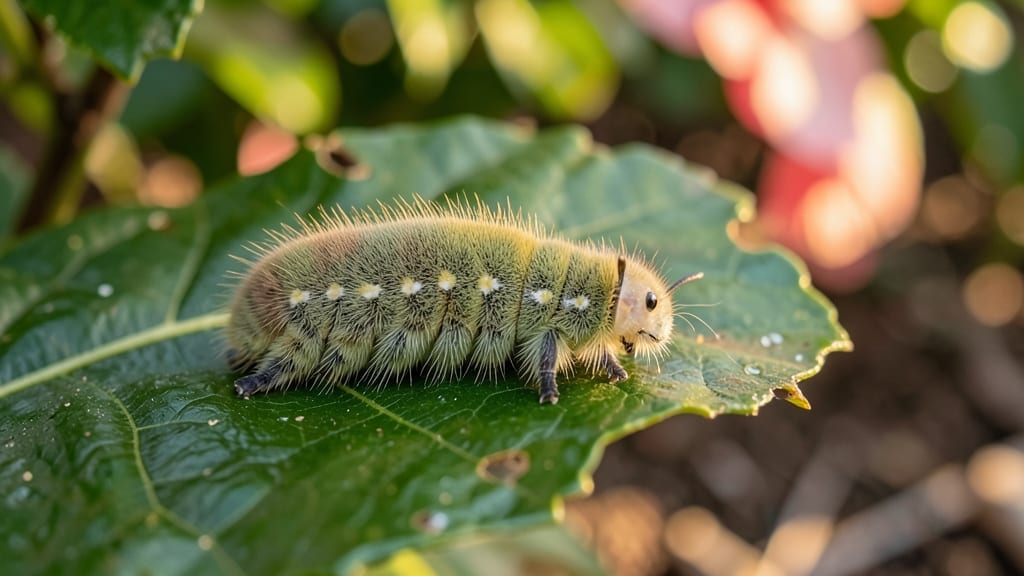
Your hibiscus leaves are turning into lace curtains—those crispy edges are the work of tiny green caterpillars that chew with reckless abandon. 🌿 I’ve battled these leaf-munching bandits before, and the good news is you can stop them without harsh chemicals.
The key is acting fast: these caterpillars grow quickly, and once they’re big enough, they’re nearly impossible to control organically.
These pests start as tiny eggs laid on the undersides of leaves, then hatch into fuzzy green caterpillars that skeletonize foliage in days. The damage looks like someone took a pair of scissors to your plants—frustrating, especially when you’ve spent all summer nurturing those lush blooms.
The worst part? They’re often missed until the damage is already done, because they hide so well.
With the right organic sprays—neem oil, insecticidal soap, or Bacillus thuringiensis—you can turn the tide in just a few days. I’ve seen hibiscus plants go from ragged to vibrant green again after one targeted treatment.
The secret is consistency: check your plants every few days, especially after rain, when these caterpillars are most active.
Prevention is easier than cleanup: introduce ladybugs or lacewings to your garden, and plant basil or marigolds nearby—they repel these pests naturally. Once you spot the first signs, you’ll know exactly what to do to save your hibiscus before the caterpillars turn your leaves into confetti.
Root Causes of Leaf Damage
When you spot crispy, jagged edges on your hibiscus leaves—or worse, entire sections chewed away—it’s often the work of a voracious caterpillar (likely a Argyresthia or Eupoecilia ambiguella species). But why do these pests target your plants in the first place?
Understanding the why behind their behavior is key to stopping them before they strip your hibiscus bare. Here’s a breakdown of the primary triggers:
Caterpillars are opportunistic feeders—they seek out weak or stressed plants because they’re easier to overpower. When hibiscus plants are overcrowded, competition for nutrients forces them to grow slowly, making their leaves softer and more palatable to hungry larvae.
- Why it happens: Stressed plants produce less tannins (natural pest-repelling compounds), while crowded roots create moist, sheltered microclimates that caterpillars love.
- Actionable fix:
- Prune overlapping branches to improve airflow.
- Space plants 3–4 feet apart to reduce humidity near leaves.
- Fertilize with balanced organic NPK (e.g., 10-10-10) to boost plant resilience.
Caterpillars thrive in messy, debris-filled gardens because fallen leaves, mulch, and dead plant matter provide hiding spots and egg-laying sites. If your hibiscus bed is cluttered, you’re essentially offering a five-star caterpillar hotel.
- Why it happens:
- Decaying organic matter attracts beneficial insects (like ladybugs) and pests (like moths that lay eggs on leaves).
- Moist mulch creates ideal humidity for egg survival.
- Actionable fix:
- Remove fallen leaves and plant debris weekly from hibiscus beds.
- Use coarse mulch (e.g., pine straw) instead of fine bark to deter egg-laying.
- Shake plants outdoors over a white sheet to spot and remove eggs (they’re tiny, yellow, and fuzzy!).
Most hibiscus caterpillars hatch from eggs laid by small, brown moths (often called "hibiscus leafrollers"). These moths are highly active in warm, humid seasons (spring and fall), and their timing aligns with hibiscus’s new leaf growth—a caterpillar’s all-you-can-eat buffet.
- Why it happens:
- Moths are drawn to fresh, tender leaves (high in water and nutrients).
- Warm nights (70°F+) trigger mating and egg-laying.
- Hibiscus flowers attract pollinators, which unintentionally spread moth eggs on leaves.
- Actionable fix:
- Install yellow sticky traps near plants to catch adult moths.
- Prune new growth aggressively in spring/fall to remove potential egg sites.
- Apply neem oil or kaolin clay as a moth repellent (reapply after rain).
Caterpillars love humidity and shade. If your hibiscus is planted in a low-light or high-moisture area (like under a tree or near a sprinkler), you’re creating the perfect caterpillar paradise. These pests avoid direct sun and dry conditions, which is why they target shaded leaves first.
- Why it happens:
- Shady leaves stay softer and juicier longer.
- High humidity slows leaf drying, making them easier to digest.
- Drip irrigation or overhead watering keeps foliage damp—a caterpillar’s dream.
- Actionable fix:
- Move hibiscus to 6+ hours of sunlight daily.
- Switch to drip irrigation (avoid wetting leaves).
- Prune nearby trees/shrubs to increase airflow.
In a healthy garden, birds, parasitic wasps, and predatory beetles keep caterpillar populations in check. But if your yard lacks diverse wildlife (or you’ve used broad-spectrum pesticides), caterpillars explode in numbers with no competition.
- Why it happens:
- Pesticides kill beneficial insects faster than pests.
- Monoculture gardens (e.g., only hibiscus) offer no habitat variety for predator species.
- Urban/suburban areas often have fewer bird species to eat caterpillars.
- Actionable fix:
- Plant native companion plants (e.g., marigolds, dill, or alyssum) to attract predators.
- Avoid neonicotinoid pesticides—opt for BT (Bacillus thuringiensis) instead.
- Install a bird feeder or bath to encourage local avian pest control.
Pro Tip: 💡 Combine these fixes for long-term prevention. For example, prune + mulch cleanup + predator-friendly plants create a multi-layered defense that caterpillars can’t bypass. Stay vigilant—early intervention is the key to saving your hibiscus!
Quick Fixes for Leaf Damage
When those pesky hibiscus leaf caterpillars start munching on your prized plants, acting fast is key. Below are targeted solutions based on the root cause of the damage—whether it’s overpopulation, poor plant health, or environmental stress—along with prevention tips to keep your hibiscus thriving.
Cause: A sudden infestation can strip leaves in days, leaving your hibiscus weak and vulnerable.
Fix:
- Handpick & Drown 👨🍳
- Wear gloves and pluck caterpillars off leaves, dropping them into soapy water.
- Check undersides of leaves and new growth—they love hiding there!
- Pro Tip: Do this early morning when caterpillars are sluggish.
- Neem Oil Spray 🌿
- Mix 1 tsp neem oil + 1 tsp mild soap + 1 quart water in a spray bottle.
- Coat both sides of leaves thoroughly—neem disrupts their feeding and growth.
- Reapply every 5–7 days until no new caterpillars appear.
- Beneficial Nematodes 🐛✨
- Buy Heterorhabditis bacteriophora (a microscopic worm) and apply to soil at dusk.
- They paralyze and kill caterpillars within 48 hours—chemical-free and effective.
Cause: Weak hibiscus plants attract more pests because they’re easier to feed on.
Fix:
- Boost Plant Health 💪
- Water deeply but less often (overwatering stresses roots).
- Fertilize with compost tea (rich in nutrients but gentle on roots).
- Prune damaged leaves to redirect energy to new growth.
- Encourage Natural Predators 🐝🐞
- Attract ladybugs, lacewings, and parasitic wasps by planting marigolds, dill, or fennel nearby.
- These eat caterpillars naturally—no sprays needed!
- Reflective Mulch Trick 🔥
- Spread aluminum foil or silver plastic mulch around the base.
- The reflection confuses caterpillars, making them less likely to land.
Cause: Late intervention leads to crispy, skeletonized leaves that won’t recover.
Fix:
- Emergency Pruning ⏰
- Cut off heavily damaged leaves (they won’t regrow well).
- Focus on new shoots—they’re less appealing to caterpillars.
- Bacillus Thuringiensis (Bt) Spray 💊
- A biological pesticide that targets caterpillars’ digestive systems.
- Mix 1 tsp Bt per gallon of water and spray at dusk (avoids harming bees).
- Works in 24–48 hours—safe for organic gardens.
- Quarantine Infested Plants 🚫
- Move affected hibiscus away from healthy plants to prevent spread.
- Check nearby plants daily for signs of new caterpillars.
- Regular Inspections 🔍 – Check leaves 2–3 times a week (early detection = easier fixes).
- Diatomaceous Earth Barrier 🏗️ – Sprinkle food-grade DE around the base (kills caterpillars on contact).
- Plant Companions 🌼 – Basil, mint, or lemongrass repel caterpillars naturally.
- Clean Up Debris 🧹 – Remove fallen leaves where caterpillars hide and pupate.
Remember: The key is consistency. A little effort now saves your hibiscus from becoming a caterpillar buffet later! 🌿💚
Frequently asked questions
What do hibiscus leaf caterpillars look like?
These caterpillars are typically green or brown with tiny white spots and fuzzy hairs along their bodies. They're usually less than 1 inch long when fully grown. Look for their telltale chewed, lace-like leaf edges—a dead giveaway!
How often should I check my hibiscus for caterpillars?
Inspect your plants 2-3 times per week, especially after rain when caterpillars are most active. Focus on new growth and leaf undersides—their favorite hiding spots. Early detection makes control much easier!
Will neem oil harm my hibiscus plants?
No, when used correctly, neem oil is safe for hibiscus. Always mix it with 1 tsp mild soap per quart to help it stick to leaves. Apply in the early morning or evening to avoid burning leaves in direct sunlight.
Can I use regular soap to kill these caterpillars?
Yes! A solution of 1 tablespoon mild liquid soap per gallon of water works well. Spray it directly on caterpillars—the soap disrupts their protective coating. Reapply after rain. For best results, combine with neem oil for extra protection.
What if my hibiscus is already heavily damaged?
Focus on emergency pruning—remove all heavily damaged leaves immediately. Then apply Bacillus thuringiensis (Bt) spray at dusk to stop further damage. While damaged leaves won't recover, new growth will emerge if you control the caterpillars quickly.