
Flowers
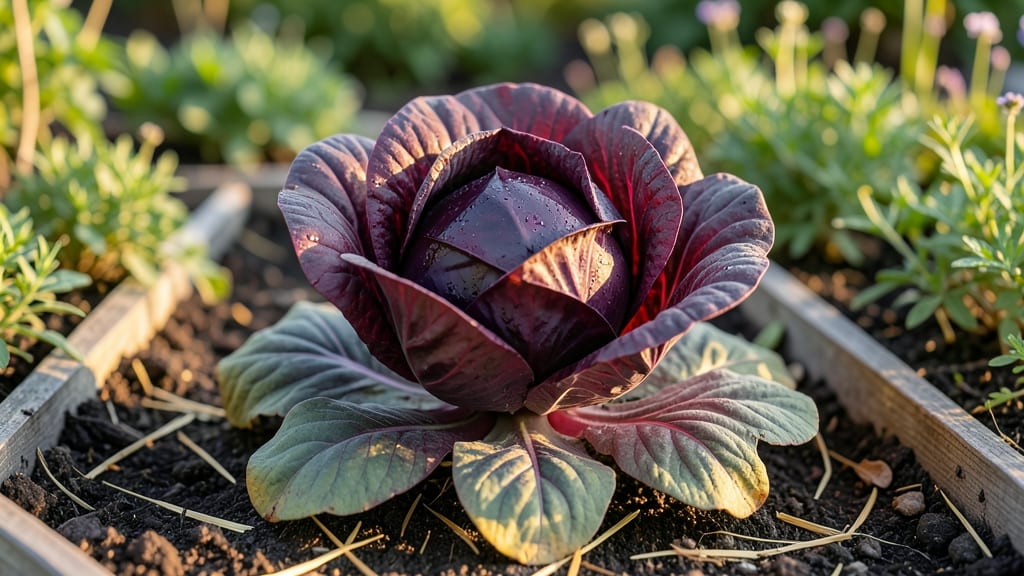
That vibrant red hue in your pot isn’t magic—it’s science. 🌿 When the green leaf that turns red when boiled, like red cabbage, beet greens, or rhubarb leaves, shifts color upon boiling, you’re witnessing anthocyanins, natural pigments reacting to heat and acidity.
This isn’t just a kitchen trick; it’s a botanical phenomenon you can grow yourself in your garden.
The secret lies in the plant’s pH-sensitive compounds. In acidic environments (like vinegar or lemon juice), these pigments shift from green to bright red. You can replicate this effect at home—simply simmer the leaves in slightly acidic water for a stunning color change.
Growing these plants is easy too; they thrive in well-drained soil with moderate sunlight.
Beyond the wow factor, these reddened leaves pack a flavor punch. Use them in salads, soups, or as a natural food coloring. To preserve the color, store cooked leaves in acidic liquids like vinegar or citrus juice. The best part? You’re not just cooking—you’re growing your own edible science experiment.
Whether you’re a gardener curious about plant behavior or a cook looking for natural colorants, this trick adds a splash of color to both your garden and kitchen. Start with red cabbage—it’s the most dramatic and easiest to grow.
The Science Behind Color Shifts
Ever wondered why that vibrant green leaf suddenly blushes a bold red when it hits boiling water? 🌿🔥 The transformation isn’t magic—it’s chemistry! Here’s what’s really happening in your pot.
When certain green leaves turn red upon boiling, the star of the show is often anthocyanins, a group of water-soluble pigments found in plants. These compounds are usually masked in green leaves by chlorophyll—the pigment responsible for that classic leafy hue.
But when heat is applied, chlorophyll breaks down faster than anthocyanins, revealing their true color.
Think of it like peeling back layers of an onion: the outer layer (chlorophyll) fades, exposing the deeper, redder pigments underneath. This is especially common in leaves like red spinach or beet greens, which naturally contain high levels of anthocyanins but appear green due to chlorophyll dominance.
Fun fact: Anthocyanins aren’t just about color—they’re powerful antioxidants linked to heart health and anti-inflammatory benefits! 💪
Chlorophyll, the pigment that gives leaves their green color, is sensitive to heat. When you boil a leaf, the high temperatures cause chlorophyll to degrade rapidly, particularly in acidic or alkaline environments (more on that below).
This degradation exposes other pigments, like carotenoids (yellow/orange) or anthocyanins (red/purple), that were previously overshadowed.
For example, in red cabbage leaves or swiss chard, boiling can turn them from green to a stunning red because the heat destabilizes chlorophyll’s structure, allowing anthocyanins to take over.
The process is irreversible—once chlorophyll is gone, the red color stays (unless you add other ingredients that alter pH, as we’ll see next).
Pro tip: If you’re cooking with leaves prone to this shift (like kale or spinach), try blanching them in slightly acidic water (a splash of lemon juice) to preserve some green while still softening the texture. 🍋
The color change isn’t just about heat—it’s also about the acidity or alkalinity (pH) of the water. Anthocyanins are pH-sensitive, meaning their color shifts dramatically depending on the environment:
| pH Level | Color Result | Example Ingredient |
|---|---|---|
| Acidic (pH < 7) | Red or Pink | Lemon juice, vinegar |
| Neutral (pH = 7) | Purple | Plain water |
| Alkaline (pH > 7) | Green or Blue-Green | Baking soda |
For instance, boiling red cabbage leaves in water with baking soda (alkaline) might turn them greenish, while adding vinegar (acidic) will deepen the red. This is why some recipes call for adjusting pH to achieve specific hues—like turning a dish from pink to purple with a pinch of salt!
Actionable tip: If you’re making a visually stunning dish (like a red leaf salad or garnish), test the pH of your cooking water with a pH strip or common household items (e.g., a splash of wine for acidity). 🎨
Not all green leaves turn red when boiled—it depends on their natural pigment profile. Here’s how different leaves react:
- Anthocyanin-rich leaves (e.g., red spinach, beet greens): Turn bold red or purple due to high anthocyanin content. Boiling enhances their color.
- Chlorophyll-heavy leaves (e.g., romaine, iceberg lettuce): May turn olive-brown or dull green as chlorophyll degrades without other pigments to compensate.
- Carotenoid-rich leaves (e.g., kale, Swiss chard): Often shift to yellow, orange, or reddish hues if anthocyanins are present but chlorophyll fades.
For example, Swiss chard leaves can go from green to vibrant red when boiled because their stems contain anthocyanins, while the leaves rely more on chlorophyll. If you’re experimenting, try boiling different leafy greens side by side to see the spectrum of colors! 🌈
Fixing The Color Change Mystery
Now that you know why your green leaf turns a stunning red when boiled—whether it’s due to anthocyanins (like in red cabbage or beets), chlorophyll breakdown (spinach, kale), or acid reactions (cooking with vinegar)—let’s tackle how to control or even enhance this magical transformation.
Below, we’ve mapped out practical fixes based on the root cause, plus prevention tips to keep your dishes vibrant and intentional.
Problem: Leaves like red cabbage or Swiss chard naturally contain anthocyanins, which shift colors based on acidity or alkalinity. Boiling them in water can trigger a dramatic red hue—sometimes too dramatic if you weren’t aiming for it!
Fix It:
- 🍳 Use Alkaline Water: If you want the red color, add a splash of baking soda (1/4 tsp per cup of water) or a pinch of sodium bicarbonate to the boiling water. This raises the pH, locking in the red pigment.
- 👨🍳 Control the Cook Time: Anthocyanins are heat-sensitive. Boil for no longer than 2–3 minutes to preserve the vibrant red. Overcooking can mute the color.
- 🥘 Pair with Acidic Ingredients: If you’re making a dish where red isn’t the goal (like a green salad), add lemon juice, vinegar, or tomatoes after cooking to neutralize the pH and keep the green.
Prevention Tip: > 💡 Pro Tip: If you’re blanching greens for salads or stir-fries, use ice water baths post-boiling to halt the color change immediately. This keeps the chlorophyll intact and prevents unwanted red tinges!
Problem: Green leaves like spinach or kale contain chlorophyll, which degrades when exposed to heat and acid. The red tones you see are often anthocyanins or betalains hiding beneath the green—revealed when chlorophyll fades.
Fix It:
- ⏰ Quick Cooking Wins: To minimize chlorophyll loss, blanch greens for 30–60 seconds max, then shock them in ice water. This preserves some green while still softening the texture.
- 🔪 Chop Before Cooking: Smaller pieces cook faster, reducing the time chlorophyll has to break down. Plus, they absorb flavors better!
- 🎯 Avoid Acidic Liquids: If you’re sautéing or steaming, skip vinegar or citrus until after cooking. Use neutral oils (olive, avocado) or water instead.
Prevention Tip: > ✨ Bright Idea: For raw dishes (like salads), store greens in airtight containers with a damp paper towel to slow chlorophyll degradation. Light exposure also speeds up color loss—keep them in the fridge!
Problem: Adding vinegar, lemon juice, or tomatoes to boiling water can turn greens red or pink due to pH changes or reaction with natural pigments.
Fix It:
- 🔥 Add Acid After Cooking: If you’re making a dish like red cabbage slaw or a tomato-based pasta, toss in acidic ingredients only at the end. This prevents the greens from reacting prematurely.
- 🍳 Use a Weak Acid: If you must cook with acid, opt for low-acid vinegars (rice vinegar) or diluted lemon juice (1 tbsp per cup of liquid) to soften the effect.
- 🥗 Balance with Baking Soda: For dishes where acid is key (like braised greens), add a pinch of baking soda to the cooking liquid to counteract the pH shift.
Prevention Tip: > 🌡️ Heat Hack: If you’re steaming instead of boiling, the greens retain more color since steam is gentler. Plus, you can add acid during the last 2 minutes of cooking for flavor without drastic color changes.
| Goal | Do This | Avoid This |
|---|---|---|
| Keep greens green | Use ice water baths, short cook times | Boiling in acidic liquids |
| Enhance red hues | Add baking soda, cook in alkaline water | Overcooking or high heat |
| Neutralize unwanted red | Add lemon/vinegar after cooking | Adding acid to boiling water |
| Preserve nutrients | Steam or blanch, eat raw when possible | Long, high-heat boiling |
Final Thought: The red transformation isn’t a mistake—it’s culinary science in action! Whether you’re aiming for a bold red dish or want to preserve the green, these fixes give you control.
Next time you boil those leaves, you’ll know exactly how to steer the color where you want it.
Ready to experiment? Try cooking the same green leaf three ways—with baking soda, vinegar, and plain water—and compare the results! 🎨🍽️
Frequently asked questions
Which green leaves turn red when boiled?
Leaves rich in anthocyanins like red cabbage, beet greens, Swiss chard, and rhubarb leaves will turn red when boiled. Even some varieties of spinach and kale contain hidden anthocyanins that reveal their red hues when chlorophyll breaks down.
Can I make green leaves stay green when cooking?
Yes! Use ice water baths after cooking to halt chlorophyll breakdown. For sautéing, avoid acidic ingredients until the end, and cook for 30-60 seconds max to preserve green color. Store raw greens in airtight containers to slow natural degradation too.
Why does my red cabbage turn purple instead of red?
That happens when the water is neutral (pH 7). To get bright red, add vinegar or lemon juice (acidic pH < 7). For purple, use plain water. For greenish hues, add baking soda (alkaline pH > 7). The pH level controls the final color!
Are reddened leaves safe to eat?
The color change comes from natural pigments like anthocyanins, which are safe and often beneficial. In fact, these pigments are antioxidants. Just avoid leaves from unknown plants—stick to garden-grown or store-bought varieties you recognize.
How can I use reddened leaves in cooking?
Try them in salads, soups, or as natural food coloring! Red cabbage makes stunning pink sauces or colorful rice dishes. For a visual effect, blend beet greens into smoothies—they’ll turn pink! Store cooked red leaves in acidic liquids (like vinegar) to preserve the color.