
Pruning
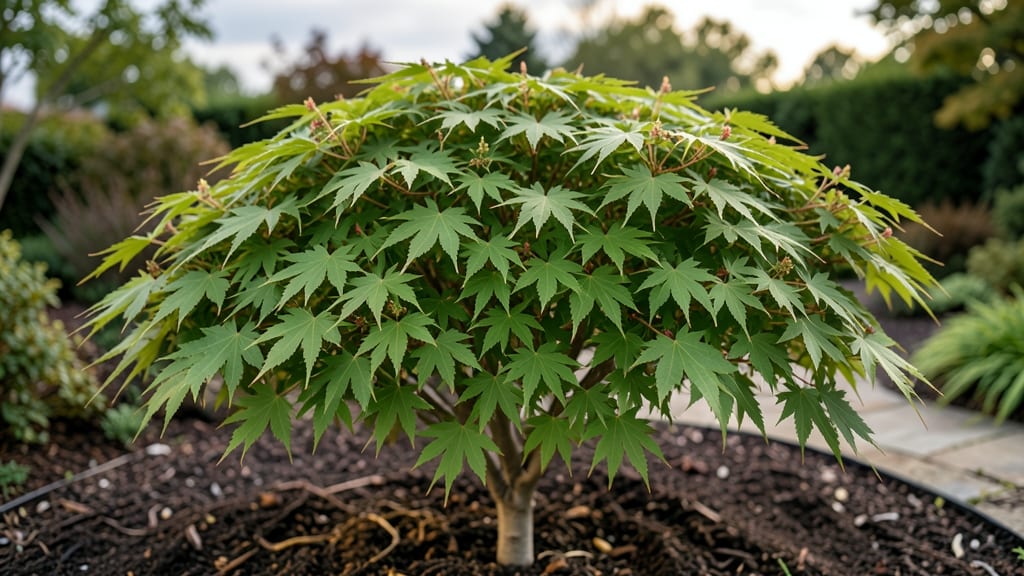
A green leaf maple tree (Acer palmatum) transforms any garden into a living painting—its delicate, lacy foliage dances through seasons with barely a lift of the pruners. 🌿 I planted mine near the patio last spring, and the way it filters morning light into golden patterns on the stones has become my favorite quiet moment of the day.
This isn’t just another shade tree—it’s a textural masterpiece that works as a focal point or a subtle backdrop. The vibrant green leaves (that never fully turn autumn colors) contrast beautifully with dark evergreens like boxwood or the soft silver of lamb’s ear.
Place it where you want to draw the eye, whether that’s anchoring a corner or framing a view.
What makes it truly special is how it softens hard lines in modern landscapes. Its graceful, rounded form pairs perfectly with clean-edged hardscapes, while its fine branches add movement to formal gardens. Even in winter, the peeling bark adds subtle texture—no dead branches, no messy pruning.
For best results, group it with plants that appreciate dappled shade—hostas, ferns, or even dwarf conifers. The key is letting it grow naturally; minimal pruning keeps its natural elegance intact. Your garden will feel like a curated gallery, not just a yard.
📚 In This Guide
- What you need
- Instructions
- Tips and common mistakes
- Wrapping up and next steps
What you need
- ● Pruning shears: Bypass pruners (sharp, 6–8" blades) for small branches (1 pair)
- ● Loppers: Heavy-duty (20–24" handles) for thicker branches (1 pair)
- ● Pruning saw: Curved-tooth saw for branches >1" in diameter (1)
- ● Extension pole: 6–10 ft telescoping pole with pruner attachment (1)
- ● Gloves: Heavy-duty, cut-resistant gloves (1 pair)
- ● Disinfectant: 70% isopropyl alcohol or pruning sealant (small bottle)
- ● Trash bags: Heavy-duty for debris (2–3)
- ○ Ladder: Sturdy, extendable ladder (if tree is >8 ft tall) (1, optional)
- ● Hand pruners: Compact for fine-tuning (1 pair)
- ● Tree wound dressing: For large cuts (controversial but useful for some) (1 tube)
- ● Work apron: With pockets for tools (1)
- ● Safety glasses: To protect from debris (1 pair)
- ● Notebook: For tracking pruning notes (1)
How to plant and care for a green leaf maple tree
This stunning tree thrives with just a few key steps—let's get it growing strong.
🪴 Step 1: Choose the Perfect Planting Spot
Green leaf maples need full sun to partial shade—at least 4-6 hours of direct sunlight daily. I always pick a location with morning sun and afternoon shade to prevent leaf scorch, especially in hot climates. The soil should drain well but retain moisture, so avoid low spots where water pools.
Dig a hole twice as wide as the root ball but only as deep. This encourages roots to spread outward rather than sinking deeper. Loosen the sides of the hole with your shovel to help roots establish faster. If your soil is heavy clay, mix in a few inches of compost to improve drainage.
🌱 Step 2: Plant with Care to Encourage Strong Growth
Place the tree in the hole so the top of the root ball sits 1-2 inches above ground level. This prevents water from pooling around the trunk. Backfill with native soil, tamping gently every few inches to remove air pockets. Water deeply immediately after planting to settle the soil around the roots.
I like to create a slight mound of soil around the base to help direct water toward the roots. Mulch with 2-3 inches of organic mulch (like shredded bark) and keep it 6 inches away from the trunk to prevent rot. Water 2-3 times per week for the first month to help roots establish.
☀️ Step 3: Provide Light and Water Consistently
Green leaf maples tolerate a range of light conditions but truly shine with 6+ hours of sunlight daily. If your tree starts looking leggy or sparse, it needs more light. Young trees need 1 inch of water per week, while mature trees can handle 1-2 inches weekly, depending on rainfall.
Water deeply but infrequently—this encourages deep root growth. You'll know it's time to water when the top 2 inches of soil feel dry. Avoid wetting the leaves to prevent fungal diseases. In winter, reduce watering but don't let the soil dry out completely.
✂️ Step 4: Prune Minimally for Healthy Growth
Green leaf maples are low-maintenance, but you can shape them lightly in late winter or early spring before new growth begins. Remove any dead, diseased, or crossing branches first. Then, trim back any branches that spoil the natural shape—just a few cuts keeps it looking stunning.
Never remove more than 25% of the canopy at once, as this stresses the tree. Use clean, sharp pruners to make cuts just outside the branch collar. I avoid heavy pruning in fall, as new growth won't harden off before winter.
🌿 Step 5: Monitor and Protect Through Seasons
Keep an eye out for pests like aphids or spider mites, which can stress young trees. A strong spray of water usually knocks them off, but severe infestations may need insecticidal soap. In winter, protect young trees from harsh winds by wrapping the trunk with burlap if needed.
Fertilize lightly in early spring with a balanced, slow-release fertilizer. Over-fertilizing can burn roots, so follow package instructions carefully. With proper care, your green leaf maple will reward you with vibrant foliage year-round.
Tips & tricks for perfect green leaf maple tree planting
These little details make all the difference between a struggling sapling and a thriving shade tree.
Sunlight Strategy: While the instructions call for 4-6 hours of sunlight, I’ve found that morning sun with afternoon shade is ideal for your green leaf maple. If your yard gets intense afternoon heat, consider planting on the east side of your home or near a structure that provides natural shade during peak sun hours. This balance prevents leaf scorch while still giving your tree the light it needs to develop vibrant foliage.
Soil Prep Secret: In Step 1, when digging the hole, resist the urge to add too much compost if your soil is already well-draining. Instead, focus on loosening the sides of the hole and creating a slightly raised mound around the base. This helps direct water toward the roots while preventing root rot—a common issue with heavy clay soils. Think of it as creating a natural funnel for moisture.
Watering Wisdom: The instructions recommend watering 2-3 times per week for the first month, but I’ve learned to adjust based on rainfall. After planting, check the soil moisture every 2-3 days by sticking your finger about 2 inches deep. If it feels dry, that’s your cue to water deeply. Young trees need consistent moisture, but overwatering can be just as harmful as underwatering—aim for that Goldilocks zone of "just right."
Pruning Precision: When it comes to shaping your tree in Step 4, focus on removing only what’s necessary. I’ve made the mistake of pruning too aggressively in early spring, only to see new growth struggle to harden off before winter. Instead, stick to removing dead, diseased, or crossing branches first, then make just a few strategic cuts to maintain the tree’s natural shape. Remember, the goal is to encourage healthy growth, not to turn your tree into a topiary masterpiece.
Pro Tips for Green Leaf Maple Tree
- These little details make all the difference between a struggling sapling and a thriving shade tree.
- Sunlight Strategy: While the instructions call for 4-6 hours of sunlight, I’ve found that morning sun with afternoon shade is ideal for your green leaf maple.
- Soil Prep Secret: In Step 1, when digging the hole, resist the urge to add too much compost if your soil is already well-draining.
Frequently asked questions
Got questions about keeping your green leaf maple tree thriving with minimal pruning? We’ve got answers!
Whether you’re a newbie or a seasoned gardener, these FAQs cover the basics—and a few surprises—to help you master this stunning, low-maintenance tree.
How often should I prune a green leaf maple tree?
Aim for one light pruning session per year, ideally in late winter or early spring (before new growth starts). This keeps the tree healthy while preserving its dramatic foliage. Skip heavy pruning—these trees handle it poorly! Focus on removing dead, diseased, or crossing branches to maintain shape.
Can green leaf maples handle cold winters?
These trees are hardy in USDA zones 5-9, making them perfect for most U.S. climates. Their dense foliage also acts as natural insulation for roots, reducing winter damage. Just avoid pruning in late fall—wait until dormancy ends in spring to prevent stress.
What’s the best way to revive a leggy or sparse green leaf maple?
Leggy growth usually means too much shade or poor nutrition. Start by thinning the canopy to improve airflow and sunlight penetration. Fertilize with a balanced, slow-release formula in early spring, and water deeply once a week during dry spells. Avoid overwatering—these trees hate soggy roots!
Should I remove seed pods from my green leaf maple?
Not necessarily! While seed pods can look messy, they’re harmless and provide winter interest. If you prefer a cleaner look, prune them off in early spring before they mature. Just wear gloves—they can be sticky! Native birds and wildlife also rely on them, so consider leaving a few if you’re eco-conscious.
How close can I plant a green leaf maple to my house or driveway?
Give it space to breathe—plant at least 15-20 feet away from structures to avoid root conflicts with foundations or sidewalks. Their shallow roots can lift pavement over time, so avoid planting near driveways unless you’re okay with occasional adjustments. For small yards, opt for the ‘Ember’ cultivar, which stays compact.
Pro Tip:
Use sterilized pruning tools (rubbing alcohol or bleach) to prevent disease spread. And if you’re unsure about a cut, wait and observe—green leaf maples are forgiving but slow to recover from aggressive pruning!
Wrapping up and next steps
The green leaf maple tree is a standout choice for year-round beauty with its stunning foliage and low-maintenance care. Whether you're a seasoned gardener or just starting, its minimal pruning needs make it a dream addition to any landscape.
Embrace the drama of its vibrant leaves and enjoy the easy upkeep!
Ready to add some green magic to your yard? Start by planting one today—or share this guide with fellow plant lovers to inspire their next outdoor project! 🌿✨