
Shrubs
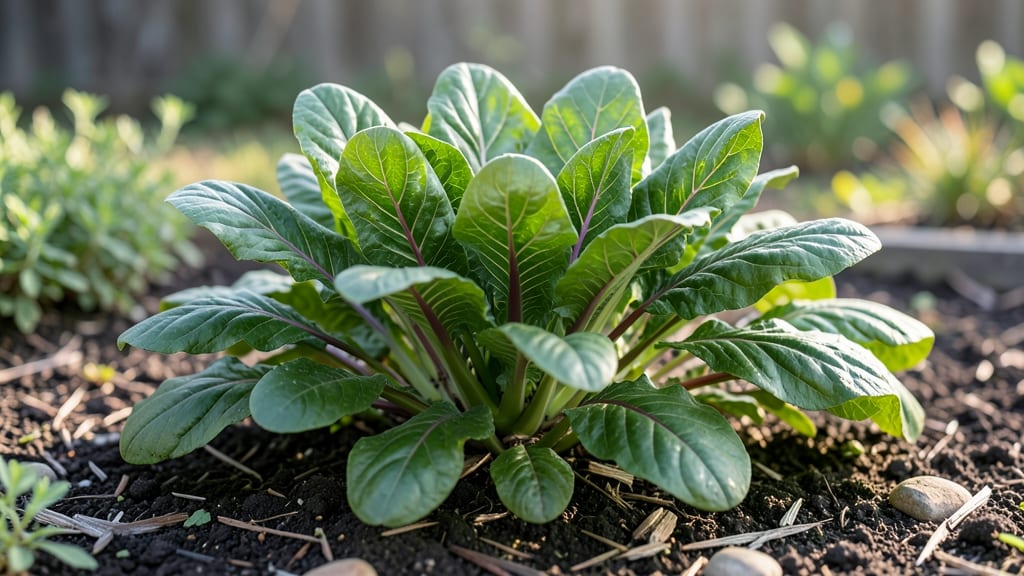
Growing Florida broadleaf mustard greens means fresh, peppery greens straight from your yard—even when your neighbors are still shivering. 🌱 These heat-loving greens thrive in Florida’s long growing season, giving you harvests from fall through spring without bolting like other cool-season crops.
The secret is matching their love of sun and well-draining soil to Florida’s climate, where humidity and pests can turn a promising crop into a struggle if you’re not careful.
You’ll need full sun (6+ hours daily), loose soil with compost mixed in, and consistent moisture—but not soggy soil. Start seeds in late summer or buy transplants in fall, spacing them 6-12 inches apart.
Florida’s heat actually helps them grow faster than northern mustards, but watch for flea beetles and cabbage worms, which love these greens as much as you do. A row cover or organic spray keeps them at bay without chemicals.
Within 3-4 weeks, you’ll be harvesting young leaves for salads or letting them mature for stir-fries. The peppery flavor mellows as they grow, and you can cut-and-come-again for months—no need to replant every few weeks like lettuce.
Just keep the soil moist and watch for aphids hiding under the broad leaves. A strong spray of water usually chases them off.
Perfect for Florida gardeners tired of bolting greens or store-bought salad mixes. These grow like weeds once established, and they handle our humidity better than most. Try them in containers on your patio or in raised beds for cleaner harvests. Here’s how to keep them thriving all season.
📚 In This Guide
- What you need
- Instructions
- Tips and common mistakes
- Wrapping up and next steps
What you need
- ● Seeds: 1 packet of Florida broadleaf mustard seeds (about 1,000–1,500 seeds per packet). Look for Brassica juncea varieties labeled for warm climates.
- ● Soil: 5–10 gallons of well-draining, fertile soil (pH 6.0–7.0). A mix of garden soil and compost (3:1 ratio) works well.
- ● Container or Garden Space: For containers: 5–10 gallon pots (1–2 plants per pot) with drainage holes.
- ● For in-ground planting: A sunny spot (6+ hours of sunlight daily) with loose, well-amended soil.
- ● Water: Access to a water source (drip irrigation or a watering can with a fine rose attachment).
- ● Fertilizer: Balanced organic fertilizer (10-10-10 or 5-5-5) or compost tea for nutrient boosts.
- ● Required: Garden trowel or transplanting spade.
- ● Gloves (to protect hands from thorns or soil).
- ● Pruners or scissors (for harvesting).
- ○ Optional (but helpful): Soil pH test kit (to ensure optimal growing conditions).
- ● Mulch (straw or shredded leaves) to retain moisture.
- ● Row cover or shade cloth (for young seedlings in hot Florida sun).
- ● Trellis or stakes (if growing taller varieties).
- ● Warm weather (ideal temps: 70–85°F for germination; tolerates light frosts).
- ● Patience! Mustard greens grow quickly (30–60 days to harvest).
- ● Consistent moisture (avoid waterlogging—these greens hate soggy roots!).
Step-by-Step instructions for growing Florida broadleaf mustard greens
Here’s how to grow bold, peppery greens that thrive in Florida’s heat and humidity.
🌱 Step 1: Choose the Right Planting Time and Location
Florida’s long growing season means you can plant broadleaf mustard greens year-round, but timing matters. Start seeds 8-10 weeks before your first expected frost—though in most of Florida, you can direct-sow anytime. For the best flavor and heat tolerance, plant in fall or early spring when temperatures hover between 60-75°F.
Pick a spot with full sun (6+ hours daily), but provide afternoon shade in peak summer to prevent bolting. Mustard greens tolerate partial shade but grow slower and milder. Amend the soil with 2-3 inches of compost before planting to improve drainage—Florida’s heavy clay can suffocate roots if too compacted.
🌿 Step 2: Sow Seeds Directly or Start Transplants
Direct-sowing is easiest for mustard greens—they dislike transplant shock. Scatter seeds ½ inch deep and 1 inch apart in rows spaced 12-18 inches apart. Thin seedlings to 6 inches apart once they have 2-3 true leaves—this prevents overcrowding and bolting. If starting transplants, harden them off for 5-7 days before moving to the garden.
Water gently after sowing to settle seeds into the soil, but avoid washing them away. Mustard seeds germinate best in 65-75°F soil, so in cooler months, use a black plastic mulch to warm the soil and speed up sprouting. You’ll see first true leaves in 7-10 days.
☀️ Step 3: Maintain Consistent Moisture and Fertility
Keep soil evenly moist but not soggy—mustard greens wilt quickly in dry conditions. Water 1-2 inches per week, more in extreme heat. Drip irrigation or soaker hoses work best, delivering water at the base and keeping leaves dry to prevent fungal diseases like downy mildew. Mulch with straw or grass clippings to retain moisture and suppress weeds.
Feed plants with a balanced organic fertilizer (10-10-10) every 4-6 weeks to encourage leafy growth. Mustard greens are heavy feeders, so don’t skimp—yellowing leaves often signal a need for nitrogen. Side-dress with compost mid-season for a nutrient boost.
✂️ Step 4: Harvest for Peak Flavor and Prevent Bolting
Harvest outer leaves when plants reach 6-8 inches tall, leaving the inner growth to keep producing. Use clean scissors or your fingers to snip leaves at the base. For baby greens, harvest entire plants when they’re 3-4 inches tall—they’ll be sweeter and more tender. Regular harvesting encourages bushier regrowth.
Watch for bolting (premature flowering) in heat or long days. If plants send up tall stems, harvest immediately and remove the entire plant to redirect energy into new growth. In Florida’s heat, succession planting every 2-3 weeks ensures a continuous harvest before bolting sets in.
🌿 Step 5: Manage Pests and Diseases Proactively
Mustard greens attract aphids, flea beetles, and cabbage worms. Handpick larger pests or spray with neem oil or insecticidal soap at the first sign of damage. For flea beetles, cover young seedlings with floating row covers until established. Rotate crops annually to break pest cycles—don’t plant mustard greens in the same spot two years in a row.
Prevent fungal diseases by ensuring good airflow and avoiding overhead watering. If you spot downy mildew (gray fuzz on leaves), remove infected foliage immediately and treat with copper fungicide. In humid Florida summers, water in the early morning so leaves dry quickly.
Tips & tricks for growing Florida broadleaf mustard greens
These practical strategies will help you grow vibrant, peppery greens that thrive in Florida's unique climate.
Soil Prep Secret: Before planting, mix a handful of Epsom salt into the soil at the bottom of your planting holes. This boosts magnesium levels and prevents yellowing leaves—a common issue in Florida's sandy soils. The 2-3 inches of compost mentioned in Step 1 is essential, but adding a thin layer of sand (about 1 inch) can improve drainage in heavy clay areas without suffocating roots.
Heat Management: When temperatures climb above 80°F, provide afternoon shade using shade cloth (30-50% coverage) to prevent bolting. I've found that a simple DIY solution—using old window screens stretched over hoops—works perfectly. This mimics the natural shade trees provide and keeps your greens tender longer. Remember, the 60-75°F range in Step 1 is ideal for optimal growth.
Thinning Technique: When thinning seedlings to 6 inches apart in Step 2, use clean scissors to snip at soil level rather than pulling. This prevents disturbing nearby plants and reduces transplant shock. The thinned seedlings make excellent microgreens—harvest them when they're 2-3 inches tall for a peppery garnish. This two-for-one approach maximizes your harvest while maintaining plant health.
Fertilizer Timing: For the 10-10-10 fertilizer application in Step 3, I recommend splitting the dose into two applications: half at planting and half when plants reach 4-6 inches tall. This prevents over-fertilization, which can cause rapid bolting. Always water thoroughly after fertilizing to prevent root burn, especially in Florida's intense sun.
Pro Tips for Florida Broadleaf Mustard Greens
- These practical strategies will help you grow vibrant, peppery greens that thrive in Florida's unique climate.
- Soil Prep Secret: Before planting, mix a handful of Epsom salt into the soil at the bottom of your planting holes.
- Heat Management: When temperatures climb above 80°F, provide afternoon shade using shade cloth (30-50% coverage) to prevent bolting.
Frequently asked questions
Got questions about growing Florida broadleaf mustard greens? You’re not alone!
Here are answers to the most common queries to help you cultivate these hardy, flavorful greens like a pro.
When is the best time to plant Florida broadleaf mustard greens in Florida?
These greens thrive in Florida’s mild winters and are frost-tolerant, making them perfect for year-round planting. For best results, sow seeds in early fall (September-October) or late winter (February-March) to avoid extreme heat. They’ll bolt faster in summer, so opt for partial shade during peak temperatures.
How long does it take for Florida broadleaf mustard greens to mature?
From seed to harvest, expect 30–50 days for baby greens or 45–60 days for full-sized leaves. For continuous harvests, succession plant every 2–3 weeks. Watch for 4–6 inch tall plants—they’re ready when leaves are tender and vibrant!
Can I substitute Florida broadleaf mustard greens for collard greens in recipes?
They’re milder and slightly sweeter than collards, making them a great swap in soups, sautés, or stir-fries. Use a 1:1 ratio when cooking, but note they’ll wilt faster due to their thinner leaves. Try them in mustard greens with bacon or as a raw salad base with citrus.
Why are my Florida broadleaf mustard greens turning yellow or wilted?
Yellowing often signals overwatering or nutrient deficiency (like nitrogen). Wilting can mean underwatering or heat stress. Check soil moisture—greens prefer consistently moist (not soggy) soil. For heat stress, mulch with straw or provide afternoon shade in summer.
Are Florida broadleaf mustard greens perennial, or do I need to replant yearly?
While they’re biennial (living 2 years in cooler climates), Florida’s heat usually exhausts them after one growing season. For continuous harvests, replant every 6–9 months. Save seeds from healthy plants for next season—they’re easy to self-seed in mild winters!
Wrapping up and next steps
Growing Florida Broadleaf Mustard Greens is a rewarding way to enjoy fresh, nutritious greens year-round—whether you're a seasoned gardener or just starting out! 🌱 Their hardiness, quick growth, and adaptability make them a perfect addition to any sun-loving garden.
With the right soil, spacing, and care, you’ll soon be harvesting vibrant, flavorful leaves that add a peppery kick to your meals.
Ready to dive in? Start by prepping your soil—amend it with compost for optimal growth—and plant your seeds or transplants this week. Before you know it, you’ll be feasting on homegrown greens that taste even better than store-bought! 💚