
Pruning
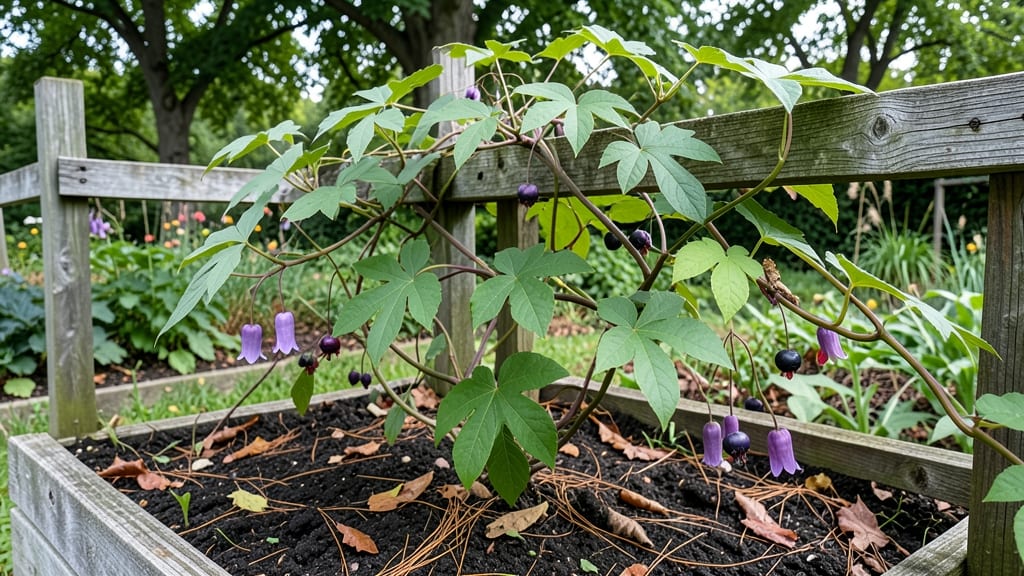
Growing five-leaf akebia fruit means waking up to fragrant, grape-like clusters that appear even in winter. 🌿 This hardy vine thrives in zones 5-9, producing edible (though tart) fruit that's a unique treat—if you know how to coax it into bearing.
My first harvest came after just two years of patient pruning, and now I get fruit from late fall through spring.
The secret to year-round harvests lies in aggressive pruning—cutting back old wood in early spring encourages new growth where the fruit forms. Akebia loves well-draining soil and partial shade, making it perfect for trellises or fences in shadier spots.
It's tough enough to handle neglect but rewards careful pruning with lush, evergreen foliage and those unexpected fruit bursts.
By summer, you'll see vigorous new shoots climbing your structure, and by fall, the first fruit clusters will appear. The fruit ripens in stages, so you'll have harvests every few weeks.
Just be patient—the vines take a couple years to establish, but once they do, they're nearly maintenance-free beyond annual pruning.
Watch for powdery mildew in humid climates and protect young vines from deer. With the right pruning timing, you'll turn this vine into a living fruit factory that keeps producing long after most gardens have gone quiet. Here's how to get started!
📚 In This Guide
- What you need
- Instructions
- Tips and common mistakes
- Wrapping up and next steps
What you need
- ● Five-leaf akebia vine (Akebia quinata): 1-2 healthy nursery-grown plants (bare-root or potted)
- ● Ensure they’re disease-free and have at least 2-3 mature canes
- ● Support structure: Trellis, arbor, or sturdy fence (8-10 ft tall for optimal climbing)
- ● Garden twine or soft ties (50 ft roll, ¼-inch width)
- ● Soil amendments: Compost (5-10 gallons, well-aged)
- ● Organic mulch (straw or wood chips, 2-3 inches thick)
- ● Pruning tools: Bypass pruners (sharp, for clean cuts)
- ● Loppers (for thicker canes, 20-inch reach)
- ● Hand saw (for stubborn branches, 10-inch blade)
- ● Safety gear: Gloves (gardening or heavy-duty)
- ○ Pruning sealant (optional, for large cuts)
- ○ Optional (but helpful!): Soil pH test kit (ideal range: 6.0-7.0)
- ● Slow-release fertilizer (balanced 10-10-10 or organic options)
- ● Plant markers (to track varieties if testing multiple strains)
- ● A sunny location with at least 6 hours of direct sunlight daily.
- ● Well-draining soil (akebia hates soggy roots!). Amend clay soil with sand or perlite if needed.
- ● Patience! Akebia vines take 2-3 years to bear fruit but reward you with year-round harvests once established.
- ● Local climate check: Akebia thrives in USDA Zones 5-9 (adjust care for colder/hotter regions).
Step-by-step guide to pruning five-leaf akebia for maximum fruit
Here’s how I train this vigorous vine to produce sweet, grape-like fruit year after year—without letting it take over your yard.
🌱 Step 1: Identify the Right Branches to Keep
Five-leaf akebia (Akebia quinata) fruits form on new growth from the previous year, so pruning at the wrong time can cut off your harvest. Look for healthy, woody stems that are at least ½ inch thick—these are your fruit-bearing branches. Thin out weak, crossing, or diseased stems first, cutting them back to the base. I always prune in late winter or early spring before buds swell, which gives the plant energy to focus on fruit production.
Don’t worry about removing every thin stem—this vine is resilient. Focus on creating an open center so light and air reach the inner branches. You’ll see the best fruit clusters on south- or west-facing shoots where sunlight is strongest. If your vine is young, hold off on heavy pruning until it’s at least 3-4 years old—patience here pays off with bigger harvests later.
✂️ Step 2: Prune for Structure and Airflow
Use clean, sharp pruners to make cuts at a 45-degree angle, about ¼ inch above a bud or lateral branch. This encourages outward growth rather than inward crowding. Start by removing dead or damaged wood—it’s easy to spot because it’s brown, brittle, or lacks leaves. Next, cut back any branches growing straight up (called "water sprouts") since they rarely fruit and compete with horizontal growth.
For established vines, I aim to keep 4-6 main branches radiating outward. If your vine climbs a trellis or arbor, prune to encourage horizontal branches—these produce the most fruit. You’ll know you’ve done it right when the center of the vine opens up, letting sunlight reach all the way to the core. This isn’t just about aesthetics; better airflow reduces fungal diseases like powdery mildew, which can rot fruit before it ripens.
☀️ Step 3: Summer Light Pruning for Fruit Retention
After the initial spring prune, monitor your vine throughout summer. If you notice overly dense growth or branches rubbing together, do a light prune in July to improve airflow. Remove any suckers (shoots growing from the base) immediately—they drain energy from fruit production. I also trim back any shoots that grow too aggressively toward the center, as these will shade and weaken the main fruit-bearing branches.
This is also the time to tie in new growth if your vine climbs. Use soft garden twine to guide vigorous shoots along the trellis in a spiral pattern—this prevents breakage and ensures even fruit distribution. Watch for fruit clusters forming; if they’re crowded, thin them to 3-4 berries per stem for larger, sweeter harvests. You’ll see the best results when clusters are spaced 6-8 inches apart along the branch.
⏰ Step 4: Winter Maintenance for Next Year’s Crop
In late fall or early winter, do a final prune to remove any dead or weak wood that appeared over the season. This is also when I reduce the height of the vine by 20-30% if it’s gotten too tall. Cutting back the tips stimulates basal buds to produce new, fruiting branches in spring. I never prune below the first set of buds—these are your plant’s energy reserves for next year.
After pruning, apply a 2-3 inch layer of mulch around the base to protect roots from freezing temperatures. Five-leaf akebia is hardy, but young plants benefit from this extra insulation. If your vine is in a container, move it to a sheltered spot or wrap the pot in burlap for winter. You’ll know your pruning worked when you see plump buds in early spring—each one holds the potential for another harvest.
Tips & tricks for pruning five-leaf akebia for abundant fruit
Here's what nobody tells you about shaping this vine for the best harvests—lessons I learned after years of trial and error.
Timing is Everything: Late winter or early spring is your golden window for pruning, right before buds swell. This timing ensures the plant has maximum energy to focus on fruit production instead of new growth. I've seen vines that were pruned too late produce half the fruit because they spent energy on leaves instead of berries. If you miss this window, wait until summer for a light trim, but don't expect the same harvest potential.
The 45-Degree Angle Secret: When you make those cuts at a 45-degree angle about ¼ inch above a bud, you're not just being precise—you're encouraging outward growth. This angle prevents water from pooling on the cut, which can lead to rot. I always test my pruners first to make sure they're sharp enough to make clean cuts. Dull blades crush stems and invite disease. For best results, sterilize your pruners with rubbing alcohol between cuts on different plants.
Branch Count Matters: Aim for 4-6 main branches radiating outward from your vine's center. This isn't arbitrary—it creates the perfect balance between fruit production and plant health. Too few branches mean less fruit, while too many create a crowded mess that blocks sunlight. I've found that south or west-facing branches produce the most fruit because they get the most sunlight. If you're unsure which branches to keep, look for the thickest, healthiest stems—they're your future fruit producers.
Summer Maintenance Pays Off: That light July prune might seem insignificant, but it's crucial for improving airflow and preventing fungal diseases like powdery mildew. I've seen entire fruit crops ruined by mildew because the center of the vine stayed too damp. When you're tying in new growth, use soft garden twine and create a spiral pattern—this prevents breakage and helps distribute nutrients evenly. And remember to thin those fruit clusters to 3-4 berries per stem; crowded clusters lead to smaller, less flavorful fruit.
Pro Tips for Five Leaf Akebia Fruit
- Here's what nobody tells you about shaping this vine for the best harvests—lessons I learned after years of trial and error.
- Timing is Everything: Late winter or early spring is your golden window for pruning, right before buds swell.
- The 45-Degree Angle Secret: When you make those cuts at a 45-degree angle about ¼ inch above a bud, you're not just being precise—you're encouraging outward growth.
Frequently asked questions
Got questions about growing and harvesting five-leaf akebia fruit?
You’re not alone! Here are some of the most common queries—plus straightforward answers to help you master this vibrant vine and its delicious harvest.
When is the best time to plant five-leaf akebia?
The ideal time to plant five-leaf akebia (Akebia quinata) is in early spring after the last frost, when soil temperatures are consistently above 50°F (10°C). This gives roots ample time to establish before winter. For warmer climates, fall planting (3-4 weeks before the first frost) also works well.
How long does it take for five-leaf akebia to bear fruit?
With patience and proper care, expect fruit in 3-5 years for container-grown plants and 2-4 years for those in the ground. Young vines focus on root and vine growth first—so prune aggressively in early years to encourage fruiting wood. Pro tip: Use a balanced fertilizer (10-10-10) in spring to speed up maturity.
How do I prune five-leaf akebia to maximize fruit production?
Prune in late winter or early spring (before buds swell) to remove:
- Dead or diseased wood (cut to healthy tissue).
- Overcrowded canes (keep 3-5 strongest stems).
- Suckers at the base (redirect energy to fruiting branches).
Are there any alternatives to five-leaf akebia for similar fruit?
If you love akebia’s tropical vibe but want alternatives, try:
- Hardy kiwi (Actinidia arguta) – Cold-hardy, edible fruit, and easier to train.
- Passionflower (Passiflora edulis) – Gorgeous flowers and fruit, but needs winter protection.
- Grape (Vitis vinifera) – Fast-growing, fruiting, and great for trellises.
Why isn’t my five-leaf akebia producing fruit?
Common culprits include:
- Insufficient sunlight (needs 6+ hours of sun daily).
- Lack of male plants (akebia is dioecious—you need both male and female vines for fruit!).
- Over-fertilizing with nitrogen (leads to leafy growth, not fruit). Switch to a low-N, high-P fertilizer (e.g., 5-10-10).
- Young age (as mentioned, it takes time!).
Wrapping up and next steps
Growing five-leaf akebia fruit is a rewarding journey that blends patience with nature’s generosity—just think of the year-round harvests and lush vines you’ll soon enjoy! 🌿 With the right pruning techniques, you’ll encourage healthier growth, bigger yields, and those coveted purple-black berries that taste like a mix of grapes and bananas.
Now that you’re armed with the materials, timing tips, and FAQs, it’s time to roll up your sleeves and give your akebia the care it deserves.
Start small: prune one section at a time, observe how your vine responds, and adjust as you go. Before you know it, you’ll be savoring homegrown fruit while your neighbors ask for tips—what a sweet success! 🍇✨