
Planting
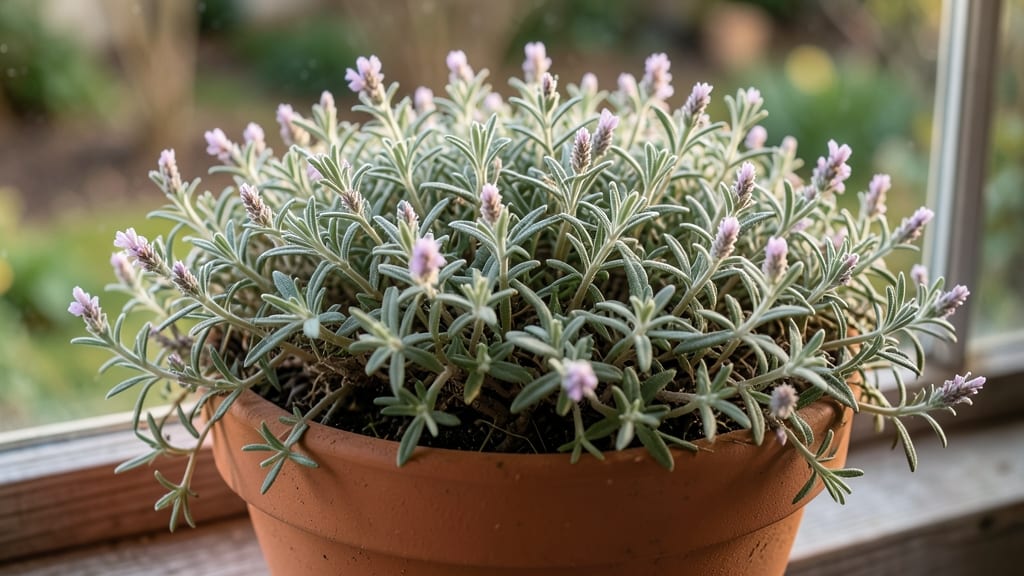
Growing fine leaf thyme means always having fresh, fragrant herbs at your fingertips—no grocery store needed. 🌿 This hardy little plant thrives on neglect, making it perfect for busy gardeners or first-timers. The key is understanding its simple needs: sunlight, well-draining soil, and occasional trimming to keep it bushy.
You’ll need just a few things to get started: a sunny spot (at least 6 hours of light daily), a container or garden bed with sandy, gritty soil, and a pair of pruners. Fine leaf thyme loves dry conditions, so overwatering is its biggest enemy—think Mediterranean summers, not rainforest humidity.
Once established, this plant rewards you with a steady supply of aromatic leaves for cooking or garnishes. Pinch back the tips regularly to encourage dense growth, and you’ll have a thriving plant that lasts for years with minimal effort.
It’s also easy to propagate—just snip a stem, root it in soil, and you’ve got a new plant. Perfect for sharing with friends or expanding your herb collection without spending a dime.
📚 In This Guide
- What you need
- Instructions
- Tips and common mistakes
- Wrapping up and next steps
What you need
- ● Fine leaf thyme plants (1-3 plants per container or 12-18" spacing in garden beds)
- ● Well-draining potting mix (6-8" deep containers or garden soil amended with perlite/sand for outdoor planting)
- ● Containers or garden bed (if not planting in-ground; ensure pots have drainage holes)
- ● Sunlight access (6+ hours of full sun daily)
- ● Watering can or hose with gentle spray nozzle
- ● Organic fertilizer (balanced 10-10-10 or low-nitrogen option like 5-5-5)
- ● Pruning shears (for harvesting and shaping)
- ● Gloves (to protect hands from prickly stems)
- ● Mulch (straw or gravel to retain moisture and suppress weeds)
- ● pH testing kit (ideal soil pH: 6.0-7.0)
- ● Drip irrigation system (for consistent moisture in dry climates)
- ● Skip the heavy hand! Fine leaf thyme thrives in drought-like conditions—overwatering is its kryptonite. 🌡️
- ● For container growing, mix in 10-20% coarse sand to boost drainage.
- ● If starting from seeds, pre-soak them for 24 hours to speed up germination.
Step-by-Step instructions for growing fine leaf thyme
Here's how to grow fragrant, healthy thyme that thrives year-round with just a few simple steps.
🌱 Step 1: Choose and Prepare the Perfect Spot
Thyme loves full sun—at least 6 hours daily—but tolerates partial shade if you live in a hot climate. I plant mine in a south-facing window> or on a sunny patio. The soil should drain well because thyme hates soggy roots. Amend heavy soil with coarse sand or perlite to improve drainage.
If planting in containers, pick pots with drainage holes. A 6-inch diameter> pot works for one plant, but thyme spreads nicely, so a slightly larger container keeps it lush. Fill the pot with well-draining potting mix>—never garden soil, which compacts and suffocates roots.
🌿 Step 2: Plant and Water Gently
Dig a hole just deep enough to cover the root ball of your thyme plant. Space multiple plants 12-18 inches apart> to allow airflow and prevent disease. Gently firm the soil around the roots to eliminate air pockets, but don’t pack it down too tightly.
Water deeply right after planting to settle the soil, but resist the urge to overwater. Thyme is drought-tolerant once established, so let the top 1-2 inches of soil dry out> between waterings. You’ll know it’s thirsty when the leaves start to droop slightly—just give it a drink, and it perks right back up.
☀️ Step 3: Maintain with Minimal Effort
Thyme thrives on neglect, but it does need regular pruning> to stay bushy and fragrant. Snip back the tips after flowering to encourage new growth. I cut mine back by about one-third> in early spring and again after harvest to keep it compact and prevent woody stems.
Fertilize lightly once a year in early spring with a balanced, slow-release fertilizer> (like 10-10-10). Too much nitrogen makes thyme grow fast but loses its flavor. If you notice yellowing leaves, that’s your cue to cut back on fertilizer—thyme prefers lean soil.
✂️ Step 4: Harvest and Preserve for Year-Round Use
Harvest thyme just before it flowers for the strongest flavor. Pinch off sprigs with your fingers or use clean scissors. Start harvesting in late spring and continue through early fall. You can harvest up to one-third of the plant> at a time without harming it.
To dry thyme, bundle fresh sprigs and hang them upside down in a warm, dry place for 1-2 weeks>. Once brittle, strip the leaves and store them in an airtight jar. For fresh thyme in winter, grow it indoors near a sunny window or under a grow light—it’ll keep producing fragrant leaves all year.
Tips & tricks for perfect fine leaf thyme growth
Here's what nobody tells you—these simple tricks ensure your thyme stays fragrant and healthy without fuss.
Location Matters: While thyme tolerates partial shade, the 6 hours of full sun mentioned in Step 1 is non-negotiable for maximum fragrance. Place your container on a sunny windowsill or balcony where it gets direct light for at least half the day. If your space is shady, supplement with a grow light for 4-6 hours daily—thyme won't thrive without enough light, no matter how well you water it.
The Container Game-Changer: That 6-inch diameter pot recommendation is perfect for one plant, but here's the secret: thyme spreads! If you want a bushier plant, choose a container that's 2-3 inches wider than the plant's current size. Just make sure it still has drainage holes—thyme roots rot quickly in soggy soil. I've seen people use terracotta pots, which wick away moisture, or even repurposed colanders with holes drilled in the bottom.
Watering Wisdom: The "let top 1-2 inches dry out" rule is spot-on, but here's how to put it into practice: stick your finger about an inch deep into the soil. If it feels dry, water thoroughly until it drains from the bottom. If it's still damp, wait another day. Overwatering is the #1 reason thyme plants fail—it's much better to underwater slightly than drown the roots. I use a spray bottle for my indoor plants to keep the soil evenly moist without oversaturating.
Pruning Payoff: When you cut back thyme by about one-third in Step 3, focus on removing the leggy stems and any woody growth. This encourages fresh, fragrant new growth. I prune mine just above a set of leaves where new shoots will emerge. And here's a bonus tip: save those pruned sprigs! Tuck them into your cooking or dry them for later—you're not wasting anything when you prune thyme.
Pro Tips for Fine Leaf Thyme Plant
- Here's what nobody tells you—these simple tricks ensure your thyme stays fragrant and healthy without fuss.
- Location Matters: While thyme tolerates partial shade, the 6 hours of full sun mentioned in Step 1 is non-negotiable for maximum fragrance.
- The Container Game-Changer: That 6-inch diameter pot recommendation is perfect for one plant, but here's the secret: thyme spreads!
Frequently asked questions
Got questions about growing and caring for your fine leaf thyme plant? You’re in the right place! Here are answers to the most common queries—because even low-maintenance plants deserve a little guidance.
How often should I water my fine leaf thyme plant?
Water your thyme sparingly—about once a week during dry spells (less in winter). Overwatering is the #1 killer! Stick your finger 1 inch into the soil; if it’s dry, it’s time to water. Drought-tolerant once established, thyme thrives on neglect.
When is the best time to harvest fine leaf thyme?
Harvest thyme just before flowering (spring to early summer) for peak flavor. Snip stems with scissors, leaving at least 2 inches of growth. For year-round harvests, prune lightly after blooming to encourage regrowth. Avoid heavy harvesting in winter—let the plant rest!
What pests or diseases should I watch for in fine leaf thyme?
Thyme is resilient, but watch for spider mites (tiny webs on leaves) or whiteflies (tiny flying insects). Treat with neem oil or insecticidal soap if needed. Fungal issues like powdery mildew can occur in humid conditions—improve airflow and avoid overhead watering.
Can I grow fine leaf thyme indoors? What’s the best setup?
Yes! Place thyme near a sunny window (6+ hours of light daily) or under grow lights. Use a well-draining pot with a mix of potting soil and sand. Keep humidity low (thyme hates soggy roots) and fertilize lightly in spring. Rotate the pot occasionally for even growth.
What’s a good alternative if my thyme plant isn’t thriving?
If your thyme struggles with your climate, try oregano (similar flavor, slightly hardier) or marjoram (milder taste, more frost-tolerant). Both love full sun and dry soil. For a fragrant but low-maintenance swap, consider lavender—it’s drought-resistant and pest-repellent!
Wrapping up and next steps
Growing a fine leaf thyme plant is a rewarding journey—it’s low-maintenance, aromatic, and endlessly versatile in the kitchen or garden. Whether you’re a seasoned gardener or a beginner, its resilience and year-round fragrance make it a perfect addition to your green space.
Now that you’re armed with the right tips, why not start your own patch today?
- 🌱 Next step: Pick your favorite variety, gather your supplies, and plant within the next few weeks for a thriving harvest by spring!